














As artificial intelligence reshapes workplaces, Indian professionals are increasingly turning to human collaboration to stay productive. The Randstad Workmonitor 2026 India report found that 85% of Indian talent rely on colleagues from different age groups to broaden their professional perspectives.
India also continues to show strong confidence in economic growth. All employers surveyed in India said they were confident about business growth in the coming year, while 79% of professionals expressed confidence in their organisations’ future, compared with the global average of 51%.
AI optimism grows across workplaces
Artificial intelligence is increasingly viewed as a productivity driver across Indian workplaces. The report notes that 89% of Indian professionals believe AI improves their productivity, while 60% of employers share the same view.
Digital readiness also appears strong across the workforce, with 86% of professionals saying they feel confident using the latest technology. Meanwhile, 55% of employers estimate AI could affect 50–100% of daily workplace tasks, highlighting the growing role of automation in organisational workflows.
Trust and collaboration shaping workplace culture
The report also highlights the role of workplace relationships in productivity and engagement. According to the findings, 89% of professionals trust their organisation’s leadership, while 88% trust their colleagues, reinforcing the importance of trust in workplace culture.
At the same time, 87% of professionals said they feel more productive when diverse viewpoints are incorporated into workflows, and an equal proportion reported having strong relationships with their managers.
However, the rise of hybrid and remote work has introduced new challenges. Around 85% of employers said hybrid and remote arrangements have made collaboration more difficult, pointing to the need for stronger engagement strategies.
Career expectations evolving
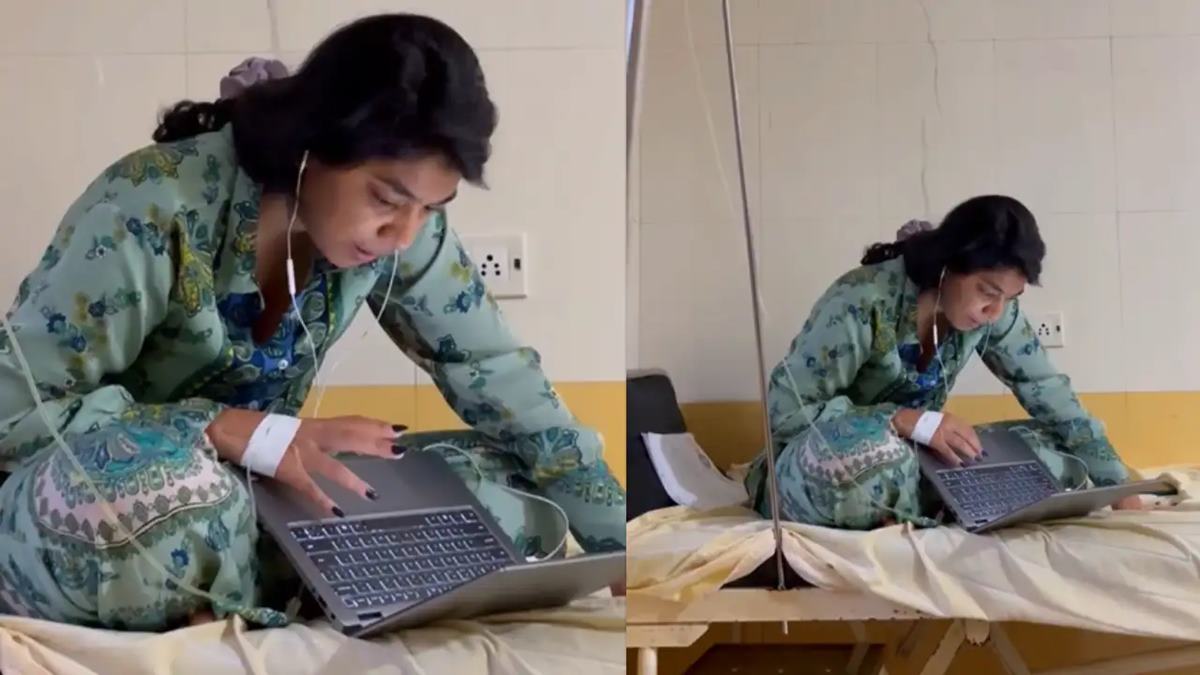
Economic pressures and changing expectations are also shaping workforce behaviour. The report states that 58% of Indian professionals have taken or are considering a second job to manage rising living costs, compared with the global average of 40%.
While 81% of professionals say pay attracts them to a job, 57% stay in their roles primarily for work-life balance, compared with 15% citing pay and 14% citing job security.
Career paths are also evolving. While 67% prefer a traditional linear career path, 55% say they want a portfolio career that allows them to switch sectors and jobs during their careers.
Flexibility is emerging as another key expectation, with 58% of professionals saying they would not accept a job without flexibility in work location and working hours.
Human connections remain central to productivity
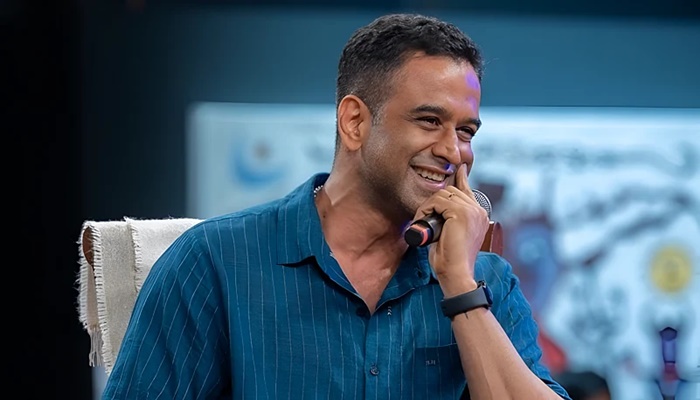
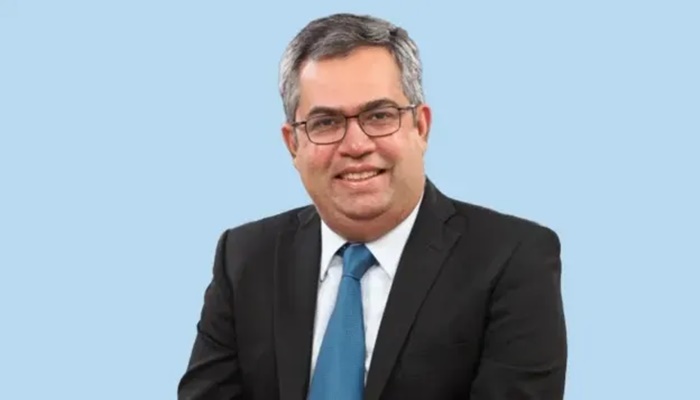
Commenting on the findings, Viswanath PS, Managing Director and Chief Executive Officer, Randstad India, said the report shows productivity in India is increasingly shaped by people and workplace relationships.
“The 2026 Workmonitor findings signal a defining moment for India Inc., where the narrative of productivity is shifting from purely technological adoption to a profound reliance on human capital,” he said.
He added that while India leads globally in optimism around AI and digital confidence, “technology is an enabler, but human connection is the engine.”
According to him, organisations that succeed will be those that build high-trust environments, strong manager-employee relationships and cultures that support flexibility and independence.