












Gen Z is thriving on the mantra: The 9-to-5 pays the bills, the side hustle pays the vibes. Once, a job used to be a dream. The corporate pay cheques and appraisals were equal to stability.
But Gen Z is redefining that and choosing instability for themselves.
The 9–5 is being repurposed to fund side hustles, micro businesses, and more flexible ambitions, signalling a shift toward control, ownership, and a career built on their own terms.
WHY GEN Z IS MOVING AWAY FROM 9–5 MINDSET
Gen Z sees corporate jobs as a stepping stone to build independent, self-driven careers and not the destination. It is no longer their final goal but just a part of it.
The study also states that they are shifting toward an entrepreneurial mindset, focused on building something of their own. Independence and ownership now matter more than long-term stability.
Gen Z doesn’t feel obligated to stay in a job that does not fulfil their goal or causes any inconvenience to their personal life.
Gen z no longer feels attracted to the titles, promotions and office cabins. They have grown to accept the reality of the limitation of hierarchies, slow growth and lack of control.
Switching roles, industries or paths is viewed as normal instead of some gambling. Layoffs and an unstable market have weakened the trust in secure jobs.
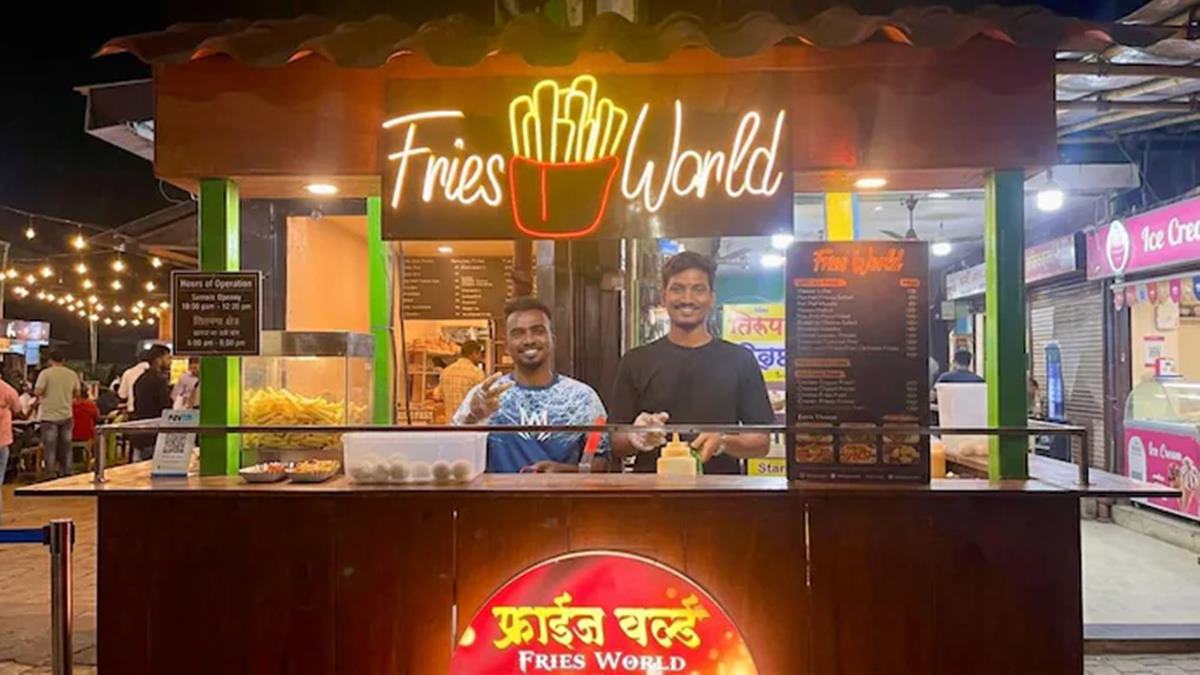
Swapnil Shivaji Chaudhari, 26, who runs a street food business, Fries World, as a side hustle, says, “My job was the essential bridge to start this venture, using my corporate savings as an initial investment.”
He adds, “I plan to leave once it’s fully established in the next three to four months, as I’ve never had a 9-to-5 mindset and believe corporate life lacks true, long-term security in an MNC environment. You can be let go at any time, whereas a business is something you own and can personally protect.”
RISE OF MICRO BUSINESS AMONG GEN Z
A 2026 Randstad Workmonitor India survey finds side hustles and second jobs are on the rise, as employees seek financial security and flexibility. India is becoming one of the world’s most active side-hustle markets.
As an escapism, Gen Z is using Micro Business and side hustles, content creation, freelance or small startups, to work with absolute freedom and creativity.
They look at this as their final goal, their trail to success and being rich. Gen Z are experimental and spontaneous. Therefore, they are often comfortable with the idea of trying new things, failing fast and switching directions.
Unlike traditional business, a micro business needs a small investment. Therefore, failure is not equal to huge loss. It allows trials without a huge financial or reputational risk.
Micro business makes starting a business no longer feel out of reach. Unlike fixed salaries, micro businesses offer the possibility to scale earnings on their own terms.
Side hustles can start small and run alongside a job, which means no need for all-in commitment, just a gen Z thing.
“It’s more of a long-term itch than a need. I’ve always wanted to start something of my own, especially a food business. Plus, I needed an outlet to channel ideas that don’t always fit into a typical corporate setting,” says Aksharan Ganesha, 25, whose side hustle job is running a cafe called Amma Canteen.
“It gives me ownership and creative freedom, where I get to build, experiment, and express myself,” he adds.
WHY MORE GEN Z ARE TURNING TO MICRO BUSINESS
Gen Z perceives side hustle as having the ability to make choices. Stability is no longer tied to fixed pay cheques, having multiple incomes feels safer than relying on a single employer.
Gen Z is choosing flexibility over stability. They value control over – when, where and how, more than predictable monthly income.
For them, freelancing, micro-business and side hustle means less dependency on company structures. Appraisals or fixed hierarchies. They are okay with inconsistency today if it helps build something scalable in the future.
A side hustle gives them control. It’s about working more on their own terms, even if it can get intense at times.
Gen Z believes it teaches them more skills than a job ever can. Corporate roles can feel restrictive while a small side business allows experimentation, creativity and individuality.
According to a 2025 report on ‘Gen Z Entrepreneurship on Social Media: Pathways to Business Creation,’ a good number of Gen Z’s think that side business helps them gain more practical and real-world experience. They are more likely to grasp on client handling, pricing and market demand than through their jobs.
Areya Verma, a 25-year-old illustrator and designer, who works as a freelancer as a side job, says, “Besides the job, freelancing satisfies my passion, gives me exposure, money, of course, I can choose my projects, interact with clients worldwide, and have full freedom to lead the project.”
“Basically, I am my own boss. It’s fun even if I am burned out sometimes, whereas my job gets monotonous,” she adds.
But Gen Z is not blindsided by the burnout that this brings along. They may find this exhausting, but it feels more “worth it” as it comes from self-driven work than imposed structure.
Having a side business lights up empowerment within them making money with their own idea builds confidence and beliefs in their abilities.
Aside from hustle, it doesn’t just give Gen Z extra income, it gives them a sense of control, identity and possibility that traditional jobs often fail to provide. There may be pressure to keep growing, meaning and staying relevant, but it also brings along a sense of excitement.
Gen Z today are ready to trade off stability and liquid money for their freedom and independence. Gen Z isn’t rejecting work, rather, they are redefining it.
For them, jobs are just tools, but micro businesses are opportunities which often outweigh stability.
In choosing control over predictability, they’re not just changing how they earn, but reshaping what a career looks like altogether.