

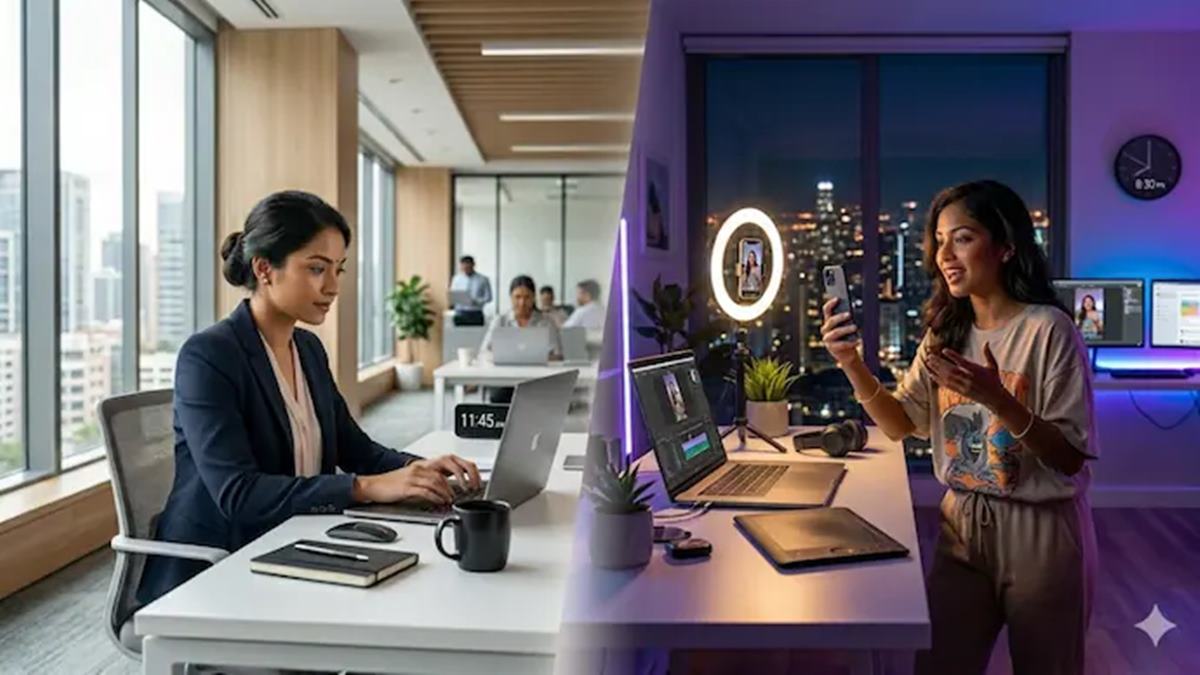













India’s workplace landscape is gearing up for a major transformation driven by flexibility, sustainability and rising investment in high-quality office environments, according to Colliers’ latest 2026 Asia Pacific Workplace Insights report. The study, based on feedback from more than 800 corporate occupiers across the Asia Pacific region, notes that hybrid work, technology adoption, inclusive strategies and employee-first design will be central to how organisations shape spaces next year.
India stands ahead of regional counterparts in prioritising sustainability and inclusivity, particularly for multi-generational workforces, the report says. Nearly 44 per cent of Indian respondents already factor generational needs into workspace strategies, the highest in APAC.
Flex Work Strengthens as India Embraces Hybrid
India’s rapid shift toward hybrid operating models has brought flexible workspace formats to the forefront. “Flexibility remains central to workplace strategy as flex spaces rise, balancing agility and cost efficiency,” said Arpit Mehrotra, Managing Director, Office Services, India, Colliers.
These flexible models are helping companies balance return-to-office mandates with evolving talent expectations. Flex spaces are expected to account for nearly 20 per cent of Grade A demand over the next few years, noted Vimal Nadar, National Director & Head of Research, Colliers India.
Flight-to-Quality and Sustainable Workplaces
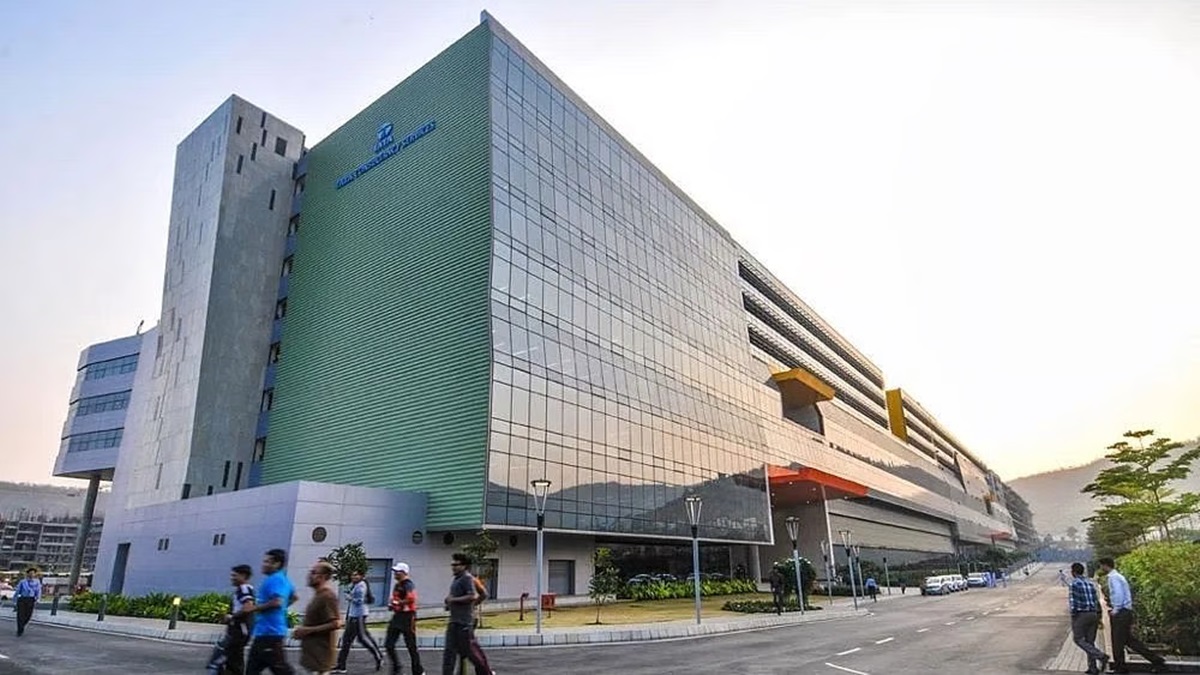
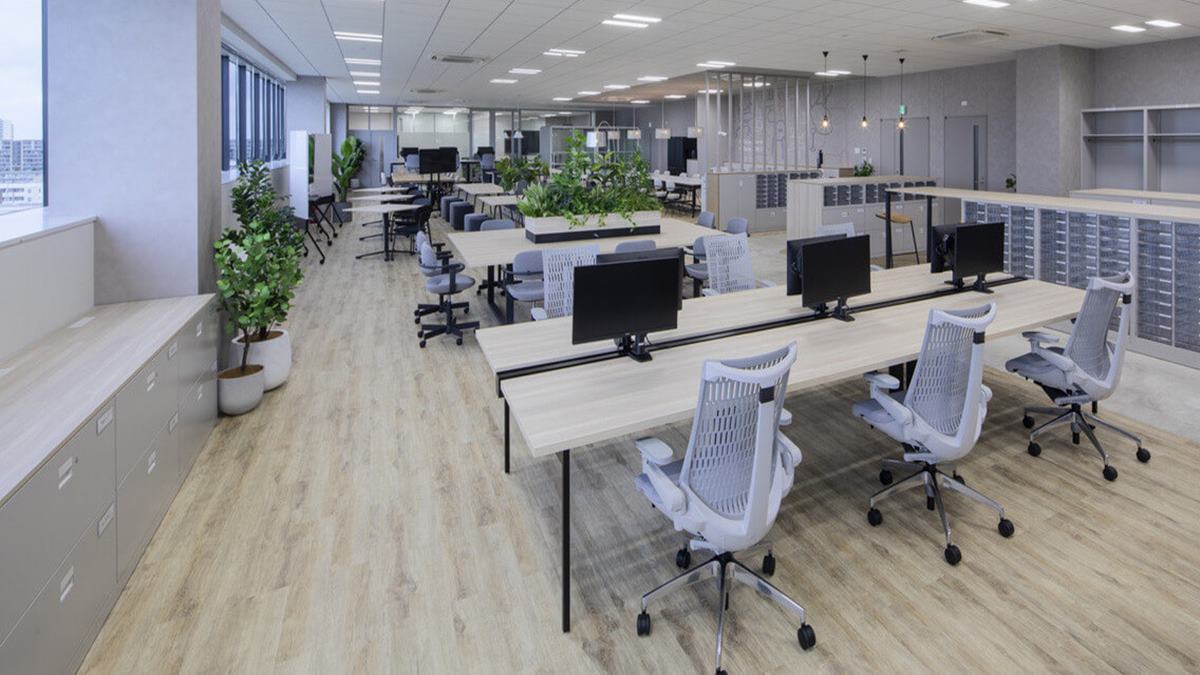
Demand for Grade A office space remains robust, with total absorption across India’s top seven cities projected to reach 70 million sq ft in 2025. Developers are responding with modern workplaces featuring ESG-compliant design, collaboration areas, and tech-enabled infrastructure.
More than 80 per cent of upcoming Grade A supply is expected to be green-certified, underscoring a sector-wide shift toward environmentally conscious growth. Almost two-thirds of Indian occupiers are partnering with landlords on sustainability initiatives, with India ranking just behind Australia and Singapore in APAC. “While certifications are becoming a norm, broader ESG delivery remains a key monitorable,” added Mehrotra.
Inclusivity Gains Momentum
APAC’s workforce is becoming increasingly age diverse, with five generations expected to work alongside each other by 2030. India leads the region, with 44 per cent of corporates actively considering generational needs in workplace planning, against the APAC average of 15 per cent.
Human-Centric Workspaces
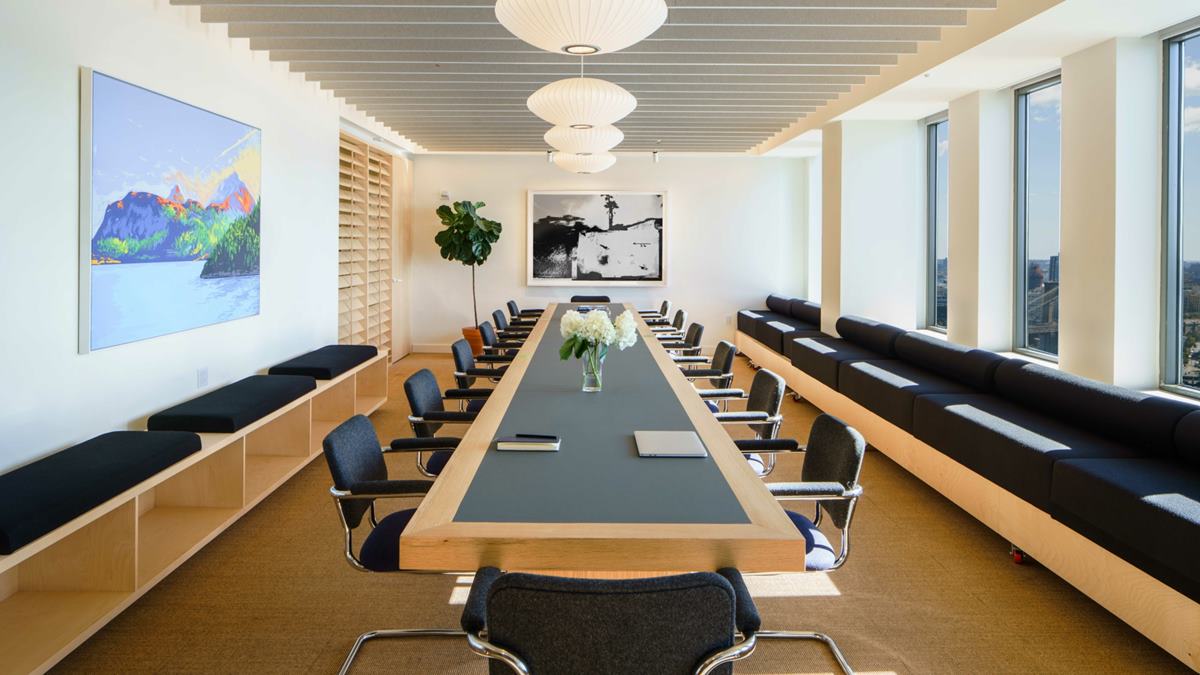
Employee experience is now a defining priority. Nearly half of surveyed organisations are investing in workspace quality, driven by demand for better wellbeing amenities, collaborative zones and accessible technology. The top three reasons drawing employees back to the office include Social interaction and team connection (27 per cent), Workspace quality (18 per cent) and Access to wellbeing features. Meanwhile, leadership plays a decisive role, with 48 per cent of respondents stating that C-suite and senior managers drive workplace strategy.
Technology, AI to Accelerate Transformation
Workplace technology—particularly AI—will play a pivotal role in shaping efficiencies. About 20 per cent of organisations currently use AI to enhance employee experience, including occupancy analytics, workspace usage tracking and facilities optimisation. While 47 per cent of APAC firms have adopted hybrid models, traditional workplace structures remain entrenched. Most still maintain attendance mandates and assign fixed seating, highlighting a gradual rather than radical evolution of workplace policy.
“The workplaces of today, and tomorrow, are about how space drives performance and experience,” said Mike Davis, Managing Director, Occupier Services, APAC, Colliers. “The leaders will be those who turn ambition into action.” The report underscores that employers willing to align workplace design, employee needs and ESG goals will gain a competitive advantage. With India at the forefront of inclusivity, sustainability and Grade A expansion, the country is positioned to shape APAC’s next phase of workplace innovation.