

















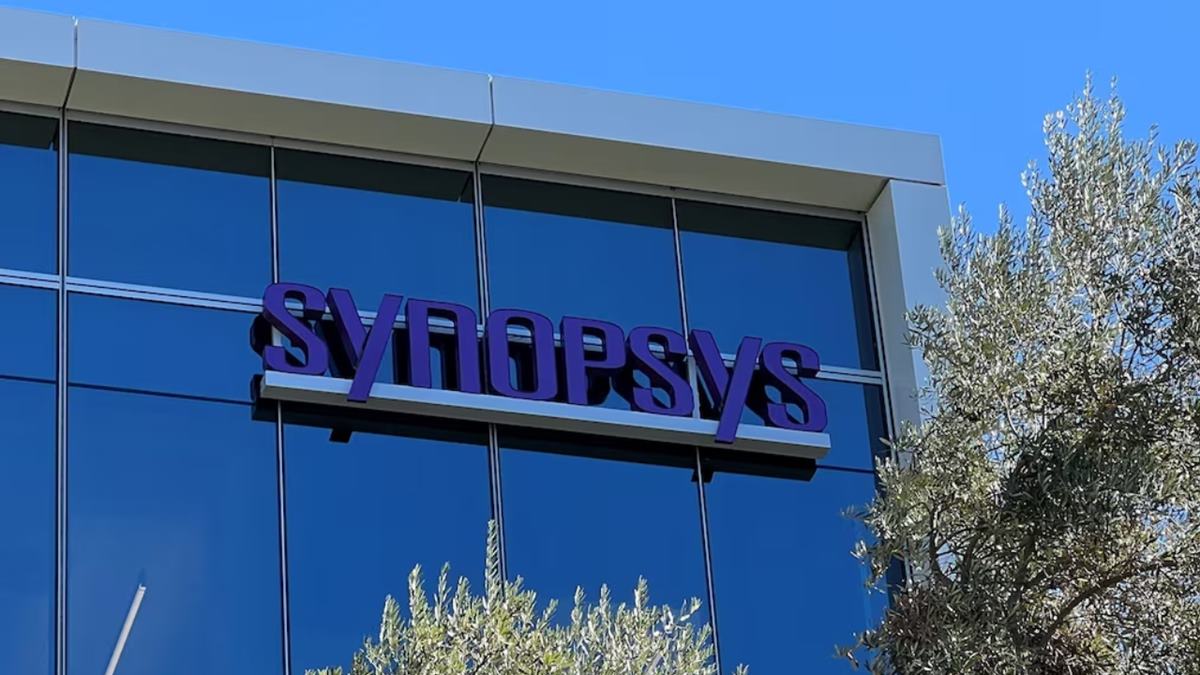
Synopsys plans to cut around 10% of its global workforce, or roughly 2,000 employees, as the chip-design software company moves to streamline operations following the completion of its $35 billion takeover of Ansys. The layoffs were disclosed in a regulatory filing on Wednesday, Reuters reported.
The California-based firm said the job cuts will allow it to redirect investment towards higher-growth areas, particularly as it integrates the newly acquired engineering design specialist. The restructuring will also involve some site closures and organisational changes to consolidate overlapping functions.
Synopsys expects to record pre-tax charges of between $300 million and $350 million to cover severance, one-time termination benefits, and other associated costs. The majority of workforce reductions are expected to take place in fiscal 2026, with the restructuring substantially completed by the end of fiscal 2027, according to the filing.
The decision follows a disappointing third-quarter performance in September, when the company missed revenue forecasts. Analysts said the integration of Ansys—finalised earlier this year in a cash-and-stock transaction—adds significant scale but also raises cost pressures in a market facing softer demand.
Synopsys develops software and hardware tools used to design advanced semiconductors for major technology companies including Nvidia, Intel, and Qualcomm. However, the company has been affected by a slowdown in China, where tighter U.S. export restrictions have disrupted design activity and dampened sales at key customers.
The planned layoffs place Synopsys among a growing list of technology companies making sharp headcount reductions in 2025. Global outplacement firm Challenger, Gray & Christmas recently reported that U.S.-based employers cut more than 150,000 jobs in October, the highest number for that month in over two decades.
Synopsys’s move reflects a broader recalibration across the semiconductor design ecosystem, as firms balance near-term cost control with long-term bets on artificial intelligence and next-generation chip architectures. The company’s restructuring, once completed, is expected to create a leaner operating model ahead of what it sees as its next phase of growth.