







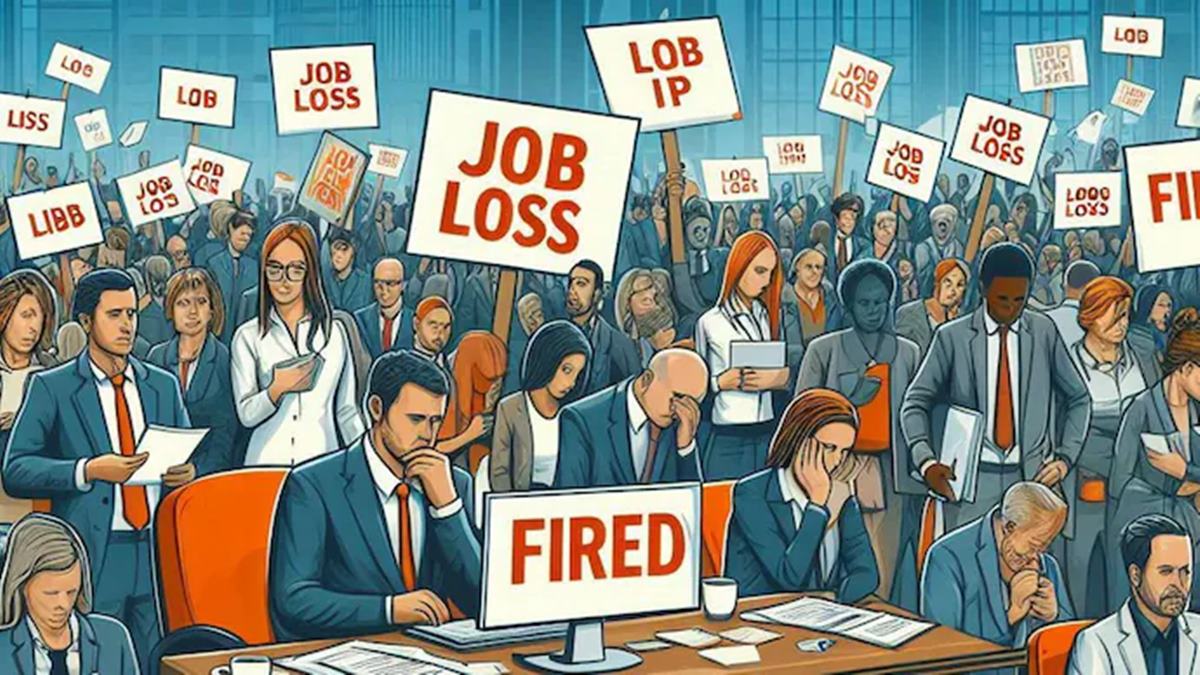










HP has announced it will reduce its global workforce by between 4,000 and 6,000 employees, a cut of up to 10 percent, as part of a long-term restructuring plan stretching to fiscal 2028. The job cuts come alongside weaker-than-expected guidance for the new fiscal year and rising costs driven by US trade regulations and soaring memory prices.
The company reported a 4 percent rise in quarterly revenue to $14.65 billion, with net income growing modestly to $795 million. But its outlook disappointed Wall Street. For fiscal 2026, HP expects adjusted earnings between Rs 2.90 and Rs 3.20 per share, below the market’s Rs 3.33 estimate. The pressure, HP said, comes partly from new trade rules that are increasing operating costs.
HP’s personal systems division, which includes its PC business, grew 8 percent year on year to $10.35 billion, beating expectations. But the printing segment dipped 4 percent to $4.3 billion as customers delayed upgrades in a competitive pricing environment.
The restructuring is expected to save at least $1 billion annually by the end of fiscal 2028. HP will incur around $650 million in charges, with Rs 250 million of that hitting in fiscal 2026. The company last undertook a similar headcount reduction in 2022.
CEO Enrique Lores emphasised that AI remains a priority, saying the company sees a major opportunity to embed AI across HP’s products and workflows. Rising component costs, however, are squeezing margins. Memory alone now accounts for up to 18 percent of a typical PC’s cost, escalating faster than expected in recent weeks.
Lores said HP should benefit from Microsoft’s retirement of Windows 10, which is expected to prompt more users to upgrade hardware. Roughly 60 percent of HP’s installed base has transitioned to Windows 11 so far.
HP shares are down 25 percent this year, sharply underperforming the S&P 500, which is up 15 percent.