
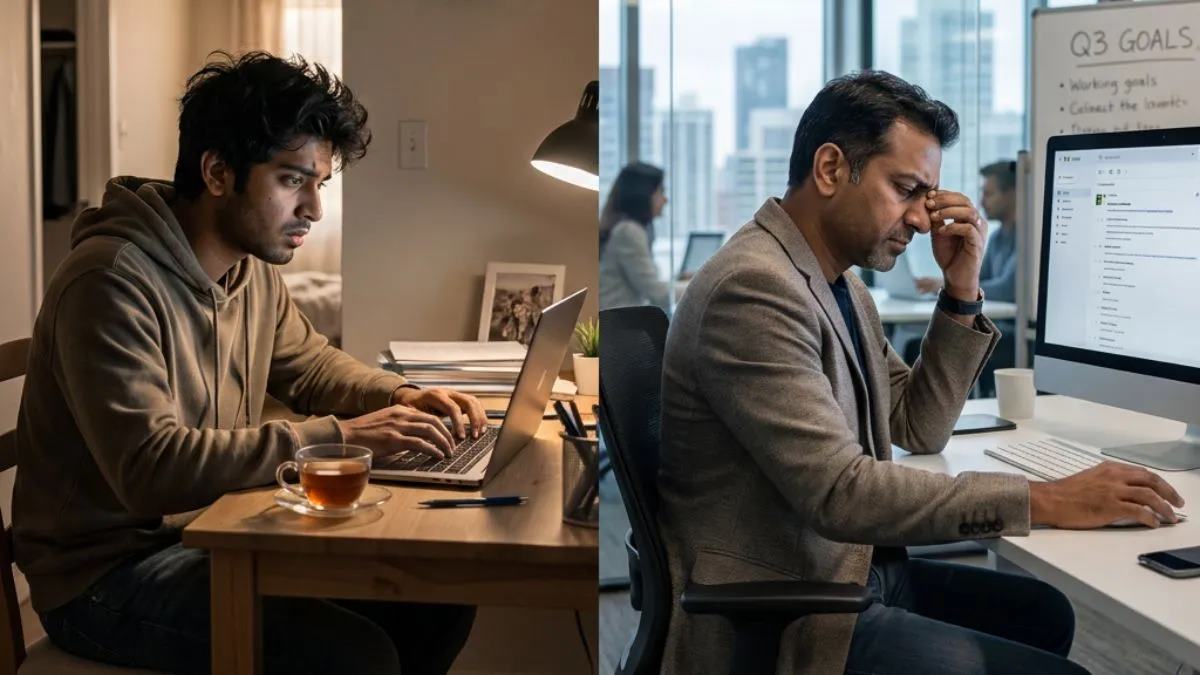


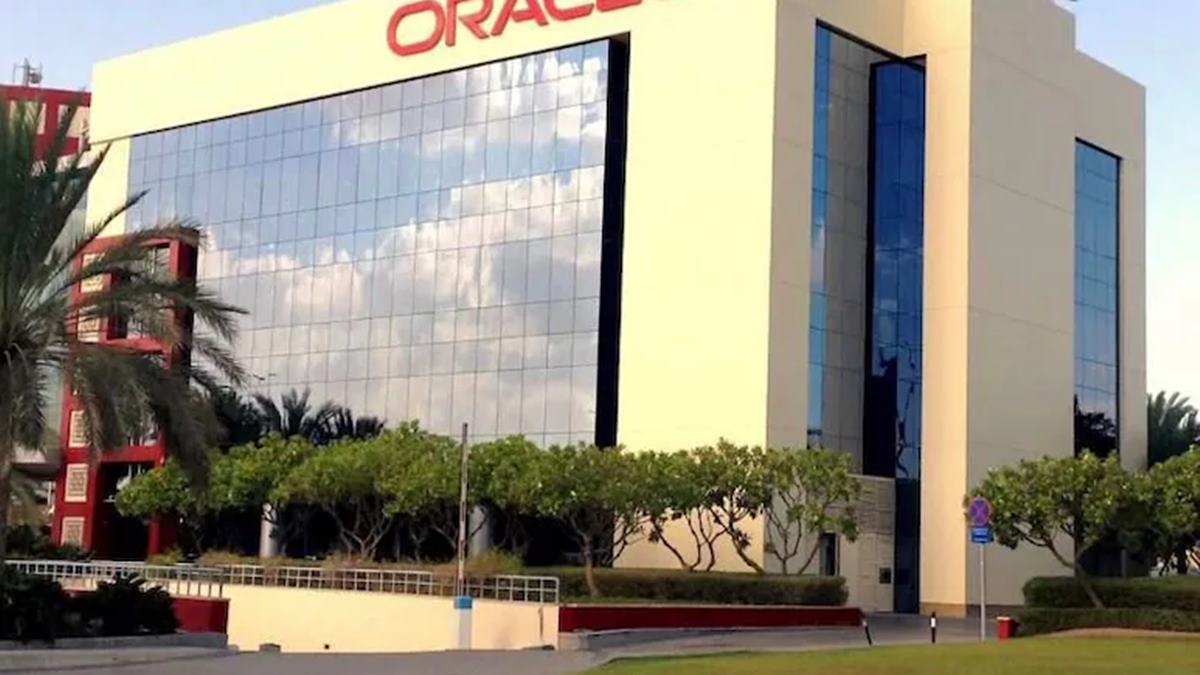







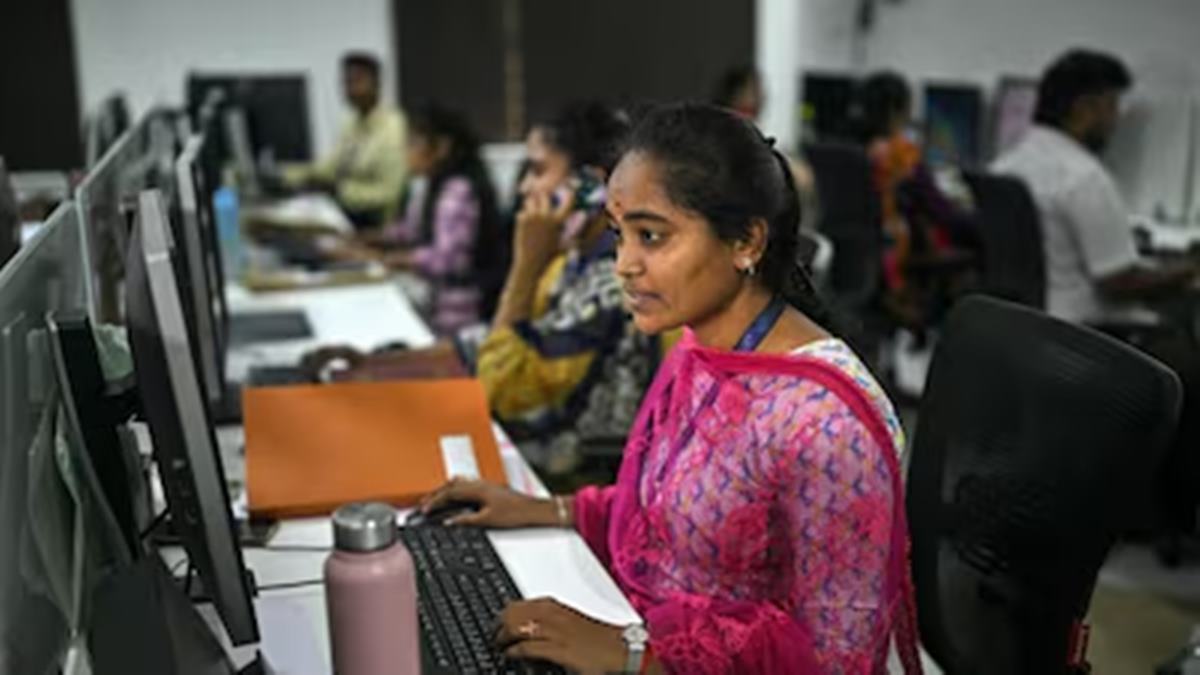
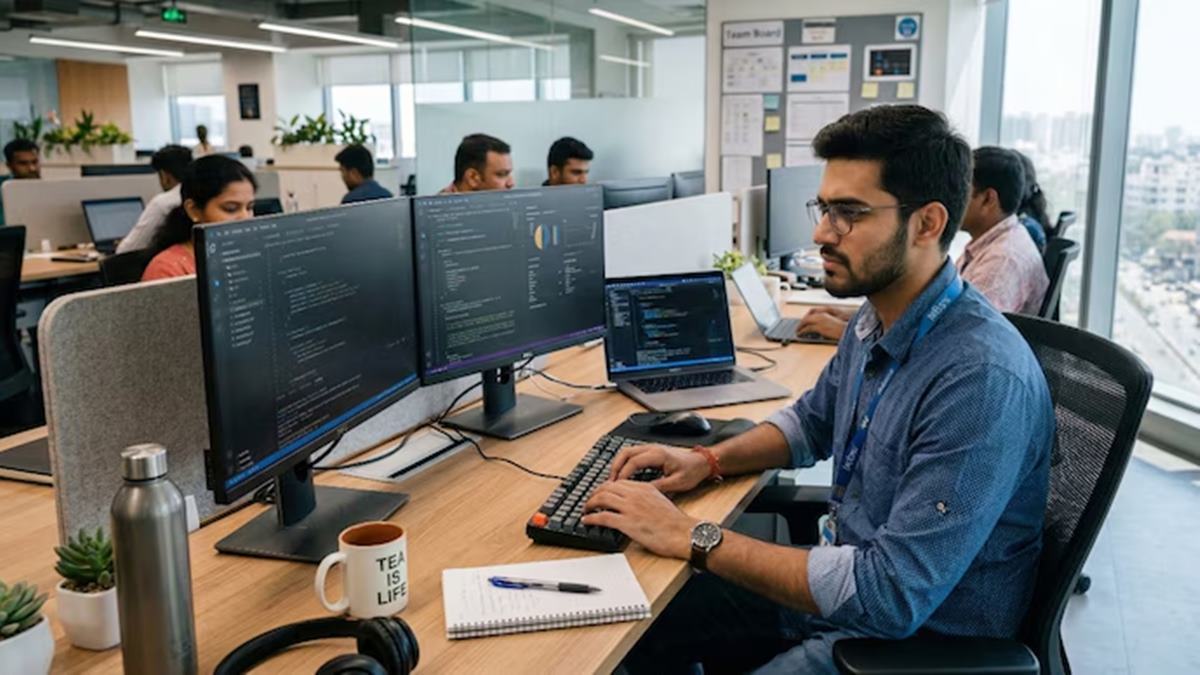


Across India, from Google’s sunlit tech campuses to Deloitte’s polished consulting offices, a new visual aesthetic of work is appearing on social feeds. Office interiors, once visible only through PR materials and corporate videos, are now in the public eye. Employees sharing real workplace moments have become an influential part of brand storytelling.
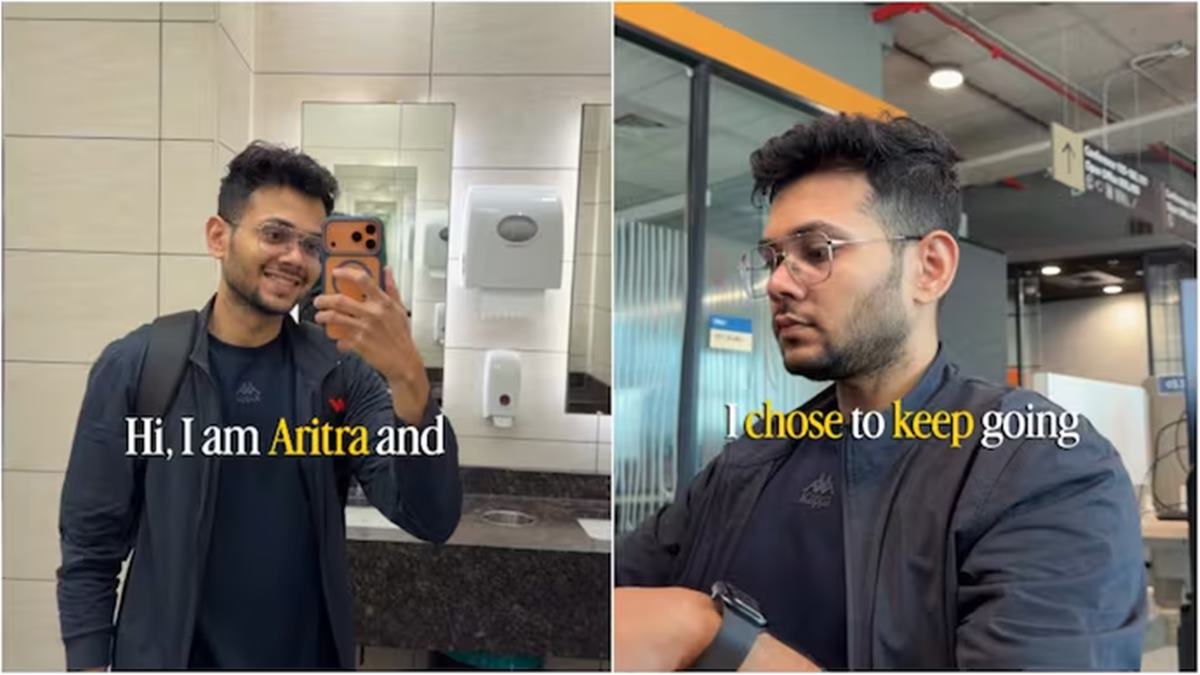
Google India’s “Day at Google Office” trend, where micro-influencers and interns shared short videos of game zones, cafeterias, quiet pods, and brainstorming lounges, became an unofficial employer-branding initiative that often outperformed paid campaigns. These were not advertisements but lifestyle glimpses inviting others to experience the workplace culture. Deloitte employees have followed a similar approach, posting “audit life” and “consulting day” self-recorded videos.
Nykaa’s social team frequently shares glimpses of its content room and product shelves, while Zomato riders post casual videos showing a day on the delivery route. Swiggy employees highlight behind-the-scenes moments, from call-centre operations to festival-day order surges. Agencies such as YAAP, Springworks, and Schbang post workplace culture content with a light, sitcom-like feel. In these campaigns, employees are not just staff, they become part of the brand story.
Diwali proved to be the most visible moment, with InfoEdge’s VIP trolley posts appearing widely on social feeds, though employee-driven content had been building for some time. InfoEdge employees shared videos carrying VIP suitcases filled with Yogabar products, creating user-generated content (UGC) that many brand managers value highly.
Brands such as Nykaa, Sephora, Dot & Key, and FAE Beauty have long encouraged employees to share product trials, candid opinions, and short desk-talk reviews. Swiggy and Zomato have repeatedly highlighted delivery executives as the face of their brands, allowing riders to share city-life experiences and interactions with customers.
Corporate offices have also embraced a “third-person inside” perspective, with interns, office administrators, HR associates, and pantry staff appearing on camera. This shift reflects changing audience expectations: people increasingly want to see the individuals behind a brand, not just its products. The most effective workplace content focuses less on logos and more on employees.
This Diwali season turned into a large-scale, organic marketing moment. Tata and Reliance hosted events where employees captured everything, from light installations and DJ sets to food counters and behind-the-scenes moments. Some companies added surprises such as consoles, cameras, accessories, and vouchers, generating reel-worthy reactions of delight. None of this was planned as an external campaign; it became a cultural moment, with employees voluntarily sharing authentic experiences.
Some brands, however, do not depend on employees being content creators; they focus on making products that are naturally share-worthy. Aditya Anand, Co-Founder of Yogabar, explains:
“One of the reasons why things like Yogabar go a bit more viral is because our designs tend to be nice, right? So when that happens, there’s a higher chance if your brand is cool people will post more about you.”
He emphasises that the brand’s packaging, colours and aesthetic act as the content catalyst. The company actively encourages sharing: friendly notes, requests to tag, small incentives. But even he rejects complete control. “There’s only so much engineering that you can do… it’s just nice to put things out there.” His philosophy is simple: a brand that looks good and feels good gets posted, not because employees are ordered to, but because they want to.
Priya Vivek, Co-Founder at Qoruz, sees this not as workplace theatrics but as a human-trust shift.
“Your employees are already talking about you. The question is what they’re saying.” She notes that the authenticity lies in unintended virality. InfoEdge didn’t ask for employees to post the VIP suitcase. They did it because they felt valued. “You can’t fake this. Employee advocacy doesn’t come from asking people to post about you. It comes from doing things worth posting about.”
She expands this internationally: from Lego designers on TikTok, to Delta engineers showing aircraft maintenance, to DHL couriers posting their routes. These aren’t pipeline-managed creators. “They’re real employees. Doing real work. And people trust them more than any paid influencer.” Her stance is clear: the best stories aren’t crafted – they’re witnessed.
Not everyone views this trend as a straightforward marketing tool. Kalyan Kumar, Co-Founder and CEO of KlugKlug, offers a candid perspective in a LinkedIn post:
“Somewhere along the way, a few brands convinced themselves that employees could double as creators. A charming thought. Very social media and PR-friendly. But a little out of sync with how the internet actually behaves.”
He reminds us that these posts are often deeply context-locked. Teammates, colleagues, and internal circles understand the energy, but does the wider audience? “There’s a gap between what feels exciting inside a company and what genuinely moves people outside it.” Kalyan argues that organic reach remains limited because these creators don’t have distribution power. “It doesn’t scale… employees have limited reach beyond their own circles.”
He adds that much of this content appears forced: not maliciously, but skill-wise. Most employees don’t have the craft of creators. “Even the standout pieces, the rap ad included, work because they’re novel. But novelty without distribution hits a ceiling fast.” His conclusion is pragmatic: employees are valuable ambassadors, but not enough to anchor a content strategy. “Are you building on a system or on luck?”
Indian brands are increasingly navigating the balance between internal voices and external influence. Google India is expected to continue collaborating with micro-influencers for office tours, while Nykaa will likely keep highlighting its in-house editorial team. Swiggy and Zomato may further empower on-ground staff to share delivery experiences. At the same time, marketing leaders are becoming more selective, identifying employees who naturally excel at storytelling.
The future may lie not in employee-generated content or influencer content alone, but in a blend, combining employee proximity with creative skill and reach. For now, Indian brands are finding that the most effective ambassadors for visibility may not be celebrities or influencers, but employees who already hold the ID card and access badge.