

















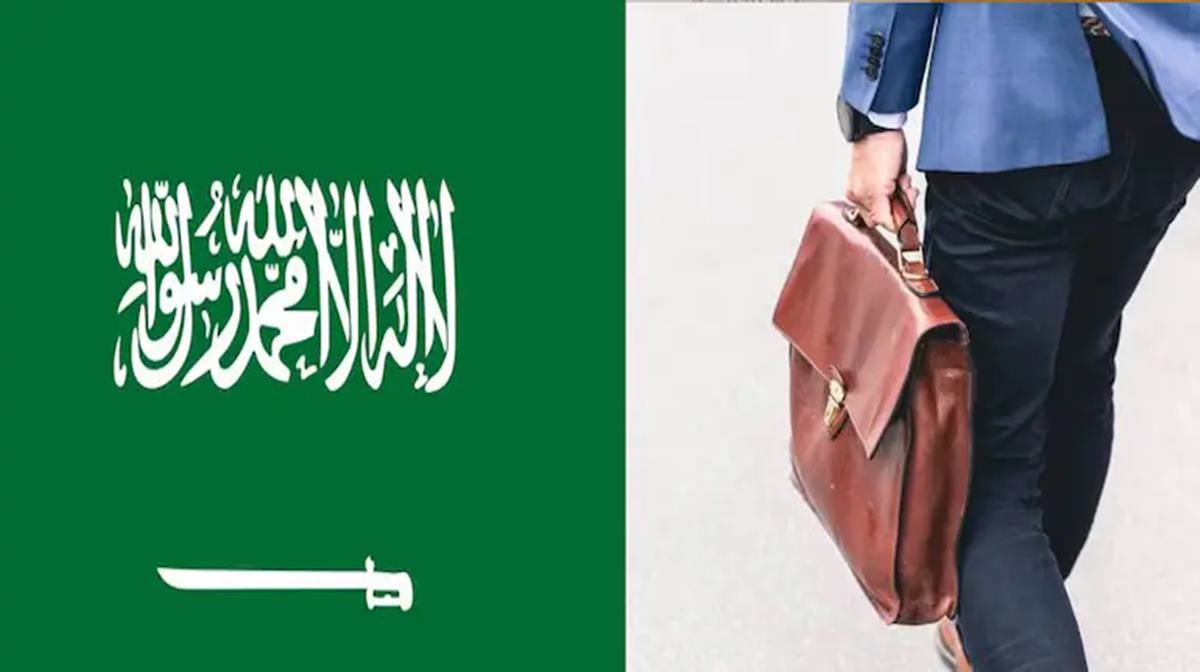
Saudi Arabia is moving to formally standardise how employees present themselves at work, with the Ministry of Human Resources and Social Development unveiling a draft Code of Appearance and Conduct for both public and private sector staff. The proposal is now open for public consultation and, if adopted, would apply nationwide across government bodies, private companies and non-profit organisations.
The aim of the draft is to strengthen professionalism, reinforce national identity and create a unified workplace image across all sectors of the economy. Unlike previous guidance, the rules go beyond general expectations and set out precise requirements for different groups of employees, covering attire, appearance and professional behaviour.
Dress rules for Saudi and expat men
One of the most clearly defined areas of the draft code is the distinction between Saudi and non-Saudi male employees. Under the proposed rules, Saudi men are required to wear the official national dress while at work. This typically consists of the traditional long white robe, known as the thawb, paired with a ghutra or shemagh headdress. The requirement is designed to ensure that national identity and heritage are visibly reflected in professional settings.
By contrast, non-Saudi male employees will be required to wear a formal suit. This removes any uncertainty around business-casual interpretations and imposes a consistent standard of formality for expatriate staff working across all sectors.
New modesty rules for female employees
The draft code also establishes uniform standards for women in the workplace, applicable to both Saudi and non-Saudi employees. All female staff must wear modest clothing that fully covers the body, with a specific requirement that garments must not be tight or transparent.
These rules extend beyond routine office duties and also apply when women appear at official functions, public events or in media settings connected to their professional roles. The intention is to uphold public decency while maintaining a consistent standard of professional appearance in all work-related environments.
Workplace behaviour rules
The proposed Code of Appearance and Conduct goes beyond clothing to regulate behaviour and personal presentation more broadly. Employees are expected to follow standards of good conduct, personal hygiene and dignified professional behaviour at all times.
The draft also prohibits the wearing of accessories or items that display political, ideological or otherwise offensive slogans, symbols or images. This is intended to keep workplaces politically neutral and free from material that could cause offence or division.
Employer duties and penalties
Employers are given a central role in enforcing the new standards. All private sector companies will be required to draft, display and implement a written internal dress code that aligns with the national regulations. Businesses that fail to introduce or properly enforce these standards could face financial penalties under Saudi labour law.
Historically, fines for violations of labour regulations — including those related to dress code enforcement — have reached up to SR 5,000 per establishment, signalling that non-compliance could carry real financial consequences.
Public consultation underway: What happens next?
The draft code is currently under public consultation, meaning its final form may still evolve based on feedback from employers, workers and the wider public. However, the overall direction is clear: Saudi Arabia is moving towards a more defined, standardised and nationally reflective professional image.
For both organisations and employees, the proposed changes will require practical adjustments in how workplace appearance and conduct are managed. As consultation continues, attention will now turn to how strictly the final rules will be enforced and how they will shape everyday office life across the Kingdom.