







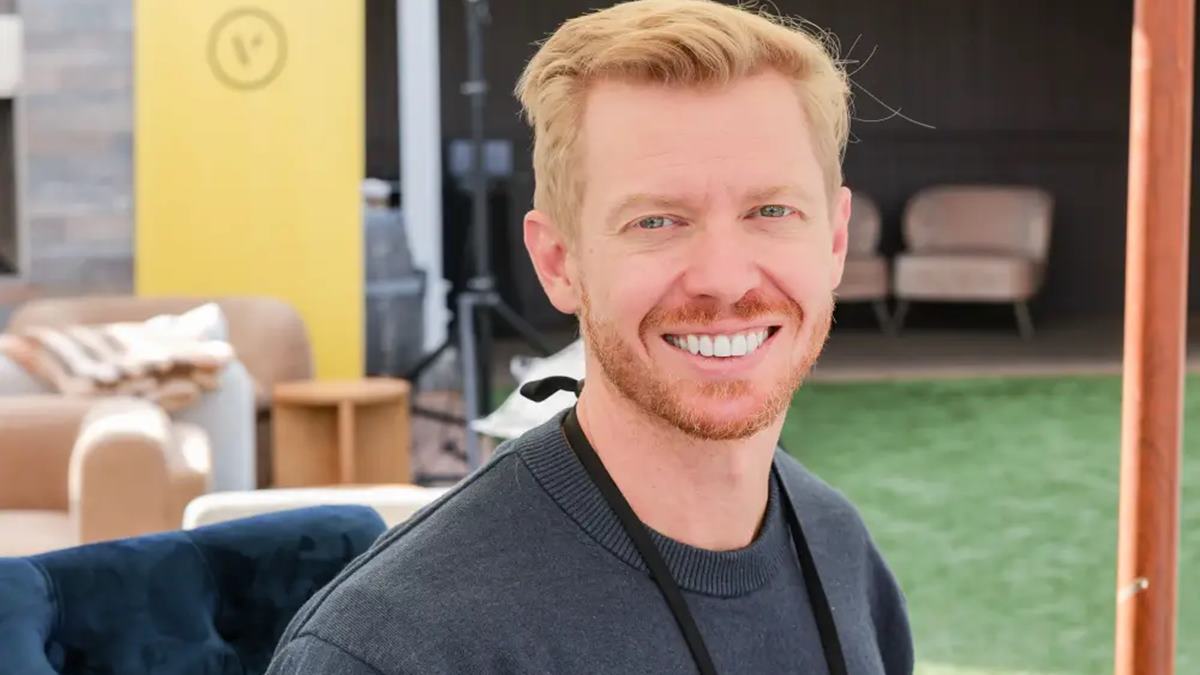

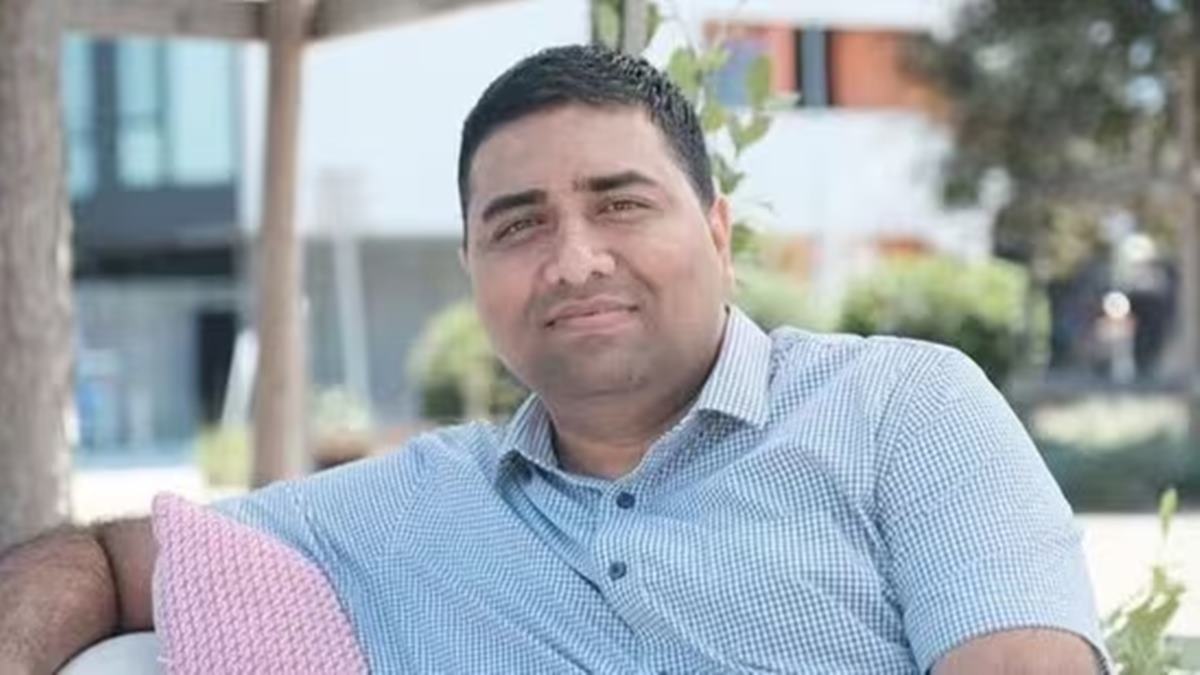
Apple’s newest hire, Amar Subramanya, is suddenly at the centre of one of the most challenging chapters in the company’s modern history. With Apple under intense pressure to fix its struggling AI efforts, the Indian-origin engineer has been brought in to steady the ship and rebuild confidence in the company’s long-term intelligence strategy.
A high-stakes hire at a critical moment
Apple confirmed that Amar Subramanya will take over as Vice President of AI after John Giannandrea announced his retirement. Subramanya arrives after a brief stint at Microsoft’s newly created AI division, where he served as Corporate Vice President of AI. Before this, he spent a remarkable 16 years at Google, rising from Staff Research Scientist to Vice President of Engineering.
His resume carries weight. Subramanya was credited in key papers behind some of Google’s most important AI releases, including the first generation of Gemini in 2023 and the advanced Imagen 3 model in 2024.
His experience is significant because Google itself spent years trying to catch up after ChatGPT blindsided the entire industry. Yet the company eventually recovered and now rivals OpenAI’s leadership in generative AI. Subramanya was part of that turnaround.
What Subramanya needs to fix inside Apple
Apple’s AI division has been bleeding talent for months. Multiple senior researchers and designers have departed for rivals like OpenAI, Anthropic and Meta. Morale has reportedly dropped, and engineers describe intense pressure to ship AI features quickly after Apple’s slow response to the gen-AI boom.
Subramanya’s first job will be to stabilise the team. That means rebuilding trust, identifying gaps in Apple’s research pipeline, and likely bringing in new talent. Insiders say the AI group is heavily understaffed and needs leadership that can inspire confidence.
He will also need to address the growing perception that Apple is behind the competition. While iOS 26 is set to bring a Gemini-powered Siri through Apple’s private cloud compute system, the groundwork for future breakthroughs is still unclear.
Why his Google experience matters
Subramanya joins Apple at a time when the company’s AI efforts mirror Google’s earlier struggles. Google fell behind for a while, but eventually course-corrected. Many analysts believe Apple hopes that Subramanya can help engineer a similar recovery.
His long tenure at Google means he understands how large research teams operate, how to scale training infrastructure, and how to align research and product teams. Apple needs all of that right now.
He also worked closely on the Gemini family of models, which Apple may adopt more deeply as it expands its AI features across iPhone, iPad and Mac. If Apple indeed uses Gemini as a foundation for a smarter Siri, Subramanya’s knowledge could be invaluable.
The path ahead
Apple’s board and senior leadership expect quick wins. Subramanya will need to deliver visible improvements soon, while laying a foundation for more ambitious breakthroughs that may take years. That balancing act will define his legacy.
Meanwhile, the outside world will judge him on how quickly Apple can rebuild its reputation in the AI race. The task is enormous. But among industry experts, the sentiment is that few people are better positioned to attempt it.
For now, Subramanya takes charge of a division that many believe is Apple’s most important. The next few years will reveal whether he can engineer the same kind of turnaround that helped Google recover its footing, and whether Apple’s AI story can finally shift from playing catch-up to leading once again.