















Businesses worldwide are set to intensify their focus on people in 2026, with workforce strategy, wellbeing and skills development emerging as central drivers of productivity, retention and long-term growth. Employers are increasingly viewing employees not just as assets, but as major investments, prompting higher spending on training, wellbeing initiatives and technology-enabled learning.
According to a new survey by the International Workplace Group (IWG), debates around office attendance are fading. Instead, companies are prioritising profitability, productivity and employee wellbeing, supported by flexible and hybrid work models.
AI and wellbeing reshape productivity
One of the biggest changes expected in 2026 is the integration of AI copilots into daily workflows. These tools will handle routine tasks such as scheduling, documentation and knowledge retrieval, allowing employees to focus on creative and strategic work. Human–AI collaboration is rapidly becoming a core workplace skill.
At the same time, employers are responding to rising burnout and disengagement, often described as “quiet cracking”. Low engagement is estimated to cost billions globally in lost productivity. In response, organisations are investing in flexible work, mental health support and emerging “well-tech” tools, including AI-based wellness prompts and stress-monitoring technologies.
Skills over degrees, flexibility over hierarchy
Career progression is also undergoing a major shift. Traditional degree-based promotions are giving way to skills stacking, micro-certifications and continuous learning. Employers are funding on-demand learning platforms to enable faster internal mobility and retain talent.
Economic uncertainty is further driving the rise of fractional leadership, especially among small and medium enterprises. Companies are increasingly hiring senior executives on part-time or project-based arrangements to access expertise without long-term costs.
Hybrid work becomes structured and local
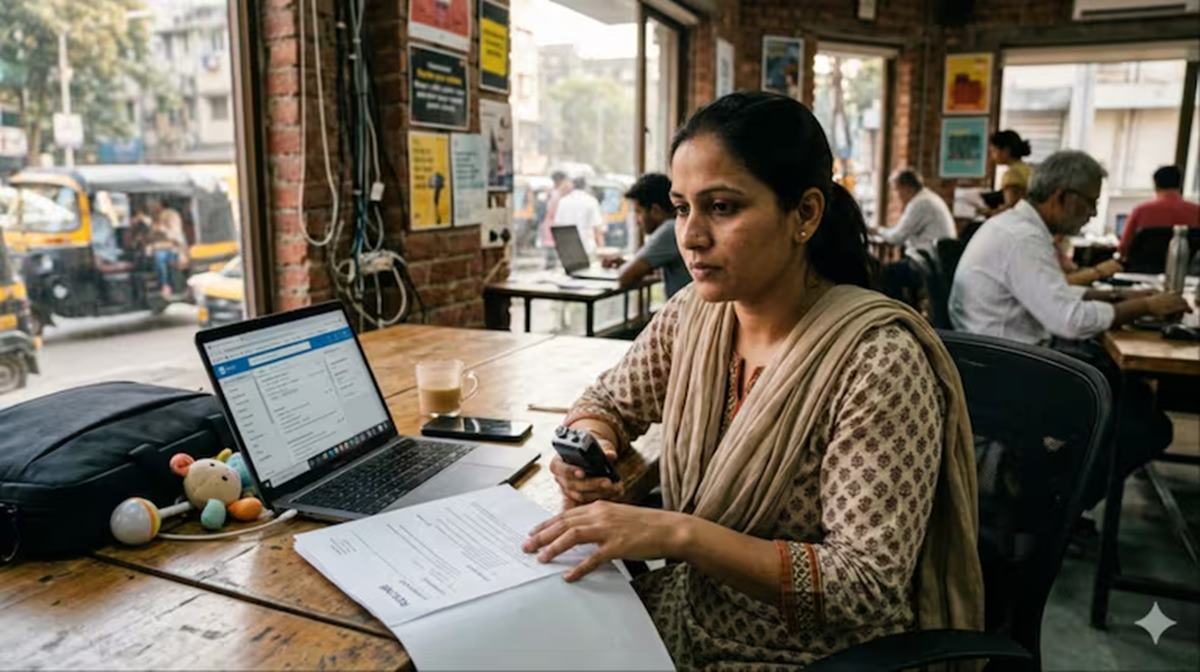
Hybrid work is evolving from ad-hoc flexibility into structured, multi-location models. Instead of commuting to a single central office, employees are expected to work across multiple locations closer to home, including coworking hubs and suburban offices. This supports the growth of “15-minute cities”, where work, living and leisure are integrated within short distances.
Workplaces themselves are also changing, with offices increasingly designed like hospitality spaces focused on comfort, collaboration and wellbeing rather than rows of desks.
Community and loyalty gain importance
Hybrid work is strengthening local community ties, with employers encouraging volunteering, partnerships and local engagement as part of the workweek. This “local loyalty effect” is emerging as a new source of employer brand value.
IWG founder and CEO Mark Dixon said advances in AI, cloud technology and training models will reinforce a long-term shift towards flexible, localised and people-centric work.