




















The modern workplace stands at a fascinating, yet challenging, inflection point. As leaders, we navigate an environment characterized by relentless change, digital overwhelm and a persistent pressure for ‘more, more, more.’ The traditional blueprints for success are no longer sufficient, and the demand for innovation and adaptability is universal across organizations, big and small. This shift calls for a fundamental re-evaluation of how we lead, connect and inspire.
WHAT’S THE OUTLOOK OF THIS NEW WORKPLACE FRONTIER?
Recently, International Workplace Group (IWG), the world’s largest platform for workspace solutions, with brands including Spaces and Regus, released its 2026 State of the U.S. C-Suite Report, which captures how U.S. business leaders are preparing for 2026 – with rising optimism balanced by cost discipline, AI adoption, and flexible work strategies designed to drive growth. Key findings included:
- 95% of CEOs are optimistic about 2026; 84% expect the economy to improve
- 100% of CEOs say cost control is essential, and CFOs are trimming budgets by an average of 10%
- Executives are leveraging AI and flexible work to reduce costs and fuel investment elsewhere – AI can save 20–40% in operational costs, while flexible work can lower real estate expenses by 55%.
With this optimism and continuous change, where does that leave the workforce? How do leaders engage their employees to meet their CEO’s optimism? Josh Cardoz, Chief Creative and Learning Officer for Sponge, a workforce development partner that bridges the gap between strategy and execution by helping leaders enable their workforce, shared a new trend they’ve observed.
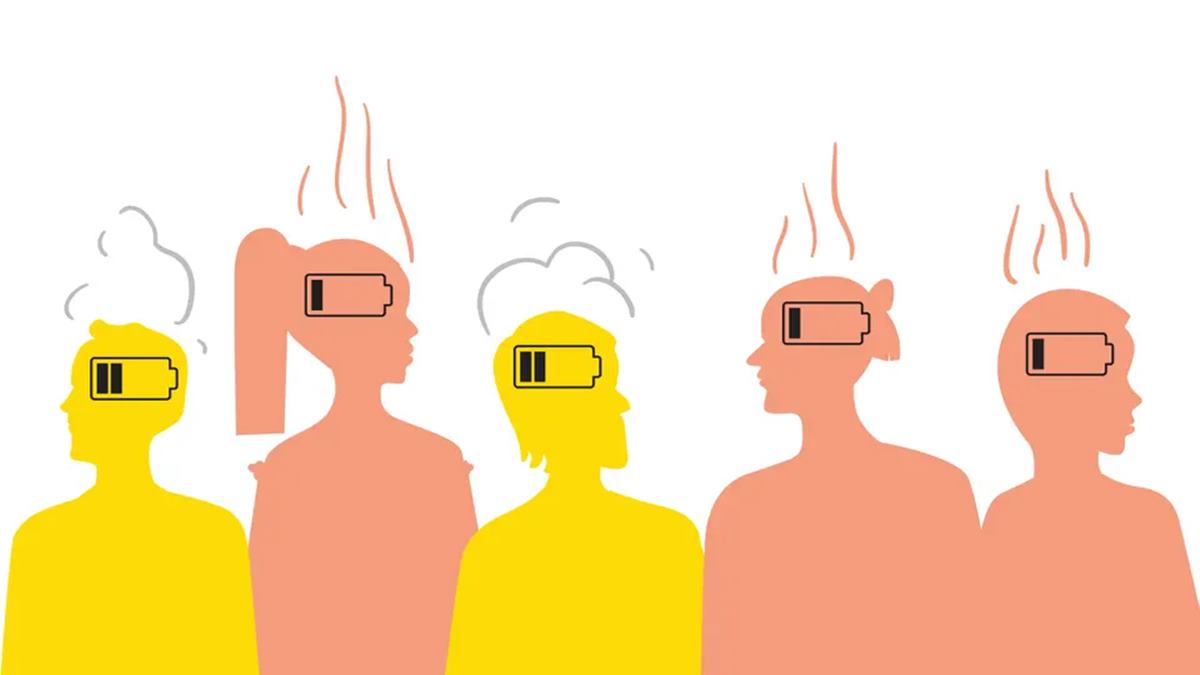
He highlights that, “We’re witnessing the emergence of a workforce shaped not by when they were born, but by what they’ve collectively endured: chronic upheaval, economic instability, the insidious after-effects of the pandemic and prolonged digital saturation. We call it Generation Numb. These are people of all ages, but who all share the experience of the last decade and are increasingly cynical, fatigued and searching for a new sense of identity at work.”
WHAT HAS CONTRIBUTED TO THE EMERGENCE OF GENERATION NUMB?
The chasm between the desire for human connection and the reality of virtual interactions further deepens this divide. Employees can experience teams that ‘cannibalize’ each other versus support one another. It causes workplaces to get caught in a cycle where authenticity is stifled by a perceived need for polished professionalism. Yet, unlocking human capability and fostering genuine engagement are more critical than ever. This new frontier calls for leaders to move beyond simply managing processes and truly lead humans, tapping into what high performance looks like in this new way of working.
Olivia Haywood, the Chief Marketing Officer at Sponge, highlights, this isn’t about a specific age demographic but rather a ‘period effect’ of living in a post-pandemic, AI-driven world. People, including leaders, are feeling profoundly overwhelmed and chronically challenged, leading many to retreat into self-preservation. This manifests as inertia, apathy or defensiveness. It’s an underlying numbness that whispers, “Just don’t give me any more than I’m already dealing with.”
WHAT ROLE DOES LEADERSHIP PLAY IN ENGAGING GENERATION NUMB?
This pervasive numbness isn’t just an employee problem. Leaders are experiencing it too. “All the leaders we’re speaking to are saying, this is how I feel too,” emphasizes Haywood. She explains, “The challenge for leaders is guiding people through these times, whilst also feeling these symptoms of numbness themselves. But there is opportunity here. In today’s world, any plan you’re investing in is likely to be outdated before you even hit the green button. But if you focus on equipping your people to handle change, even thrive in it, you will yield dividends for years to come.”
Many leaders, even in senior positions have been historically rewarded and developed to manage projects, product lines, strategies and were not always engaged to develop and lead with their own viewpoint. This creates a norm of reactive vs. proactive workplaces and businesses. Leaders who are reactive transfer that stress and fear-based energy down through their staff. Employees, in turn, react to the leader’s reaction versus being informed, mindful and strategic.
So, how can leaders break through this numbness and reignite purpose and passion within their teams and themselves? The answer lies in a combination of authenticity, imagination and human-centered leadership.
- Call Out the Reality with Authenticity: The first and most powerful step is to simply acknowledge what’s happening. Cardoz emphasizes, “The very first, most powerful step is just to call out what’s real and say, ‘I see it too.’ Leaders must lead with vulnerability and authenticity, moving away from the outdated notion that professionalism means detaching from humanness. Employees need to see their leaders as real people, facing similar challenges, fostering genuine connection and empathy.”
- Foster Imagination and Play: High performance isn’t solely about productivity. It’s about creativity, imagination, flow state and a sense of play. These ‘soft skills,’ often dismissed in previous decades, are now essential. Imagination matters more than ever in this particular moment. “Leaders must actively create conditions that unlock this. This might mean something as simple as banning technology from meetings to encourage physical presence and engagement to allow for micro breakthrough moments,” recommends Haywood. Rekindling the creative muscle that many adults were forced to let atrophy in preference for certainty, productivity and accuracy will be a premium capability as technology continues to take on more and more of the tangible, ‘black and white’ tasks of the workplace.
- Move Beyond Mandates: “The era of expecting everyone to conform to a single way of working or interacting is fading. We’ve hit the death of mandates,” cautions Cardoz. Overt and implied mandates like 24/7 productivity and accessibility caused many to lose a sense of belonging, loyalty and commitment. It has fostered the infamous trends of quiet or soft quitting. “Leaders will need to cultivate environments that inspire, similar to the early Silicon Valley where people were tapped into a sense of belonging and a sense of being part of something that was really exciting. This requires understanding and valuing diverse perspectives and fostering an inclusive culture where every voice feels empowered to contribute.” The goal is to create meaning and caring that makes the process secondary and supportive to what the collective is inspired and committed to achieving. Haywood shares, ”The workplace could be somewhere we might find monoculture again. That sense of ‘everybody shares this’ – is a positive part of community-building that the workplace could offer us. If it’s done right.”
- Adopt a ‘Me, Us, It’ Framework: Cardoz and Haywood advise to guide this transformation with a sequential framework. Me First: Begin with personal clarity. Leaders must first be clear on their own priorities, values, and knowledge. This self-awareness builds the internal trust needed to lead authentically. “Unless you’ve developed it from the inside out, you can’t trust yourself,” clarifies Haywood. ·Then Us: Understand the needs and priorities of your people, your team. What genuinely matters to them? What challenges are they facing and how can you support their well-being and growth? Finally, It: Only after addressing ‘Me and ‘Us’ can you effectively tackle ‘It’ – the job to be done, the organizational goals, the innovation mandate. “Without the foundation of self-awareness and team understanding, organizations are merely surviving and reacting rather than reaching new heights,” highlights Cardoz.
- Embrace the Art of Leading Humans: For too long, leadership has been conflated with managing processes and delivering widgets. But the real art of actually leading humans involves bringing out human capability, fostering dialogue and creating an environment where high performance thrives through creativity, connection and a shared sense of purpose. This requires leaders to lean into and develop their human interaction capabilities and understand how, what was once a ‘soft skill.’ has become a premium and mandatory of leaders at all levels.
The challenges of Generation Numb are real, but so is the immense potential for re-engagement. By shifting our mindset, embracing authenticity, fostering imagination and prioritizing human connection, we can not only break through the apathy but also build a more vibrant, resilient, and high-performing workplace for all. It’s not easy, but it is undoubtedly the essential work of leadership for tomorrow.