
















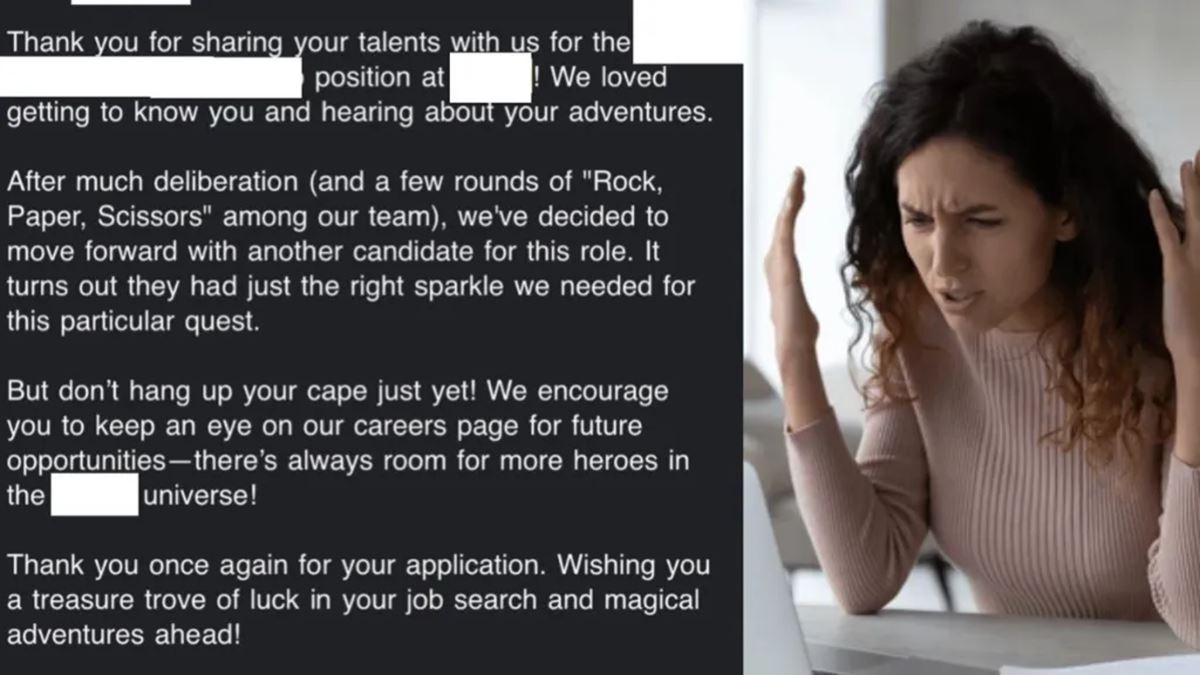




Three-quarters of global knowledge workers now use generative AI in their roles, with adoption nearly doubling in the past six months alone. Yet it’s common for job candidates to remain anxious about mentioning this during interviews, particularly for creative or strategic positions where recruiters might worry about AI shortcuts replacing genuine skill.
This concern isn’t unfounded. Hiring managers are paying attention to how candidates discuss technology in their work. However, the data tells a different story than job seekers might expect. A UK survey shows that 54% of hiring managers actually prefer candidates with practical AI experience, suggesting the real issue isn’t whether you use AI, but how you talk about using it.
Yassin Aberaa, Founder and CEO of a digital marketing agency specializing in SEO and lead generation, understands this challenge well. His team regularly assesses candidates’ technical capabilities alongside their strategic thinking.
“Job seekers usually think they need to hide their AI usage, but that’s the wrong approach,” says Aberaa. “The candidates who stand out are those who can clearly explain how they use AI as a tool to amplify their skills, not replace them.”
Below, Aberaa shares six strategic ways to discuss your AI usage that will make you more attractive to employers.
The Bridge Between AI User and AI Expert
The difference between appearing tech-savvy and seeming over-reliant on AI often comes down to how you frame your usage. Aberaa outlines six strategic approaches that demonstrate competence rather than dependence.
1. Stress That AI Handles Repetitive Admin So You Can Focus on High-Value Work
Position AI as your assistant for mundane tasks, not your replacement for thinking. When discussing your workflow, explain how AI takes care of time-consuming administrative work like scheduling, data entry, or formatting documents.
“I use AI to handle routine tasks like organising research notes and creating initial data summaries,” is far more compelling than “AI does my research for me.” The first shows strategic time management; the second suggests you’re delegating core responsibilities.
2. Explain Specific Workflows Where AI Saves Hours
Vague statements about “using AI to be more productive” won’t impress anyone. Instead, walk through concrete examples of your process. Describe how you might use AI for initial market research, sorting large datasets, or generating multiple concept ideas during brainstorming sessions.
“For a recent project, I used AI to analyse competitor content across 50 websites, identifying gaps in 30 minutes rather than spending two days on manual review. This gave me more time to develop our unique positioning strategy,” Aberaa suggests as an example.
This specificity demonstrates that you understand both the tool’s capabilities and its appropriate applications.
3. Show That You Control the Final Output
Make it clear that AI is a tool in your hands, not the decision-maker. Emphasize your role in directing, evaluating, and refining whatever AI produces.
“I treat AI-generated content as a first draft that requires my expertise to shape into something valuable,” shows professional judgement. It indicates you understand that AI outputs need human insight, industry knowledge, and quality control.
4. Mention That You Use AI to Speed Up Initial Drafts But Refine Everything Manually
This approach works particularly well for writing-heavy roles. Acknowledge that AI can help you overcome the blank page problem or generate structural frameworks, but emphasize your role in the refinement process.
“AI helps me create a basic outline or rough draft, which I then completely rewrite based on my understanding of our audience, brand voice, and strategic goals,” demonstrates a balanced approach that uses technology without compromising quality.
5. Highlight How AI Improves Accuracy, Consistency and Turnaround Time
Frame AI as a quality-enhancing tool rather than a shortcut. Discuss how it helps you catch errors, maintain consistency across projects, or deliver work faster without sacrificing standards.
“Using AI to cross-reference data points across multiple sources has reduced errors in my reports by nearly 40%, while cutting my turnaround time in half,” provides concrete evidence of improved performance.
6. Give Clear Examples of Measurable Outcomes
Numbers speak louder than descriptions. Prepare one or two specific examples showing how AI integration has led to tangible results like faster project completion, increased output quality, or measurable efficiency gains.
“After integrating AI into my content workflow, I increased my monthly output from 15 to 25 high-quality articles while maintaining our 95% client approval rating,” demonstrates both productivity and quality maintenance.
Yassin Aberaa, Founder and CEO of Social Market Way, commented:
“The biggest mistake candidates make is either hiding their AI usage completely or overclaiming what AI does for them. Both approaches backfire.
“Don’t say things like ‘AI drafts all my content’ or ‘I let AI handle the creative work.’ This makes you sound replaceable. Equally, don’t claim you never use AI when you clearly do, because that lack of honesty will surface later.
“Instead, focus on your decision-making process. Explain how you evaluate AI outputs, when you choose to use it versus doing something manually, and how you apply your expertise to improve what AI generates. That’s what separates someone who’s skilled with AI from someone who’s just dependent on it.”
Source – https://tynmagazine.com/how-to-say-i-use-ai-in-job-interviews-without-seeming-dependent/