
















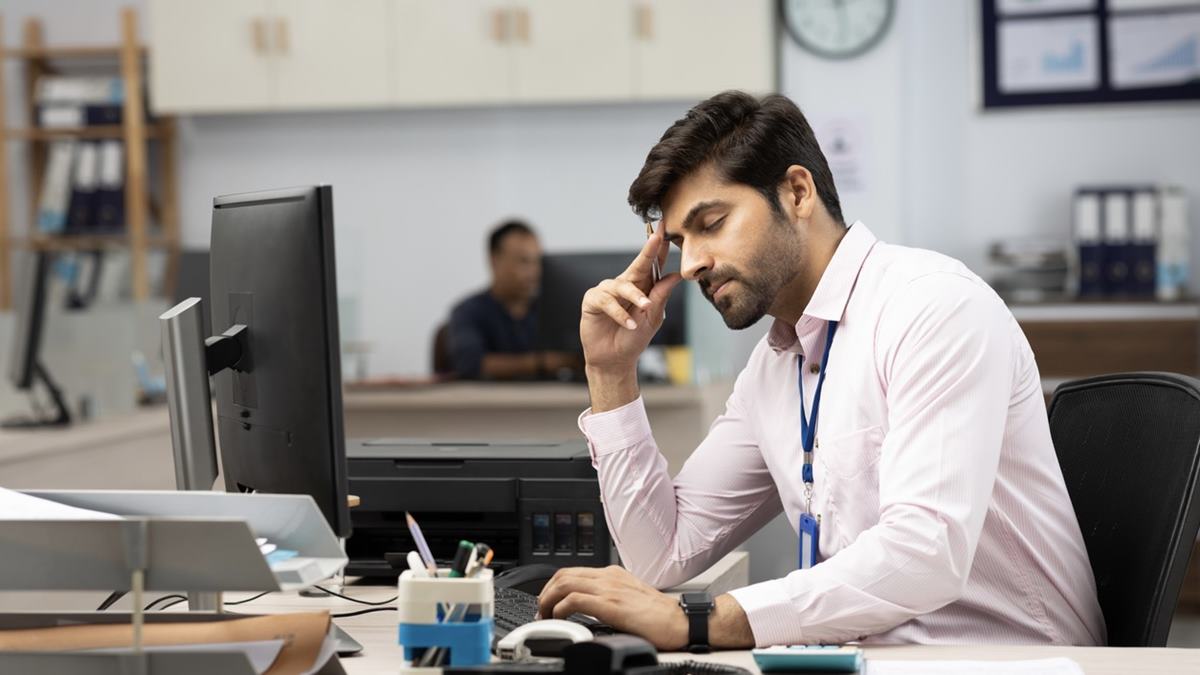
India’s white-collar workforce is currently facing a crisis of exhaustion. As smartphones and high-speed internet are integrated into every facet of life, the expectation for employees to remain “reachable” has expanded far beyond the traditional 9-to-5. To counter this, Supriya Sule’s Right to Disconnect private member’s bill seeks to establish a new social contract for the digital age, one that legally enshrines the right of an employee to ignore work-related communication after hours.
While the bill faces the typical uphill battle associated with private member’s legislation, its introduction marks a significant turning point in the debate over work-life balance law in India.
What the Bill Proposes: A Statutory Shield
The Right to Disconnect Bill is structured to move the conversation from “company culture” to “statutory rights.” At its core, the bill proposes the establishment of an Employees Welfare Authority at the national level, which would be tasked with framing rules and overseeing compliance.
Key provisions of the bill include:
- The Right to Refuse: Every employee would have the statutory right to disconnect from work-related calls, emails, and messages outside of agreed working hours and on holidays.
- No Repercussions: The bill explicitly protects employees from disciplinary action if they choose to exercise their right to disconnect.
- Negotiated Policies: It empowers the Central Government to frame rules, requiring companies to create written policies that define “no-contact windows” and specific protocols for genuine emergencies.
- A Dispute Body: The proposed Employees Welfare Authority would serve as a specialized body to handle grievances and disputes arising from the law.
Addressing Workplace Burnout in India
The primary driver behind this legislation is the alarming rise of workplace burnout India. Data from various mental health organizations suggests that Indian employees are among the most overworked in the world, with “presenteeism”: the act of being at work (physically or digitally) while unwell or unproductive, costing the economy billions.
By granting a Right to Disconnect India could see several key benefits:
- Mental Health Protection: Clear boundaries reduce the “anticipatory stress” of receiving an urgent email at 10:00 PM, allowing the nervous system to truly reset.
- Increased Focused Productivity: Evidence from countries with existing enforceable disconnect policy measures suggests that when employees have a “hard stop” to their day, they become more focused and efficient during their actual working hours.
- Gender Equity: Legislation like this often benefits women disproportionately, as they frequently bear the “double burden” of professional work and household management. A legal right to disconnect prevents professional obligations from encroaching on the limited time allocated for domestic responsibilities.
Practical Workplace Effects: From Friction to Flux
If enacted, the bill would force a radical shift in how Indian firms operate. We would likely see a three-stage evolution:
Phase 1: Short-term Friction
Managers used to immediate responses would initially struggle with the “no-contact” windows. There would be a period of adjustment as teams learn to distinguish between a “perceived emergency” and a “genuine crisis.”
Phase 2: Technological Adaptation
To comply without losing efficiency, firms would adopt remote work law best practices. This includes “scheduled send” features for emails (so a manager can write an email at night, but it only lands in the employee’s inbox the next morning) and automated “out of office” protocols for internal messaging apps like Slack or WhatsApp.
Phase 3: Cultural Stabilization
Over time, the Right to Disconnect India would likely result in higher retention rates and improved morale. Companies that respect these boundaries often find they become “employers of choice” for top-tier talent who prioritize longevity over short-term burnout.
Global Precedents: Lessons from Abroad
India is not the first to explore this. The Right to Disconnect France model, established in 2017, required companies with more than 50 employees to negotiate agreements defining the rights of employees to switch off.
France showed that while the law was popular, it required clear enforcement mechanisms to be truly effective. Without the Employees Welfare Authority concept Sule proposes, compliance can be inconsistent.
Ireland uses a “Code of Practice” rather than a hard law, which offers more flexibility but less protection for vulnerable employees in high-pressure sectors.
Australia has recently moved toward granting the right to disconnect as a formal, enforceable right under its Fair Work Act, reflecting a global shift toward statutory protections.
The Chances of Enactment: A Political Long-Shot?
As a private member’s bill, the chances of it passing into law in the current session are statistically low. However, its success shouldn’t be measured only by its enactment.
The bill has already achieved several milestones:
- State-level Momentum: We are seeing localized efforts, such as the Kerala disconnect bill discussions and state-level wellness initiatives, which suggest the appetite for this law is growing at the regional level.
- Corporate Interest: Leading Indian tech firms and startups have begun voluntarily implementing “no-contact” weekends and “wellness days,” recognizing that the Supriya Sule bill reflects a real market demand for better balance.
- Public Discourse: It has forced the Ministry of Labour to acknowledge the changing nature of work, particularly in the post-pandemic “hybrid” era.
Ultimately, Supriya Sule’s Right to Disconnect bill is about human dignity in the age of automation. It acknowledges that an employee is not a 24-hour resource, but a person with social, familial, and personal needs that require silence and space to flourish.
Whether or not the bill becomes an enforceable disconnect policy this year, the “genie is out of the bottle.” As India strives to become a global leader in the knowledge economy, it must ensure its workforce is not just digitally connected, but mentally resilient. The right to disconnect is, fundamentally, the right to a life outside of work.