












For a while during the pandemic, it felt like work had finally loosened its grip on people’s lives. Living rooms turned into conference halls. No long commutes and sitting in mundane offices with boring walls. Work finally bent around life. And for millions of employees, remote work felt less like a perk but a “new normal.”
However, that new normal is slipping away, and the promise is being quietly withdrawn.As Instagram employees join millions of others being told to return to the office in 2025, something uncomfortable is becoming clear: Remote work is no longer something companies offer broadly. It is something they grant sparingly. And who gets it says everything about where they stand.Sander van ’t Noordende has a front-row seat to this shift. As global CEO of Randstad, the world’s largest talent firm, he sees the labour market not through policy memos but through people, roughly half a million of them placed into jobs every week.He didn’t mince words in his interaction with Fortune, saying, “You have to be very special to be able to demand a 100% remote job.You have to have very special technology skills or some expertise.”
When flexibility becomes a marker of value
For years, flexibility was framed as a cultural evolution, a sign that companies had learned to trust their people. But the post-pandemic labour market is rewriting that story. Remote work is no longer about trust. It is about scarcity.If you are difficult to replace, you still have options. If you are not, your badge is waiting for you at the door. Even the much-romanticised world of freelancing offers no universal escape. Van ’t Noordende is clear about that too.“The whole phenomenon of freelance work has been coming up, of course, over the last decades… but that also requires special skills, good commercial skills, or networking skills, which not everybody has,” he said.Freedom, it turns out, has always come with an entry fee.
The middle ground that nobody celebrates
This is not a full rollback to the past. The five-day office week, once treated as gospel, is no longer the default. Van ’t Noordende believes that the fight is largely over.“The pendulum is starting to slow down… The equilibrium seems to have been found,” he said to Fortune. Outside of a few sectors, particularly big-city banking,“it’s generally a hybrid model, around three to four days, plus some work from home.”Hybrid work has survived. But it has also stratified.Researchers have given this new reality a name: the “hybrid hierarchy.” It sounds academic. It feels deeply personal.
Who gets to stay home
Korn Ferry saw this coming already. At the start of 2025, the consulting firm predicted that as companies pushed harder on office attendance, flexibility would quietly turn into a perk reserved for the most valuable employees.“2025’s haves and have-nots will be divided not by economics, but by talent and how much the company wants them,” the report stated.At the top are workers with rare skills, engineers, specialists, technical experts, people whose absence would hurt. They still negotiate, they still hear yes. At the other end are workers with less leverage, often younger or in more standardised roles, who are now expected to be visible again.Nobody needs to spell it out. Everyone understands what it means.
This isn’t new, it just feels new
Special arrangements, it wrote, have historically been offered “only to top brass” talent. The workplace has never been perfectly fair.The difference now is how obvious it is. What has changed is symbolism. Working from home is no longer about comfort or convenience. It is a signal, of how much you are wanted, of how replaceable you are.
The office is back, but something is missing
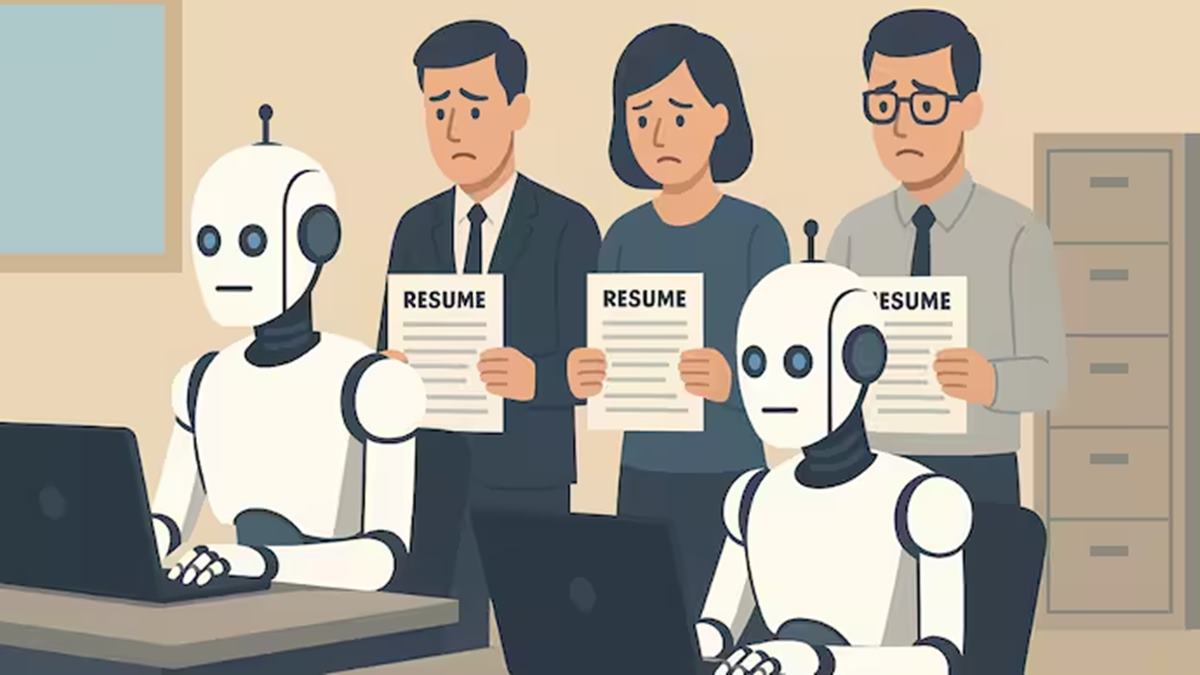
Employers talk about collaboration, about culture, and about energy. But beneath the language sits a quieter message: Some people are trusted to work unseen, others are not.The pandemic flattened the workplace for a moment. Everyone logged in the same way. Everyone disappeared into the same digital grid.Now the layers are returning. Remote work is still here, but only for those who can demand it. For everyone else, flexibility is no longer a promise.It is a reminder.