

















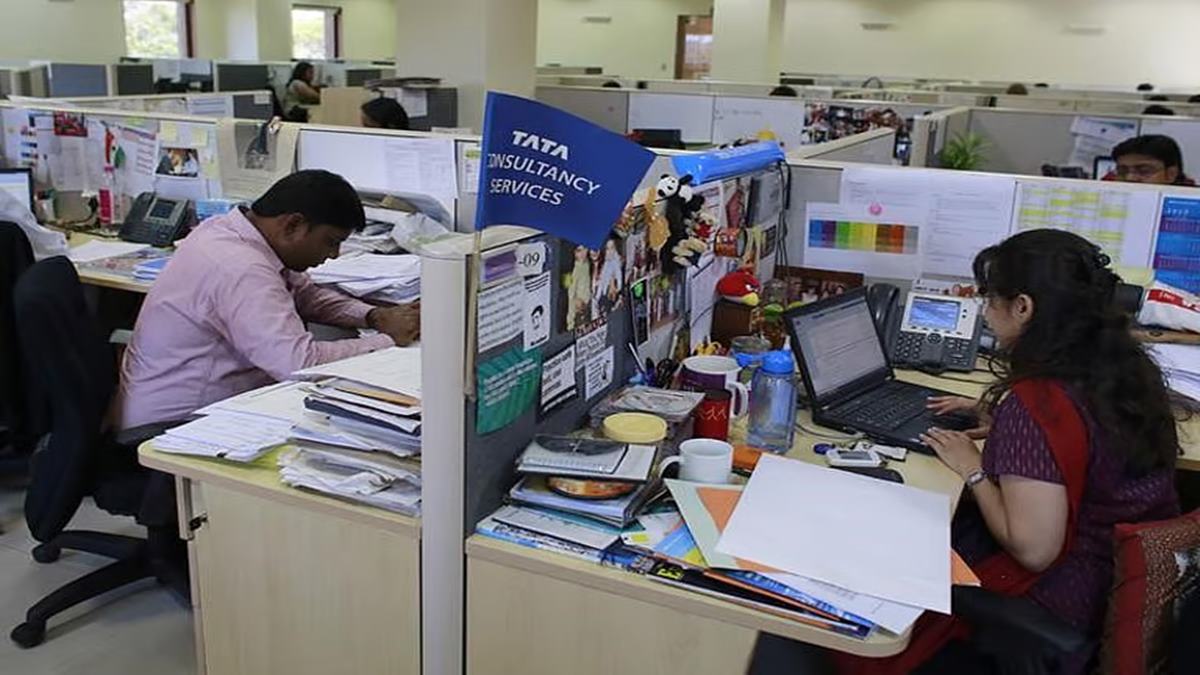

A corporate employee who was facing termination after being labelled a “terrible employee” has used the organisation’s own tools to contest the action, highlighting how access to internal data and systems can influence workplace dispute outcomes.
According to people familiar with the matter, the employee was placed under scrutiny over alleged performance issues and faced the prospect of being dismissed. Instead of accepting the decision, he relied on internal platforms such as project tracking systems, communication records and productivity dashboards to document his actual contributions, timelines and results.
The material presented through official company systems reportedly showed that perceived performance gaps were linked to unclear expectations and communication lapses rather than individual failure. The documentation prompted management to reassess the initial evaluation and reconsider the termination process.
HR professionals note that such cases underline the growing importance of workplace data transparency in performance management and dispute resolution. As organisations increasingly rely on digital tools to monitor work and outcomes, employees now have greater ability to demonstrate context and intent behind their efforts.
The episode has also triggered discussion around how performance is assessed and communicated within organisations. Experts caution that while technology can provide valuable insights, it must be supported by consistent managerial engagement and fair evaluation frameworks.
People aware of the development said the employee’s approach not only altered the immediate outcome but also encouraged a broader internal review of feedback mechanisms and performance assessment practices.
As workplaces continue to digitise, the case serves as a reminder that internal systems can empower employees as much as employers, especially when performance narratives are tested against documented evidence.