





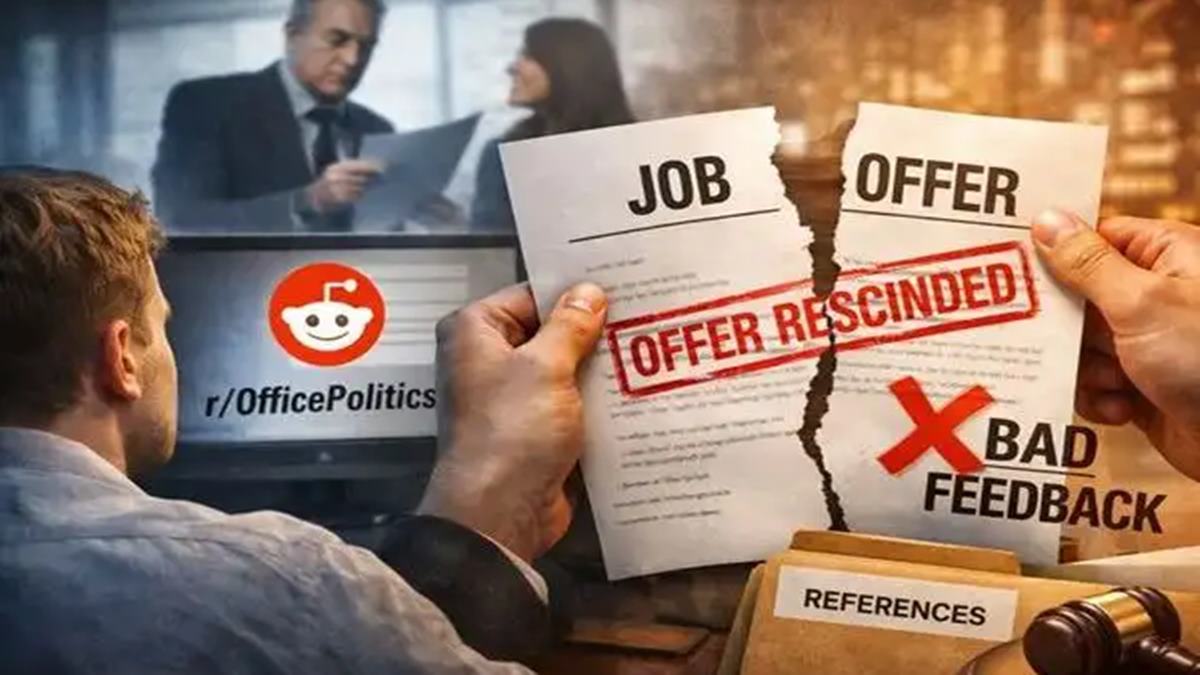











Anyone looking for a new job in the past year knows first-hand how challenging the job market is.
From getting rejected by a company’s ATS (applicant tracking system) to getting ghosted by recruiters after the initial screening call, job seekers with years of experience are still struggling to secure job offers.
There are a couple of schools of thought around why this is happening.
The move towards automating certain roles with generative AI has undoubtedly shaken the job market, with the likes of Amazon, IBM and Salesforce all coming out with statements around cutting headcount as a direct result of increased AI use.
Then there’s the fact that the unemployment rate in November was up from 4.4% in September, highlighting that job seekers are on the rise.
Thinking outside the box
While you might think a platform like LinkedIn or in-person networking events are the best places to try and secure a new role, it turns out job seekers are thinking outside the box. They are increasingly turning to dating apps like Tinder and Bumble to make professional connections and network with prospective employers.
That’s according to a recent survey by ResumeBuilder which found that a third of dating app users are using dating platforms for job or career-related purposes.
Stacie Haller, chief career advisor at ResumeBuilder.com, describes the current employment environment as “brutal” and says workers are adopting more creative approaches because conventional methods are failing to produce results.
“People are getting more strategic about how they need to find a job. Because when nothing else works, you have to come up with something,” Haller says.
Swiping right
This strategy appears to be yielding results. Among those who used dating apps for professional purposes, 88 percent successfully connected with someone to advance their career goals.
More than a third received job interviews, job leads or referrals, while 37 percent obtained job offers. An additional 43 percent received mentorship or professional advice.
Haller suggests that dating apps offer a less formal alternative to LinkedIn, which has become increasingly competitive. The platforms allow for what she described as “softer” or more familiar methods of making human connections, which remain valuable in job searches.
“People are still looking for that human connection, and we still know the human connection is going to be the most valuable in a job search,” she says.
The survey of 2,225 dating app users found the practice spans age groups relatively evenly, with roughly one-third of respondents in each age bracket using the apps for career advancement. The trend skewed slightly more male, with 37 percent of men reporting professional use compared to 30 percent of women.
Higher earners proved more likely to use dating apps professionally, with 47 percent of those making above $200,000 annually doing so, compared to 27 percent of those earning under $50,000.
Most users reported being transparent about their intentions, with only 12 percent admitting dishonesty about their goals. A quarter of those using dating apps for work purposes indicated they were in committed relationships.
Tactics
Survey responses also revealed the various tactics being used by job seekers.
One user described making their dating profile “read like a resume,” then matching with someone in their field and requesting an introduction to obtain a director’s email address.
Others called the approach “weird but effective”.
“It was definitely weird. Feels like the system is broken that folks have to resort to doing this,” one respondent noted.
Another added: “It worked, but you need the audacity to ask.”
Three-quarters of career-focused dating app users said they intentionally targeted people in specific roles, while two-thirds sought matches at desirable or prestigious companies.
Respondents cited multiple motivations, including viewing personal connections as the optimal path to employment, seeing the approach as creative strategy, responding to tough market conditions, experiencing desperation to find work or advance careers, or finding insufficient networking opportunities elsewhere.
The survey also revealed an unexpected outcome: 58 percent of those who used dating apps for career purposes also developed a physical relationship with their match.
Source – https://thehill.com/lobbying/5656853-creative-job-search-strategies/