

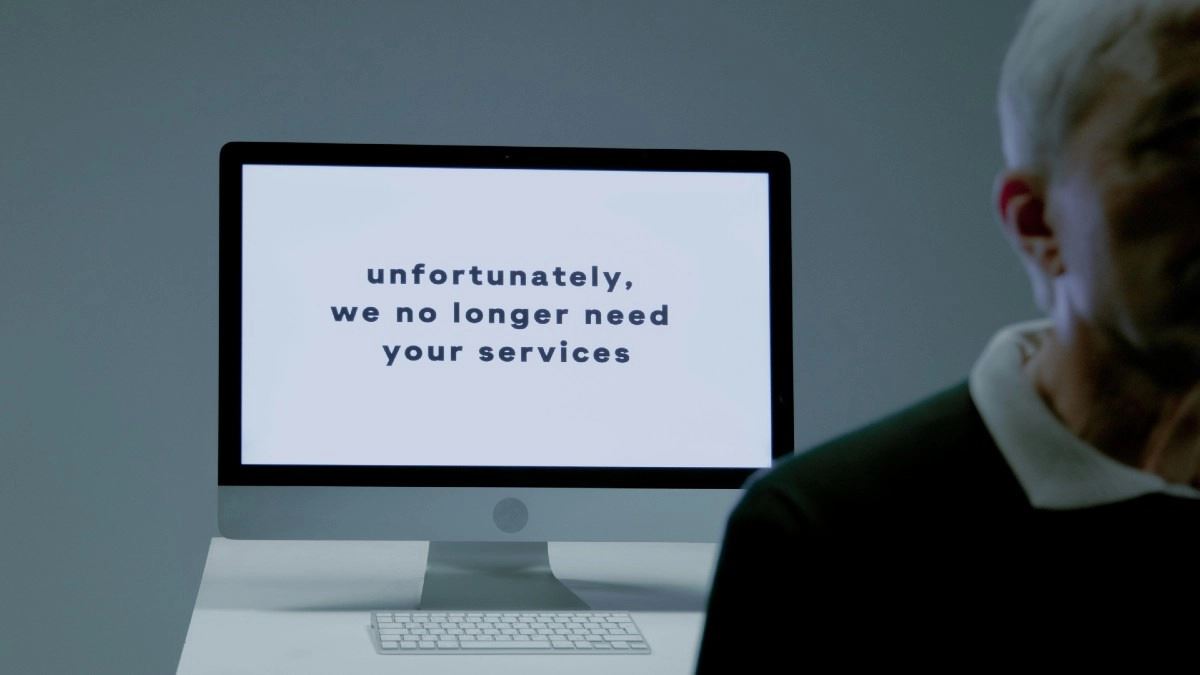



















The “work family” is dead. In 2025, the workforce stopped giving away loyalty for free and decided to work strictly for the paycheck.
Gallup’s 2025 data confirms the statistical reality of a broken psychological contract, showing that 62% of employees are now quiet quitting—converting employment into a strict time-for-money transaction. The new employer-employee relationship is cleaner, fairer, and significantly less toxic than the “family” culture it replaced.
These workers haven’t stormed out. They are still at their desks hitting KPIs. But they have psychologically checked out of the family. The withdrawal only represents a rational market correction. After inflation, return-to-office mandates, and “do more with less” directives, employees are trading loyalty for liquidity.
While HR departments are starting to panic, the shift to transactional work might be the best thing to happen to the workplace in fifty years.
The ‘great detachment’
The tipping point lies in the psychological contract—the unwritten expectations between worker and employer.
For a generation, that contract was relational. You give us extra hours and emotion, we give you safety and belonging. But as Gallup’s report revealed, the deal has soured. Disengagement now costs the global economy an estimated $8.9 trillion in lost productivity annually.
The breakdown is rotting from the middle. Manager engagement dropped to 27%, with female managers seeing a seven-point drop. These are the people tasked with maintaining culture, yet they are burning out fastest. When the cheerleaders stop cheering, the game is over.
The drivers are clear. The “return to office” wars left a bitter aftertaste. Employees dragged back to cubicles for “culture” rather than performance came back, but left their hearts at home.
Loyalty for liquidity?
A new, explicitly transactional contract has emerged. Analysts call it “Loyalty for Liquidity.”
The premise: I sell you skills and time at market rate. I do not sell you my soul, weekends, or devotion.
The shift is visible in skyrocketing “intent to leave” numbers. Gallup found 51% of men and 47% of women are actively seeking new jobs. They aren’t leaving because they hate working. They treat labor like a liquid asset, moving it instantly to wherever the return is highest.
Smart companies buy retention with cash, equity, and boundaries rather than ping-pong tables. The businesses winning this year promise a paycheck that beats inflation and a 5:00 PM sign-off that is respected.
Why ‘transactional’ is better
For years, thought leaders demonized transactional work relationships as mercenary. We were told engagement required passion, and passion required blurring the lines between life and work. We were wrong.
The work family metaphor was often a toxicity trap. In a family, you don’t ask for a raise. You do it for love. Boundaries are betrayals. Leaving is abandonment.
Transactional work is clean. It relies on consent and clarity. Here’s why:
- It kills gaslighting. A request to work late isn’t “taking one for the team”; it’s a request for overtime services requiring compensation. Emotional blackmail evaporates.
- It demands competence, not politics. Work family cultures often protect underperformers because “we love Bob.” Transactional cultures ask: “Did Bob deliver value?” The approach is meritocracy stripped of sentimentality.
- It restores mental health. Dropping engagement scores paradoxically correlates with workers prioritizing actual families. By treating work as a utility, employees reclaim emotional bandwidth for what matters.
Quiet quitting implies a defect on the part of workers. But they’re not defecting. A more accurate term? “Acting your wage.”
When 62% of the workforce does exactly what they are paid to do—no more, no less—rather than rebellion, strict compliance represents adherence to the contract. Executive outrage stems from the realization that business models relied on getting 120% effort for 100% pay. That margin was the “passion tax.”
Operational efficiency over emotional overhead
For workforce management, the shift represents an operational reset. Relying on “passion” introduced massive inefficiencies into business operations by obscuring the true cost of labor and distracting leadership.
Transactional management eliminates the noise, allowing businesses to run on data rather than guilt.
- True cost discovery: Relying on unpaid overtime distorted P&L statements for decades. Paying market rates for every hour worked forces organizations to validate if a project is actually profitable, eliminating “zombie projects” kept alive only by free labor.
- Managers as operators, not therapists: The “work family” model demanded middle managers spend hours on emotional regulation and culture curation. Transactional models free leadership to focus entirely on strategy, logistics, and execution.
- Frictionless agility: “Family” dynamics make restructuring agonizing and slow due to emotional entanglement. A transactional workforce allows companies to pivot, restructure, and realign resources with the speed of the market, treating talent allocation as a logistics challenge rather than a betrayal.
The future is honest
The death of the “work family” clears the ground for the “Portfolio Era.” By 2026, the concept of a “career” will resemble a diversified investment strategy rather than a linear ladder. Professionals will manage skills like assets, constantly rebalancing based on market demand.
Workers will treat employers as temporary clients, regardless of full-time status. The standard 40-hour block will likely fracture into project-based sprints. Companies will no longer own an employee’s time; organizations will merely rent access to specific capabilities.
The new dynamic forces companies to compete on clarity rather than vibes. Future leaders must evolve from “work parents” into talent brokers, curating teams for specific missions rather than hoarding talent for indefinite tenures. Success depends on defining the mission, paying the market rate, and stepping aside.
We are building a workplace where adults trade value with other adults. The arrangement sounds simple. Simplicity was the innovation we needed all along.