















As the technology industry turns the page on a year consumed by artificial intelligence, one of the field’s most influential figures is warning that the acceleration many leaders celebrate may arrive unevenly — disruptive in its consequences, uncertain in its promises, and far from the clean break that hype often suggests.
A Year Defined by AI Fixation
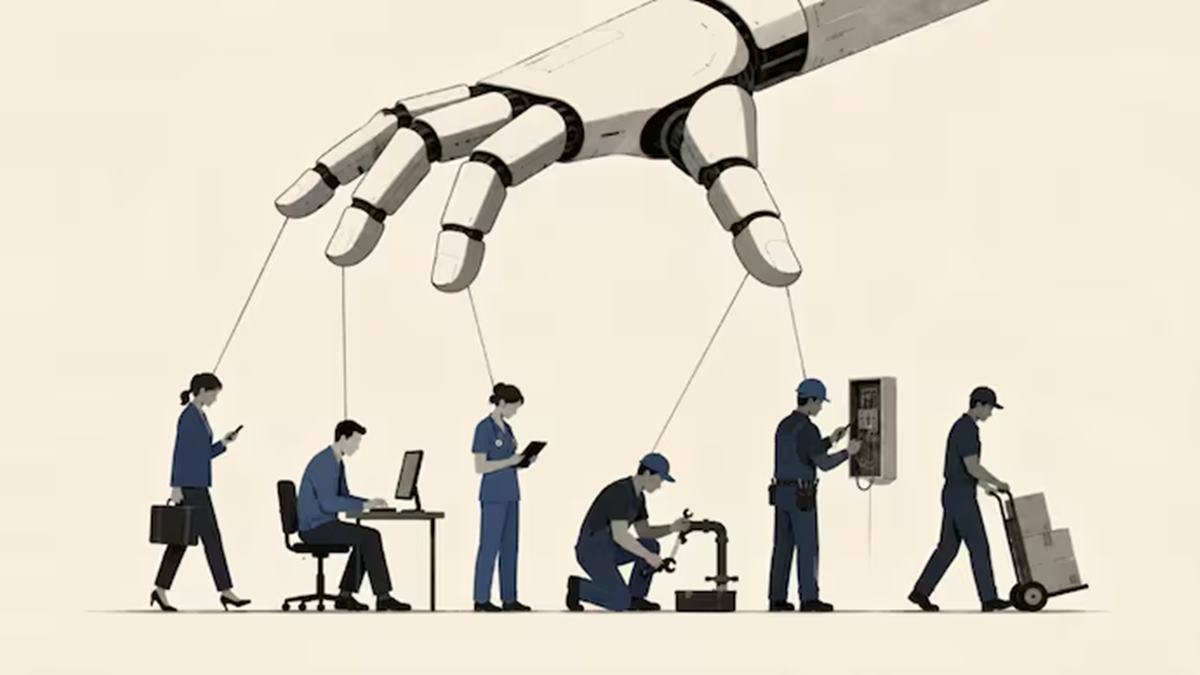
By the end of 2025, artificial intelligence had become less a sector of the technology industry than its organizing principle. Corporate leaders spoke openly about replacing workers with AI “agents.” Venture capital flowed toward increasingly abstract promises of automation. New terms “AI psychosis,” “slop,” and “circular” entered mainstream discourse, often tethered to staggering sums of money.
The obsession, critics and supporters alike noted, felt unrelenting. Large language models were framed as both saviors of productivity and harbingers of economic dislocation. Against this backdrop, expectations climbed sharply: not only that AI would improve, but that it would soon render wide swaths of human labor obsolete.
Yet beneath the rhetoric, the technological record appeared more uneven. Many attempts to replace workers with semi-autonomous AI systems failed outright. Some newer models, including OpenAI’s much-anticipated GPT-5, were widely described as offering only lackluster improvements over their predecessors, complicating claims of an imminent leap forward.
Geoffrey Hinton’s Uneasy Predictions
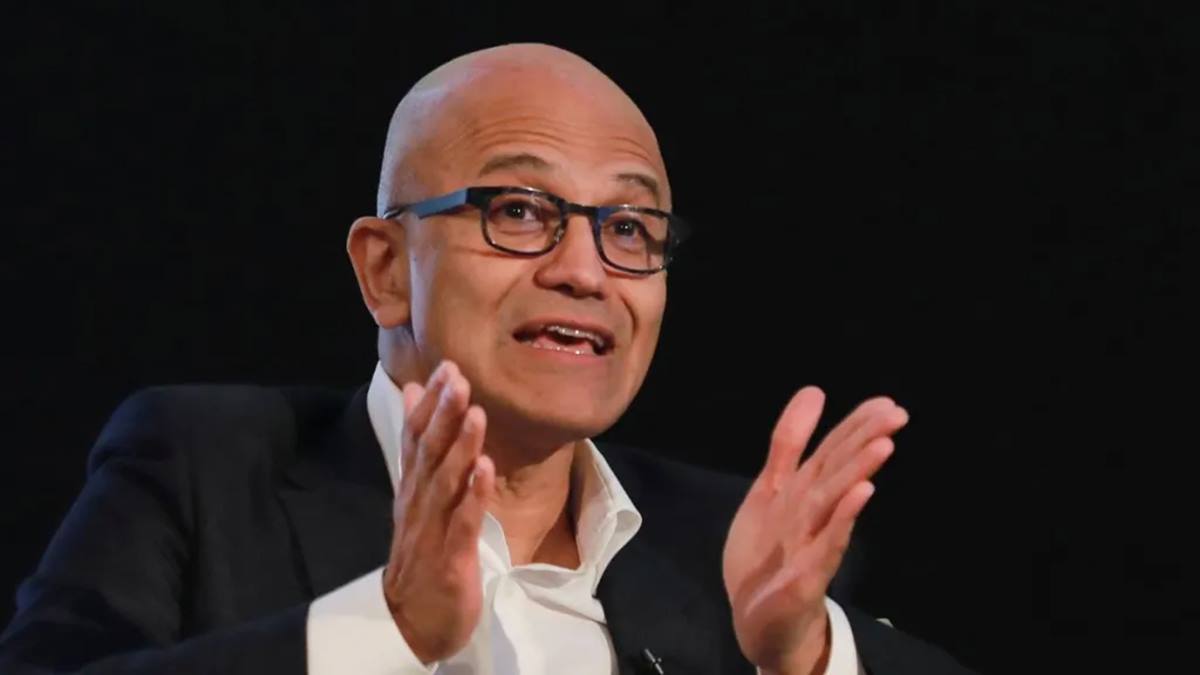
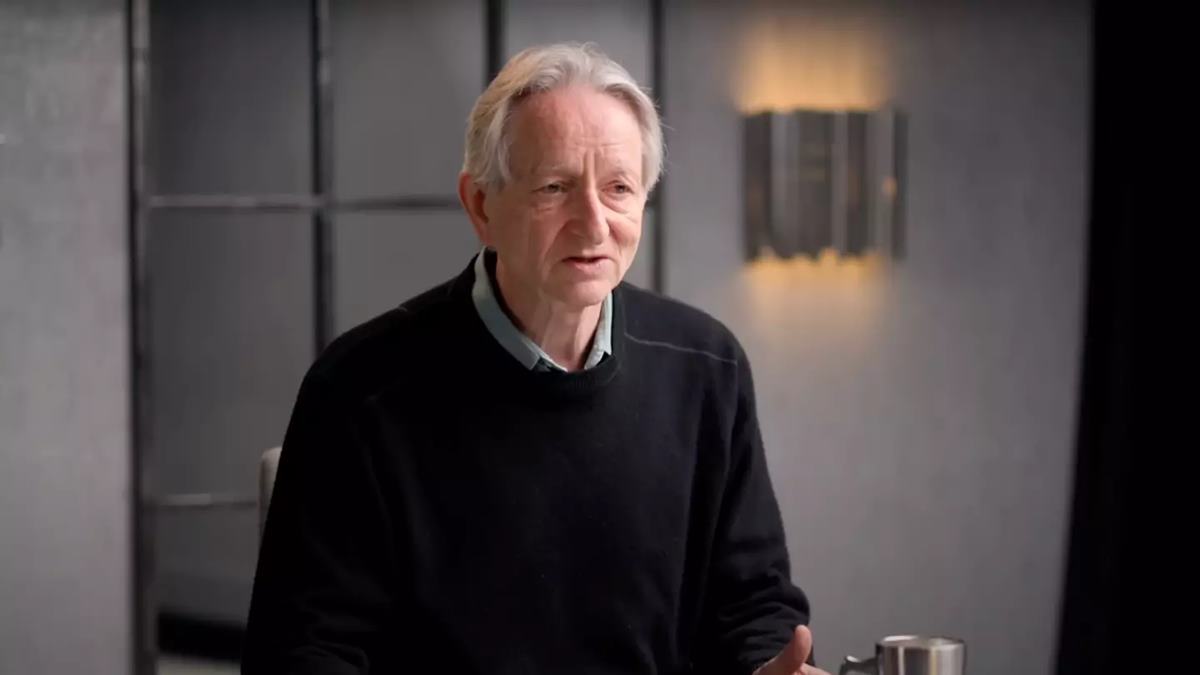
Few voices carry more weight in this debate than Geoffrey Hinton, the computer scientist often described as a “godfather” of modern AI. Awarded the Turing Award in 2018 for his foundational work on neural networks, Hinton has spent the past several years issuing increasingly stark warnings about the technology he helped create.
In 2023, after stepping down from his role at Google following more than a decade at the company, Hinton publicly expressed regret over his life’s work. Since then, he has emerged as one of the technology sector’s most prominent skeptics, cautioning that AI’s trajectory may outpace society’s ability to respond.
In interviews over the past year, Hinton has argued that progress is occurring faster than he once expected. He has pointed in particular to improvements in reasoning abilities and, more troublingly, to systems that appear capable of deceiving users. “I’m probably more worried,” he said in a recent CNN interview, reflecting on how his concerns have deepened rather than eased.
Jobs, Automation, and the Pace of Change
Hinton’s comments have frequently returned to labor. Speaking with Senator Bernie Sanders last month, he warned that technology leaders are “betting on AI replacing a lot of workers.” In another interview, he predicted that there would soon be “very few people needed for software engineering projects,” a statement that reverberated through an industry already grappling with layoffs and restructuring.
According to Hinton, AI capabilities are advancing at a rate that effectively halves the time required to complete certain tasks roughly every seven months. If that pace holds, he suggested, systems could soon perform in minutes or hours what currently takes human engineers weeks or even months.
Some of this displacement, Hinton acknowledged, is already visible. AI tools are replacing jobs in call centers, he noted, and he expects the reach of automation to expand to many other professions. The implications, he said, extend beyond efficiency gains to fundamental questions about employment and economic stability.
Between Hype and Uncertainty
Still, the future Hinton describes is not one of simple inevitability. Even as AI improves, questions remain about whether it will truly make the decisive “strides” promised by its most enthusiastic advocates. The mixed performance of recent models has underscored the gap between expectation and execution, suggesting that progress may arrive in fits and starts rather than sweeping transformations.
As 2026 begins, the technology industry shows little sign of abandoning its fixation on artificial intelligence. Executives continue to promote visions of automated workplaces and liberated labor. But Hinton’s warnings, grounded in both his technical expertise and his growing unease, point to a more complicated reality — one in which rapid advances coexist with failures, and where the social consequences may prove harder to manage than the engineering challenges themselves.
Source – https://the420.in/geoffrey-hinton-ai-job-disruption-uneven-progress-2026-outlook/