




















Produced by the Asian Development Bank (ADB) through its Economic Research and Development Impact Department, in collaboration with the National Statistics Bureau of Bhutan, the National Statistics Office of Georgia, and the Philippine Statistics Authority, this report reflects a growing consensus among global research institutions such as the OECD, the World Bank, and the Centre for Economic Policy Research that labor statistics must evolve. Traditional labor force surveys still focus on whether people are employed, but they say little about what people actually do at work. As technology reshapes jobs, this gap has become a serious obstacle to effective policymaking.
Why Traditional Labor Data Are No Longer Enough
Across Asia and the Pacific, economies have grown rapidly, poverty has fallen, and labor incomes have risen. Yet millions of workers remain stuck in informal, low-quality, or insecure jobs. Automation, digital platforms, artificial intelligence, and the rise of remote work are changing not just how many jobs exist but the nature of work itself. Routine, repetitive tasks are increasingly automated, while nonroutine tasks, those requiring judgment, problem-solving, creativity, and communication, are becoming more valuable. Conventional labor surveys do not capture these shifts, making it difficult for governments to anticipate skills shortages, protect vulnerable workers, or design effective training systems.
Introducing the Jobs and Skills Survey
To address this gap, ADB developed the Jobs and Skills Survey (JSS) module, a new set of questions integrated into existing labor force surveys. Rather than replacing national surveys, the JSS builds on them, collecting detailed information on job tasks, skills used at work, adaptation to new technologies, and participation in remote or gig work. The module also asks workers to assess whether their skills match their job requirements, providing rare insight into skills mismatches from the worker’s perspective. Pilot implementations in Bhutan, Georgia, and the Philippines showed that this approach is both practical and highly informative.
What the Pilot Surveys Reveal About Work Today
The survey findings paint a clear picture of how work is structured in the three pilot economies. Most workers are in their prime working years, but gender differences in job tasks are striking. Women often have equal or higher educational attainment, especially in Georgia and the Philippines, yet they are more likely to be concentrated in routine cognitive tasks such as clerical work and repetitive administrative activities. Men are more likely to perform physically demanding manual tasks and, in Bhutan and Georgia, nonroutine analytical tasks.
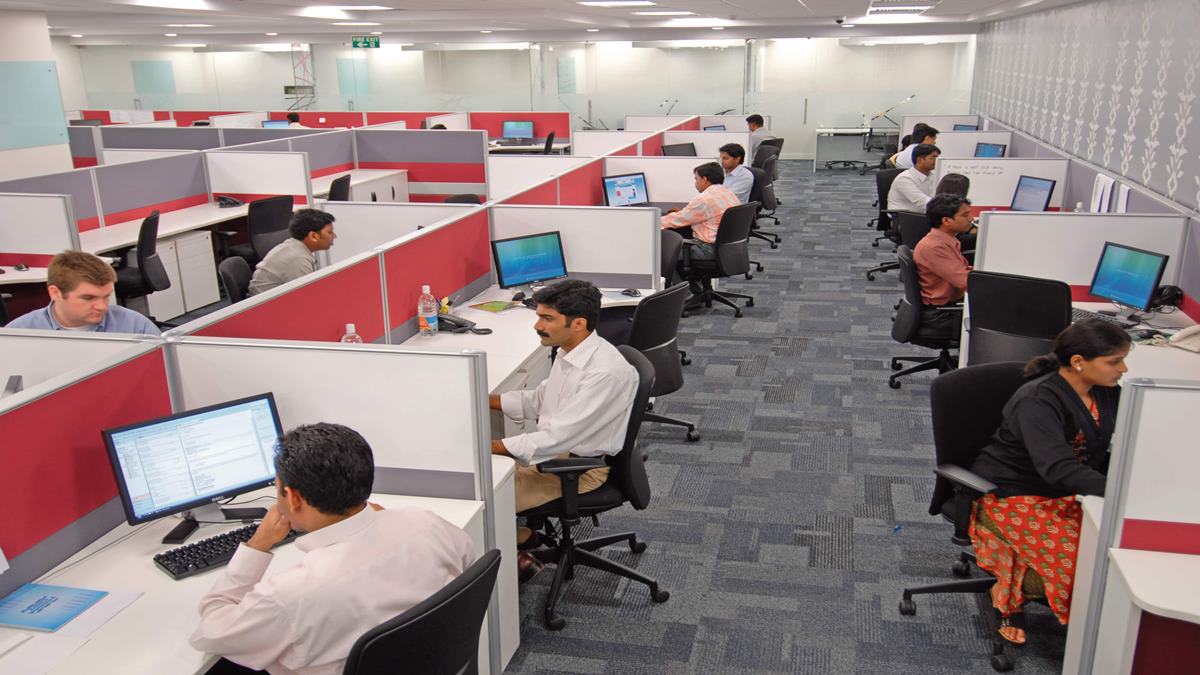
To measure exposure to automation, the report uses a Routine Task Intensity index, which compares how much routine work a job involves relative to nonroutine work. Across Asia and the Pacific, routine task intensity falls as income levels rise, particularly in professional and managerial occupations. However, it remains high in clerical, service, and elementary jobs. The Philippines stands out for particularly high routine intensity in clerical and service roles, reflecting its specialization in business process outsourcing. Within countries, women generally face higher routine task intensity than men, suggesting greater vulnerability to automation and fewer opportunities to move into higher-quality work.
Implications for Skills, Policy, and the Future of Work
The report’s central message is that counting jobs is no longer enough. Policymakers need to understand job quality, task content, and skills use if they want growth to translate into decent work. The JSS data show widespread skills mismatches, uneven access to digital tools, and growing differences in job quality across occupations and genders. They also highlight the rapid spread of remote and platform-based work, raising new questions about job security and social protection.
By integrating the Jobs and Skills Survey module into national statistical systems, governments can gain timely, detailed insight into how work is changing. This evidence can support better-designed training programs, more inclusive labor market policies, and targeted interventions for workers most at risk from automation. The pilot experience demonstrates that modernizing labor statistics is not only possible, but essential for shaping a future of work that is productive, inclusive, and resilient