













Artificial Intelligence (AI) came in t our lives, impacting many different areas of human activities; and now, that’s becoming more and more visible.
However, its impact is having negative consequences in areas like hiring staff; data from the United States shows that the number of applications it is increasing, but the hiring rate is actually decreasing, as well as frustration from applicants and employers during the process.
What is happening and why?
A consistent slowdown has been reflected in employment so far this year, and it shows in the country’s financial situation. It seems that AI is not doing much to fill open positions with the best candidates. Interviews led by AI and automatically generated cover letters have transformed the hiring process—but not in the best way.
According to a Society for Human Resource Management survey, approximately one-third of ChatGPT users used OpenAI’s chatbot to help with their job search, and over half of the organizations examined used artificial intelligence to recruit workers in 2025.
As a result, employers receive more applications, but candidates who use AI in the hiring process are less likely to be hired.
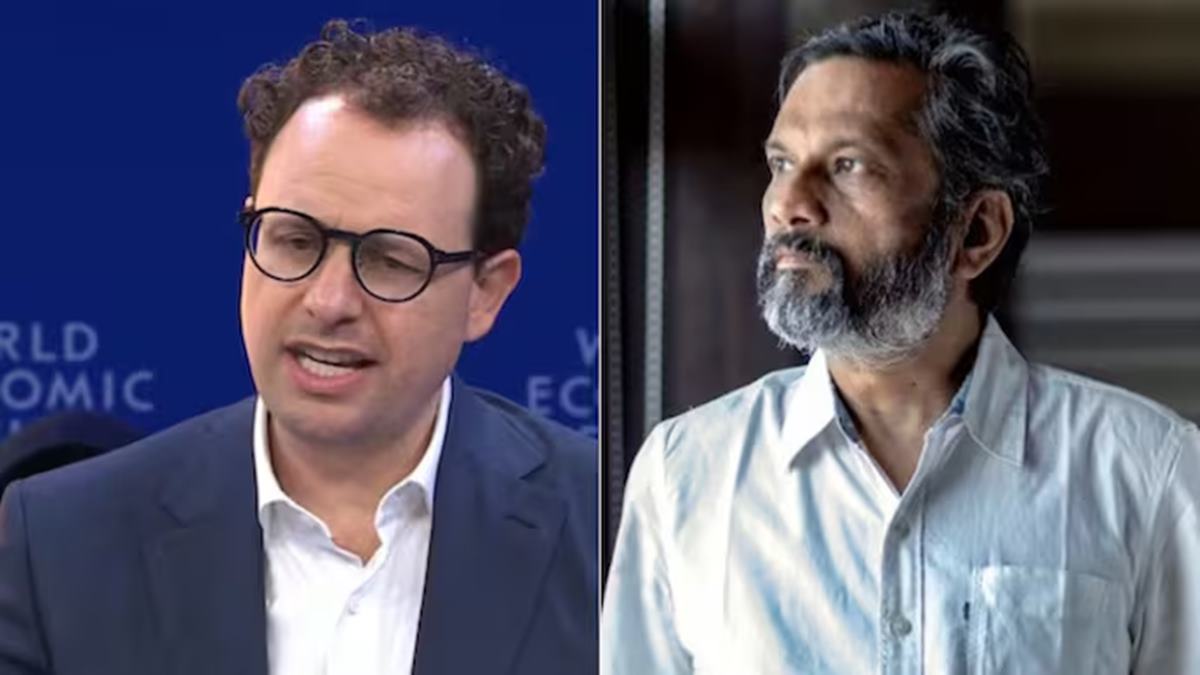
“The ability (for companies) to select the best worker today may be worse due to AI,” said Anaïs Galdin, a researcher from Dartmouth who co-wrote a study on how large language models (LLM) affected CNN cover letters.
AI is improving resumes—but confusing employers
It’s challenging to find competent candidates with automation and artificial intelligence
Galdin and Jesse Silbert of Princeton examined cover letters from tens of thousands of applications on the job-listing website Freelancer.com.
They found that, since ChatGPT’s introduction in 2022, the letters have grown longer and are technically better written, but employers have lost their relevance and now find it challenging to separate a qualified applicant from the others. Therefore, the average starting salary and the hiring rate has dropped.
“If we do nothing to make information flow better between workers and firms, then we might have an outcome that looks something like this,” said Silbert.
Why AI interviews could be dangerous for hiring
Employers have started to automate the interview process, but it looks like it made the problem worse.
According to a study conducted in October by the recruiting software company Greenhouse, 54% of American job seekers said they had participated in an AI-led interview—the next stage of virtual interviews that became popularity during the pandemic.
However, the process is still subjective even though many companies now use AI to ask the questions. According to Djurre Holtrop, who has researched algorithms, LLMs, and asynchronous video interviews in the hiring process: “Algorithms can copy and even magnify human biases. Every developer needs to be wary of that.” Said Djurre Holtrop, who has studied the use of asynchronous video interviews, algorithms, and LLMs in hiring.
Daniel Chait, CEO of Greenhouse, warned about the dangers of AI impacting hiring procedures, saying that employees automating the process and applicants using the tool to apply create a “vicious circle” that is painful for everyone. “Both sides are saying, ‘This is impossible, it’s not working, it’s getting worse,’” He stated.
States like California, Colorado, and Illinois are developing new laws and other rules to establish norms for how we use technology in hiring processes and other contexts.
Reshaping hiring models without exclusion
The market for recruiting technology is expected to reach $3.1 billion by the end of this year, which is a clear indication that this sector is however consolidating. But, state lawmakers, unions, and individual employees keep expressing concerns that AI could be used against workers.
“AI systems rob workers of opportunities they’re qualified for based on criteria as arbitrary as names, zip codes, or even how often they smile,” said Liz Shuler, president of the AFL-CIO union, to CNN.
AI is here to stay for a while, and it will get more involved in the business industry if it can “do the job” and reduce expenses. Solution might be then to keep improving the technology so it works with us, instead of against.
Source – https://www.blanquivioletas.com/en/ai-taking-over-recruitment-us/