















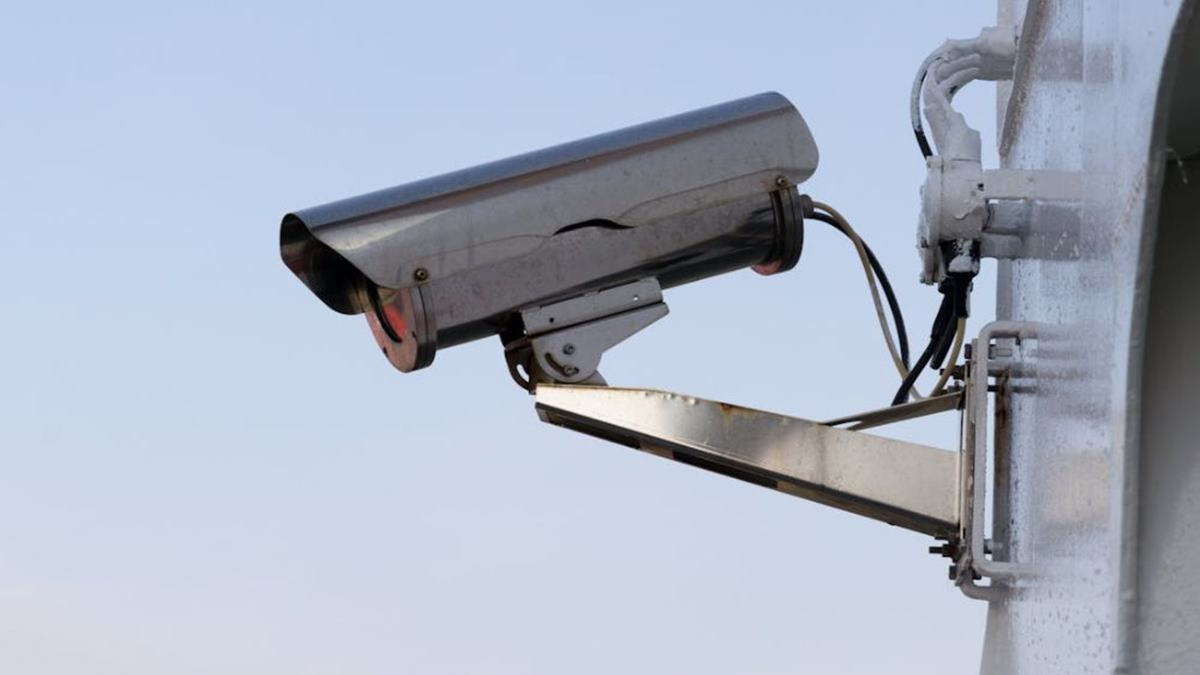
A camera here, a mouse activity tracker there, digital surveillance at work can sound like a harmless necessity to some, but excessive monitoring can have serious consequences for workers. Over the years, there has been a stark increase in technological solutions to employee monitoring, designed as strategies to ensure they are at their posts, doing the jobs they are paid to perform. The role that used to once be performed by a hypervigilant manager is now assigned to technological tools that are far more attentive, capable of observing even a second’s lapse in attention.
These tools can help reassure employers that their employees are not evading work or ignoring their responsibilities, but excessive work surveillance is known to cause anxiety among workers, worsening their performance rather than boosting it as intended. Knowing the risks of employee monitoring and taking precautions to ensure these tools are not used excessively or inappropriately can make a world of difference to the employee experience, and this responsibility falls to the HR leaders in charge of employee well-being.
THE RISKS OF DIGITAL SURVEILLANCE AT WORK ARE OFTEN IGNORED DESPITE THEIR SEVERITY
The modern world has frequently attempted to normalize the idea that you are always being watched and observed, regardless of your expectation of privacy. In a store where cameras are placed for security, it can be easier to ignore this observant eye with the understanding that the attention is being divided among the other people in your vicinity. Cameras in the workplace focus their attention on a smaller group of workers, posing real-world consequences of even the smallest sign of distraction. This is just the start of digital surveillance at work.
Newer, more complex tools put even greater pressure on a worker to stay alert and on guard during their working hours. This state of constant alertness is uncomfortable and abnormal, and it adds a greater degree of pressure on workers.
Of course, there are some advantages to digital monitoring, such as the prevention of injuries or early detection of signs of discomfort or poor health among workers. Despite these benefits, overuse of any technology or technique introduces fatigue and other downsides that stack up over time.
EXCESSIVE EMPLOYEE MONITORING CAN HAVE SERIOUS NEGATIVE EFFECTS ON A WORKER’S MENTAL HEALTH
The US Government Accountability Office (GAO) recently released a report on the risks of digital surveillance at work. The report acknowledged that these digital surveillance tools could provide employees with essential information regarding their own health, such as identifying “cardiac issues, an indication of potential heart disease,” or increasing a worker’s sense of safety at work. At the same time, monitoring could impact employees negatively by pushing them to move faster to meet productivity metrics.
This is most apparent among warehouse workers or gig workers, many of whom are constant observation and evaluation. A survey by the University of Cambridge studied the plight of food delivery and ride-hailing gig workers, reiterating the constant anxiety employees were put under. “Rating systems can lead to deactivation for workers. If your job is at the mercy of a quick click on a stranger’s phone, it is likely to fuel a constant hum of uncertainty and anxiety, along with feelings of being judged, monitored, and replaceable,” lead author Dr Alex Wood explained.
THE DOWNSIDES OF WORKPLACE MONITORING INCLUDE INACCURATE REPORTS ON EMPLOYEES
The negative effects of employee monitoring don’t just stop at disrupting their well-being. Excessive digital surveillance at work also comes with the risk of inaccurate tools that are assumed to be infallible, causing employers to rely on them far more than necessary, discarding other evidence of employee performance.
It is also possible that these tools may use flawed productivity benchmarks and may not accurately reflect the full range of an employee’s skills and responsibilities. These risks could cause these employee monitoring systems to inadvertently discriminate against some workers or cause employees to lose out on opportunities they are deserving of.
No matter how proficient or advanced a strategy or technology is, it is important to ensure that it is utilized cautiously and to a limited degree. Excessive workplace monitoring has many downsides that are often ignored due to their overwhelming advantages, but these tools also convey a lack of trust and respect in employees and their ability to perform their jobs.
Using surveillance mechanisms in moderation may be sufficient to ensure that the many negative effects are mitigated, while also ensuring that employees do not feel overwhelmed by the safety measures set in place.