












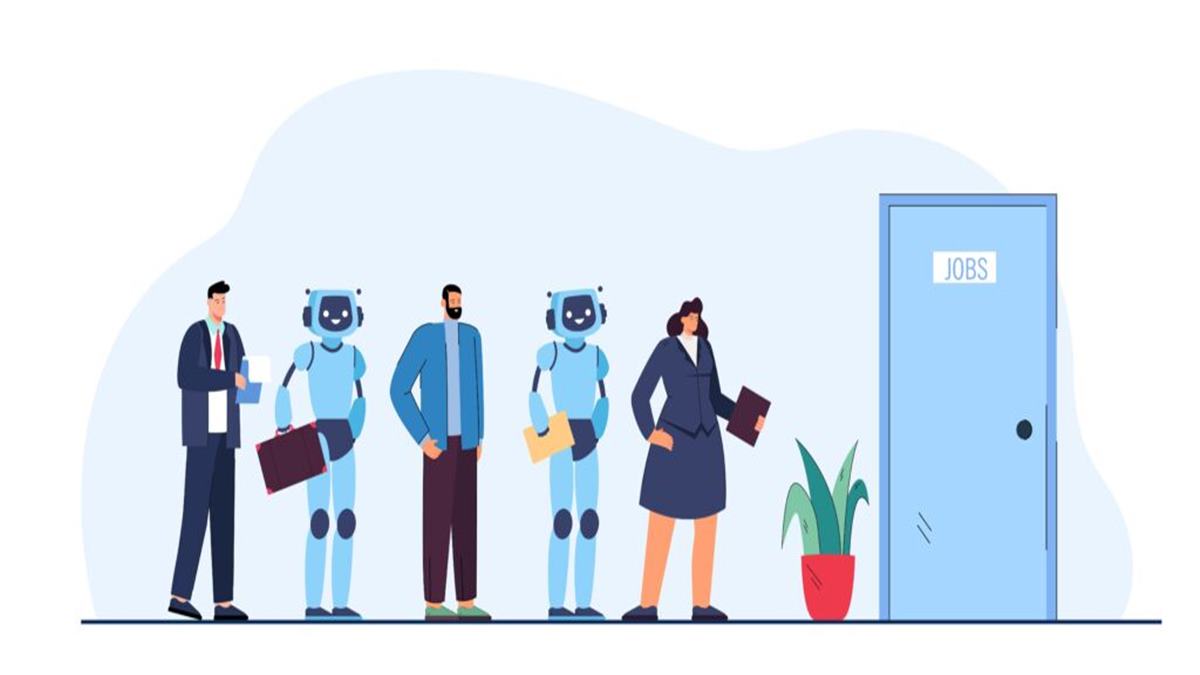



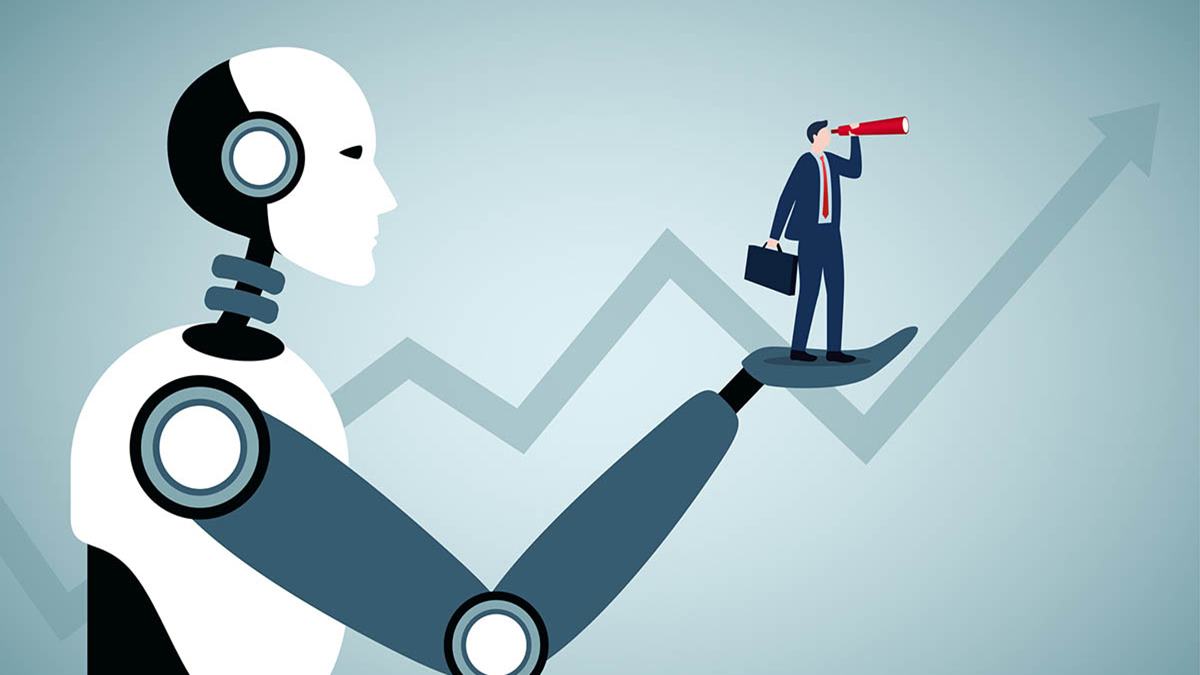
Will AI take away your jobs? Artificial intelligence, hailed as a technological revolution, is set to disrupt labor markets worldwide, top executives at the World Economic Forum in Davos 2026 said, warning that job losses could outpace society’s ability to adapt in the coming years.
JPMorgan Chase CEO Jamie Dimon described AI as “faster, broader, and unavoidable,” with the bank deploying it across hundreds of applications, from fraud detection to customer service. Asked whether AI would lead to fewer jobs in the next five years, Dimon answered unequivocally: yes. He emphasized that governments and businesses must coordinate retraining programs and phased adoption to prevent social backlash.
Echoing this concern, Joe Ucuzoglu, Global CEO of Deloitte, said the integration of AI into established organizations is complex, and the resulting labor market disruption is inevitable. “Certain tasks that used to require X amount of labor will now require less,” he noted. Yet, he also highlighted the silver lining: historical waves of technological change show that new jobs – many unforeseen today – will emerge alongside AI-driven displacement.
Ucuzoglu stressed the need for public-private partnerships to accelerate the creation of these new opportunities and mitigate political consequences, particularly in regions where income inequality and job anxiety are already high.
Nasdaq CEO Adena Friedman underscored AI’s potential to dramatically boost productivity. Early implementations in enterprises are showing nearly threefold returns on investment, she said. However, Friedman cautioned that scaling AI across entire organizations – from product development to finance, marketing, and legal – requires top-down change management and significant investment.
“The technology works and can drive massive productivity gains, but making it an enterprise-wide capability is the real challenge,” she said. Friedman also highlighted the urgent need for reskilling initiatives, noting that both public and private sectors are actively engaging on this front.
Governments and companies alike must invest in reskilling programs and phased adoption strategies to ensure society can bridge the gap, avoid political fallout, and seize AI’s economic potential.
While the technology promises unprecedented efficiency, leaders agreed that labor displacement is a pressing concern. The consensus is clear: AI will create both disruption and opportunity, and its societal impact will depend on how governments, corporations, and workers manage the transition.