

















Predicting that every job in the future will require a “working knowledge of AI,” University at Albany professors are going to teach faculty at Hudson Valley Community College how to incorporate artificial intelligence into their classes.
It’s part of a SUNY partnership in which research institutions will spread AI education to other SUNY schools.
It goes well beyond ChatGPT and similar resources, which users have criticized because AI often “hallucinates” detailed, incorrect answers.
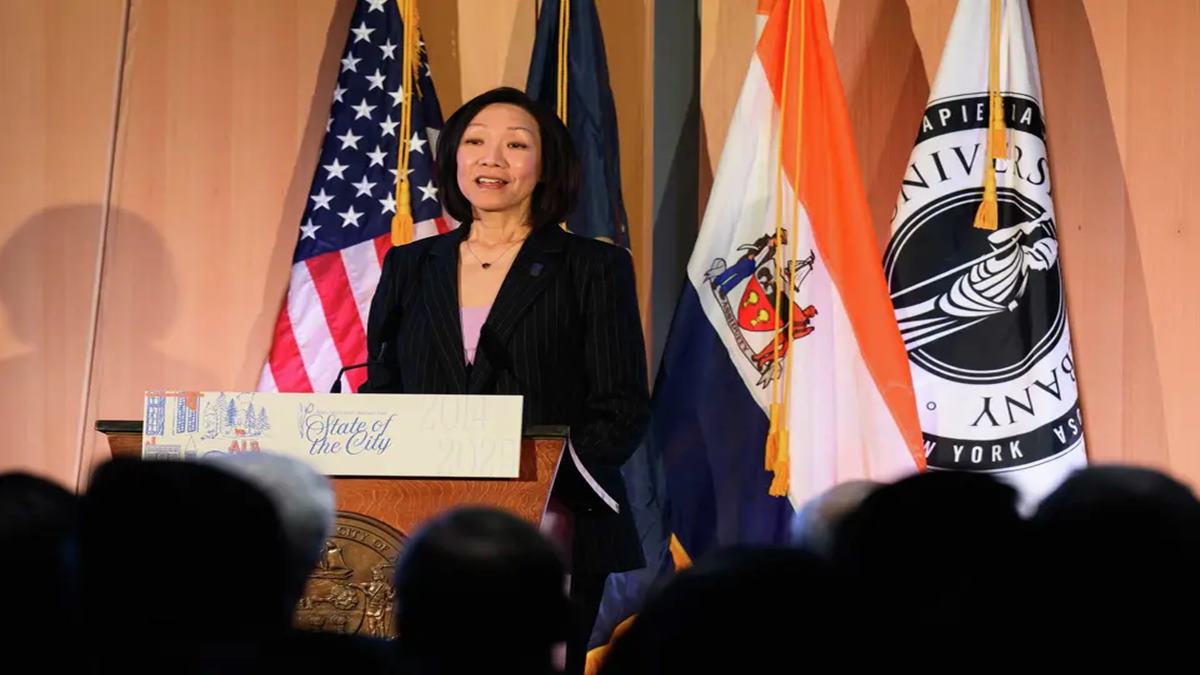
“ChatGPT, that’s a very small part of AI,” said UAlbany Provost Carol Kim, who acknowledged that students must fact-check everything that ChatGPT produces. “But you also have to learn how to use ChatGPT correctly and in the best way to get what you want. If you don’t feed it the best question in the best way, you’re not going to get back what you want.”
More importantly, she said, AI has applications far beyond the basic uses that the average person is experimenting with now.
It goes well beyond ChatGPT and similar resources, which users have criticized because AI often “hallucinates” detailed, incorrect answers.
“ChatGPT, that’s a very small part of AI,” said UAlbany Provost Carol Kim, who acknowledged that students must fact-check everything that ChatGPT produces. “But you also have to learn how to use ChatGPT correctly and in the best way to get what you want. If you don’t feed it the best question in the best way, you’re not going to get back what you want.”
More importantly, she said, AI has applications far beyond the basic uses that the average person is experimenting with now.
“You have to understand what AI can do — it’s the power of AI to crunch through tons of data to get to the answer you’re seeking,” she said. “Which would take many, many people hours to do.”
In particular, AI can help undergraduates quickly create new apps, she noted.
“Use AI to develop new tools more quickly,” she said, citing services for disabled people.
Then there’s using AI to get the background information needed so that a human being can get to planning, building and critical thinking with that information. Employers will come to expect that level of productivity, she predicted.
“All of those students who are graduating now really need to have a working knowledge of AI to be competitive,” she said. “It is impacting all sectors, all of the job market. Whether you are in a STEM area or you are in arts, or humanities, AI is going to have an impact.”
“It doesn’t matter what workforce sector you’re going into, you need to have a working knowledge of AI to be competitive,” she said. “To gather information, to summarize things, it takes a lot of people time to do and not really high-level people time.”
At HVCC, UAlbany professors will teach faculty how to use AI. They will also help develop AI-infused courses and instructional materials.
Students will be invited to an annual competition called a hackathon at UAlbany, where teams of students and faculty will try to develop apps to meet a challenge.
They will also invite teams of students and faculty to join UAlbany’s AI Plus Collaborative Research Experience, in which they will complete research tasks.
Gov. Kathy Hochul announced the partnerships Friday, saying it would lead to students learning to use AI “responsibly.”
“By bringing together SUNY institutions through these campus partnerships, we are furthering the use of AI for the public good and shaping a brighter future for all New Yorkers,” she said in a statement.
Source – https://www.timesunion.com/education/article/suny-albany-predicts-jobs-use-ai-future-21322350.php