

















Artificial intelligence will not make human workers redundant but will fundamentally reshape how work is done, Jeetu Patel, President and Chief Product Officer at Cisco Systems, said at the AI Impact Summit 2026. Speaking to a global audience, Patel pushed back against narratives of widespread job displacement, emphasising that AI is best understood as a tool that augments human capability rather than replaces it.
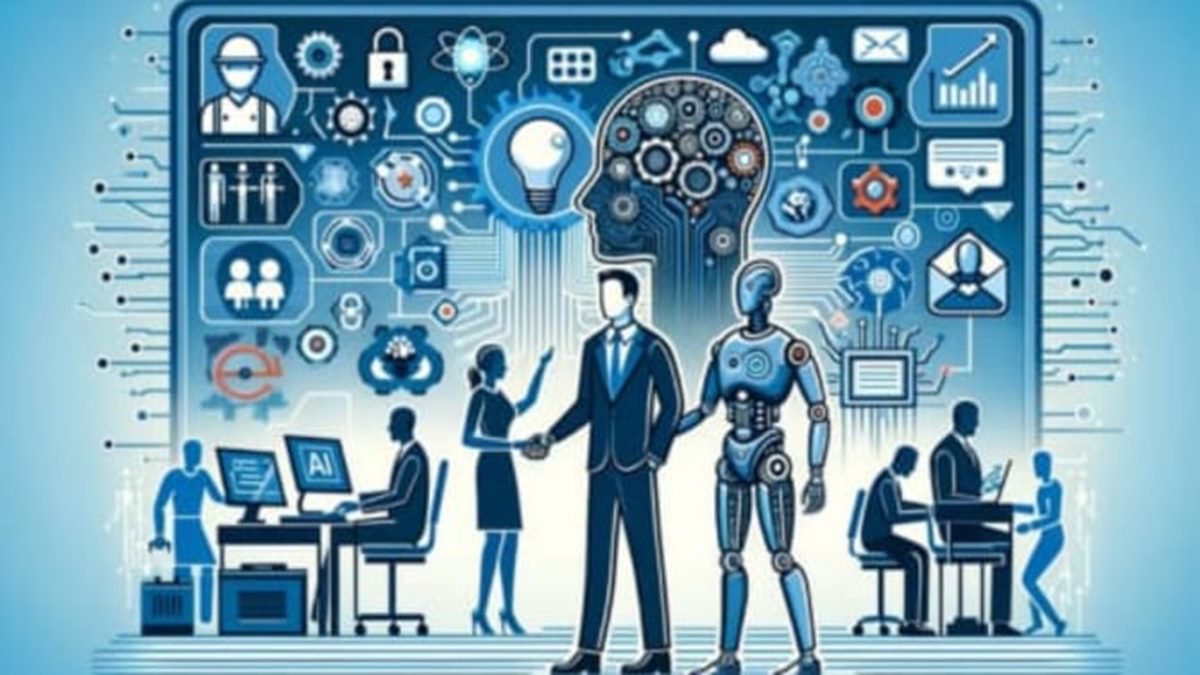
Patel noted that while routine tasks may increasingly be automated, entire professions are unlikely to disappear. Instead, roles will be refactored and redefined, with humans and machines collaborating more closely to achieve better outcomes. He stressed that judgement, creativity and ethical accountability remain distinctively human strengths that technology cannot replicate.
AI as an augmenter, not a replacement
Patel said the real promise of AI lies in its ability to handle repetitive or time-consuming tasks at scale, freeing employees to focus on higher-order responsibilities. “AI can process information at machine speed, but it does not possess human instinct or moral reasoning,” he explained, underscoring that meaningful work relies on human oversight and interpretation.
For HR leaders, this perspective reframes the conversation from job loss to role transformation. Rather than viewing AI as a threat, organisations are encouraged to see it as a catalyst for redefining job design, productivity and talent potential. Patel’s remarks signal a shift towards workforce strategies that emphasise augmentation, collaboration and continuous learning.
Skills, adaptability and responsible deployment
While acknowledging that some tasks may be automated, Patel warned that the bigger risk is inertia, not automation itself. “Don’t worry about AI taking your job,” he said. “Worry more about someone who uses AI better than you.” This underscores the growing importance of adaptability and digital fluency as defining workforce competencies in an AI-driven era.
Patel also stressed the need for trust, guardrails and ethical frameworks in AI deployment. As technology becomes more autonomous, secure infrastructure and clear governance will be essential to maintain confidence in AI systems. He called for collaboration between industry and policymakers to ensure that AI aligns with societal needs and enhances, rather than undermines, human value.
Broader industry perspective
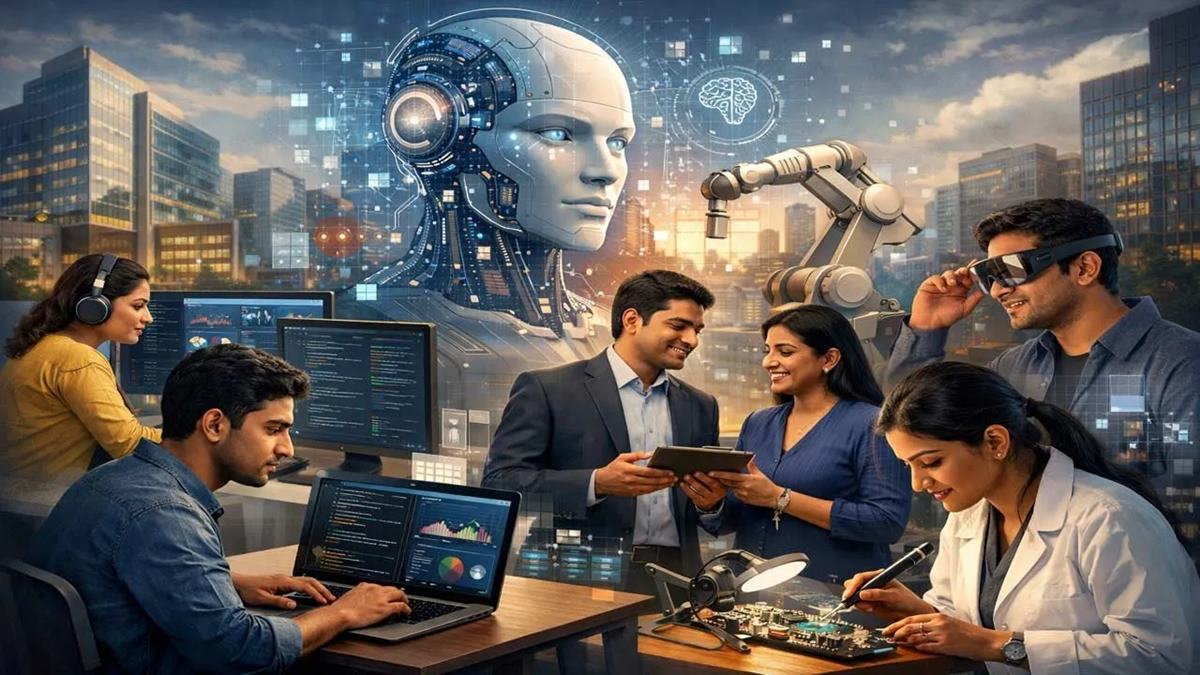
Patel’s comments align with a wider sentiment emerging from leaders at the AI Impact Summit, many of whom highlighted that AI’s integration into workplaces is not about substitution but human-machine collaboration. By focusing on upskilling, ethical adoption and strategic workforce planning, organisations can harness AI to expand human potential rather than diminish it.
The summit’s dialogue reinforces that the future of work will be shaped not by technology alone, but by how individuals and organisations adapt, redefine roles and invest in the uniquely human aspects of work that AI cannot replicate.
Source – https://www.bwpeople.in/article/ai-will-refactor-jobs-not-erase-them-cisco-s-jeetu-patel-594676