















For decades, the corporate world has relied on “management by intuition”: the belief that if you put people in a room for 40 hours a week and watch them closely, work will happen. However, as we move through 2026, a mountain of peer-reviewed data is debunking these traditional myths. We now know that true output isn’t a result of pressure; it is a result of the right hardware, intelligent software, and organizational mandates that prioritize human biology over office tradition.
From ergonomic chair geometry to the psychological safety of a Zoom call, here is the evidence-based manual for enhancing output while drastically reducing employee unhappiness.
Hardware: The Physical Foundation of Focus
The environment we sit in dictates the cognitive load we can handle. Productivity isn’t just “in the mind”; it’s in the lumbar support and the decibel levels of the room.
- Ergonomic Workstations: Physical discomfort is a silent productivity killer. According to research from the Seventh Sense Research Group (2025-26), poor workstation design leads to “musculoskeletal strain” that reduces efficiency by over 20%. Conversely, adjustable desks and chairs with proper lumbar support correlate with higher job satisfaction and lower absenteeism.
- The Multi-Monitor Advantage: The “Alt-Tab” tax is real. A landmark study from the University of Utah found that multi-monitor setups are perceived as significantly more usable than single screens. Professionals using dual or ultrawide monitors reported up to a 42% increase in productivity for complex tasks, primarily because they could view multiple data sources simultaneously without breaking their “flow state.”
- “Quiet Computing” and Acoustic Design: In open-plan offices, noise is the #1 enemy of concentration. Research shows that 99% of employees report their concentration is impaired by office noise. Effective noise-reducing design—utilizing acoustic panels and “sound masking” systems—can reduce distractions by 80%, leading to a balanced auditory environment that improves focus and reduces stress.
Software: Tools That Support, Not Surveil
The digital tools we use should act as “exoskeletons” for our brains, removing friction rather than adding a layer of surveillance.
- Electronic Performance Support Systems (EPSS): The era of the week-long training seminar is over. Electronic Performance Support Systems provide real-time, context-sensitive guidance directly within the software an employee is using. By delivering bite-sized learning “in the flow of work,” EPSS reduces training overhead and empowers users to complete complex tasks autonomously, significantly boosting workplace efficiency.
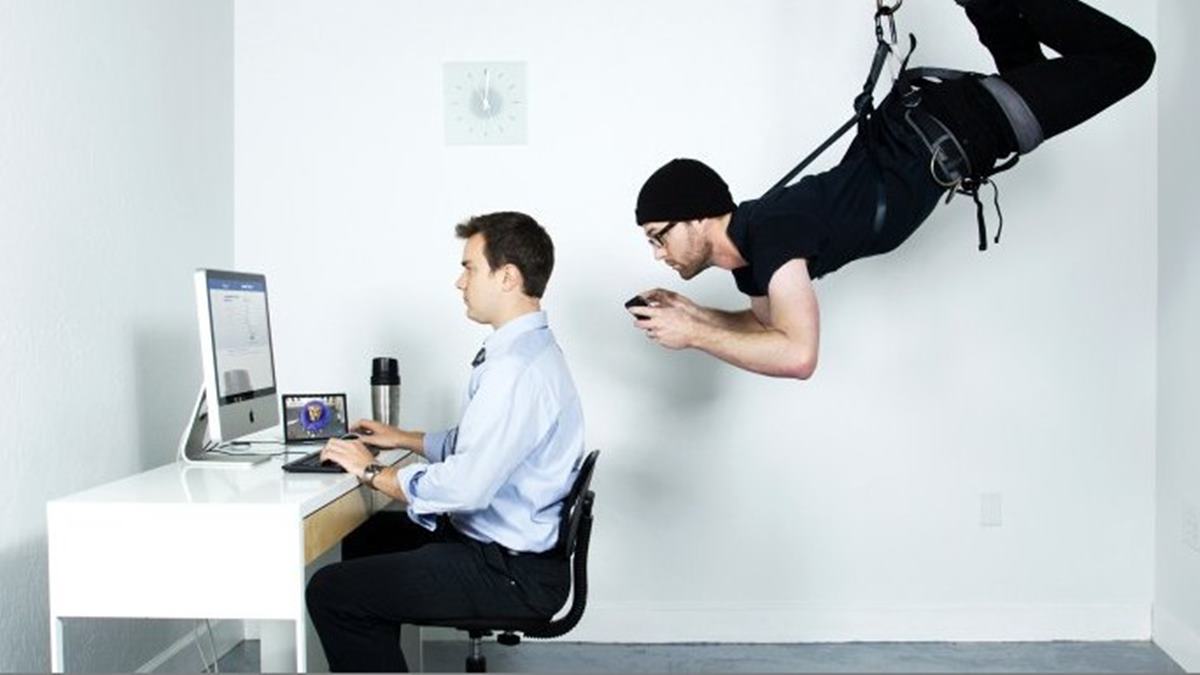
- Avoiding the “Bossware” Trap: While it is tempting for management to use intrusive monitoring tools (keystroke loggers, screenshot software), the data suggests this is a mistake. The HP Workforce Experience Platform notes that surveillance-heavy software erodes trust and spikes cortisol levels, which actually decreases creative output and increases turnover.
Mandates: Policy as a Productivity Lever
Management “mandates” are often seen as restrictive, but the right policies can act as a catalyst for high performance.
- Hybrid Work vs. Rigid Mandates: The data on hybrid work productivity is clear: flexibility wins. Companies that allow employees to choose where they work often see higher engagement than those with rigid return-to-office mandates. Flexibility isn’t a perk; it’s a strategy that allows employees to match their environment to their task (e.g., “quiet work” at home, “collaboration” in the office).
- The Four-Day Workweek: The four-day workweek benefits are no longer theoretical. Global trials, including those by 4 Day Week Global, have shown that reducing work hours to 32 per week (with no cut in pay) maintains or even increases revenue. Employees are more focused, waste less time in unnecessary meetings, and report a 71% reduction in burnout scores.
Behaviours: Cultivating the Right “Vibe”
Finally, the habits of the team, the “unwritten rules” are what sustain productivity over the long term.
- Focused Work Intervals (Pomodoro): The human brain is not a marathon runner; it’s a sprinter. Using focused work intervals (e.g., 50 minutes of deep work followed by a 10-minute break) prevents cognitive fatigue. Research shows that these structured breaks actually boost creativity by allowing the “default mode network” of the brain to reset.
- Psychological Safety: The single most important factor for high-performing teams is psychological safety at work. When employees feel safe to take risks and admit mistakes without fear of retribution, innovation flourishes. Google’s “Project Aristotle” famously found that safety was more important than the individual IQ of team members.
- Solving “Digital Presenteeism”: “Digital presenteeism”, the pressure to be “always on” and respond to Slack messages at 9:00 PM is a primary driver of burnout. Effective digital presenteeism solutions include “Right to Disconnect” policies and asynchronous communication norms. By respecting work-life boundaries, companies ensure that when employees are working, they are actually productive rather than just performatively active.
The High-Output Workplace
The most productive offices of 2026 are not the ones with the most cameras or the loudest “hustle” culture. They are the ones that invest in ergonomic workspace design, provide on-demand productivity software tools, and foster a culture of psychological safety. By following the evidence, leaders can move away from “time at the desk” and toward a future where work is both effective and sustainable.