













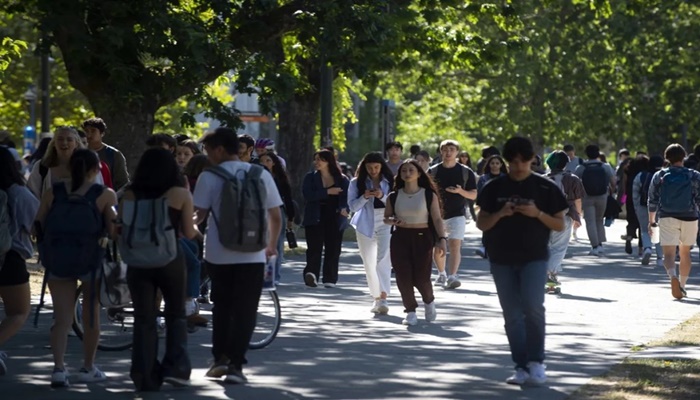





In 2026, workplace expectations are shifting in measurable ways. Younger workers, especially Gen Z and younger millennials, are moving away from the “hustle at all costs” mentality and questioning traditional workplace norms. Rather than pursuing conventional markers of success like climbing to senior executive roles, many of them are figuring out what makes a career meaningful for themselves and rethinking what success really means.
1. The rigid 9-to-5 grind
The idea of sitting at a desk for eight hours is starting to seem outdated for many. Younger workers are advocating for shorter workweeks, like just four days, or schedules that aren’t so strict about when and where work gets done. They believe it’s important to have a good balance between work and personal life while still delivering quality results without feeling overworked. They understand that it’s more effective to work smart than to put in long hours.
2. The “must be in the office” rule
The debate over remote work continues to heat up. Many bosses are eager to bring employees back to the office, while the younger generation often views the daily commute as a waste of time with no real benefits. According to the Workforce Trends Report 2026, only about 30% of entry-level workers actually support full-time office mandates. Younger generations, who have little experience with office life before the pandemic, might find it even harder to see the advantages of in-person work.
3. Blind company loyalty

The idea of staying with one company for a lifetime is becoming a thing of the past. Younger employees are now expecting a mutual commitment. They want to work hard and be loyal, but only if they feel they’re being treated fairly regarding their pay and chances for advancement. In the past, people often focused on how they could fit in with a company, but now the focus has shifted to whether the company fits into their lifestyle.
4. Salary secrecy and lack of pay transparency
Talking about money used to be taboo, but that is now changing. With the influence of people like Hannah Williams from Salary Transparent Street, employees are now openly discussing their salaries to help ensure everyone is treated fairly. They want to see pay ranges listed in every job advertisement and view keeping salaries secret as a major warning sign. If a company isn’t upfront about pay from the beginning, many will choose not to apply for the job at all.
5. Degrees as the only path to viable careers
With college costs rising, more people are questioning whether a four-year degree is the only way to get a good job. Many believe it’s time to focus on hiring based on skills instead. A Deloitte study found that many young workers feel traditional education hasn’t really prepared them for today’s job market. Instead of relying solely on degrees, they are turning to certifications and building real-world experience to demonstrate what they can do.
6. QuitTok
People are changing the way they leave their jobs. With the rise of a trend called “QuitTok,” some people are choosing to film their resignations and share them online. It’s their way of standing up to work environments and prioritizing their happiness. By sharing their stories, they connect with others who have faced similar difficulties but may not have felt empowered to speak out.
7. Getting advice from social media
Many young people are turning to social media for career advice instead of relying on traditional career coaches. Platforms like TikTok and Reddit have become popular sources where users share tips on when to leave a job or how to deal with difficult managers. A recent study found that around 63% of Gen Zers have taken work-related advice from social media, with Reddit being the most popular, followed by YouTube and TikTok.
8. Entitlement vs. survival
There is a common stereotype that young workers today are “entitled,” but this often misrepresents their true situation. They have faced tough challenges like economic downturns, a global health crisis, and a challenging housing market. When they seek fair wages and open communication from their employers, it’s not out of greed. They are thinking about their survival. They are looking for workplaces that reflect the realities of the world we live in today, rather than the conditions that their bosses experienced decades ago.
9. Dealing with toxic management
For a long time, having a “tough” or toxic boss was seen as a rite of passage; something you just had to deal with to pay your dues. That’s no longer the case. Younger workers are no longer willing to tolerate toxic leadership, like bosses who micromanage, manipulate, or have unpredictable moods. They don’t think a paycheck is a good reason to put up with bad treatment anymore. Instead, they are using social media and other online networks to warn their friends and colleagues about managers who haven’t adjusted to modern, supportive leadership styles.
10. Ignoring mental health
In the past, many people believed that it was important to set aside personal problems and just push through challenges at work. However, this mindset is changing. Younger workers today care deeply about their mental health. They are seeking employers who do more than just offer one “mental health day” each year; they want a workplace culture that actively helps prevent burnout. Professionals are also increasingly discussing how to talk to your boss about mental health concerns.