




















Remote work sparked one of the most contentious workplace debates in modern corporate history. What began as a pandemic necessity evolved into a fundamental disagreement about autonomy, productivity, and control. Companies that once praised distributed teams now demand returns to physical offices, while employees who tasted flexibility refuse to give it up without a fight.
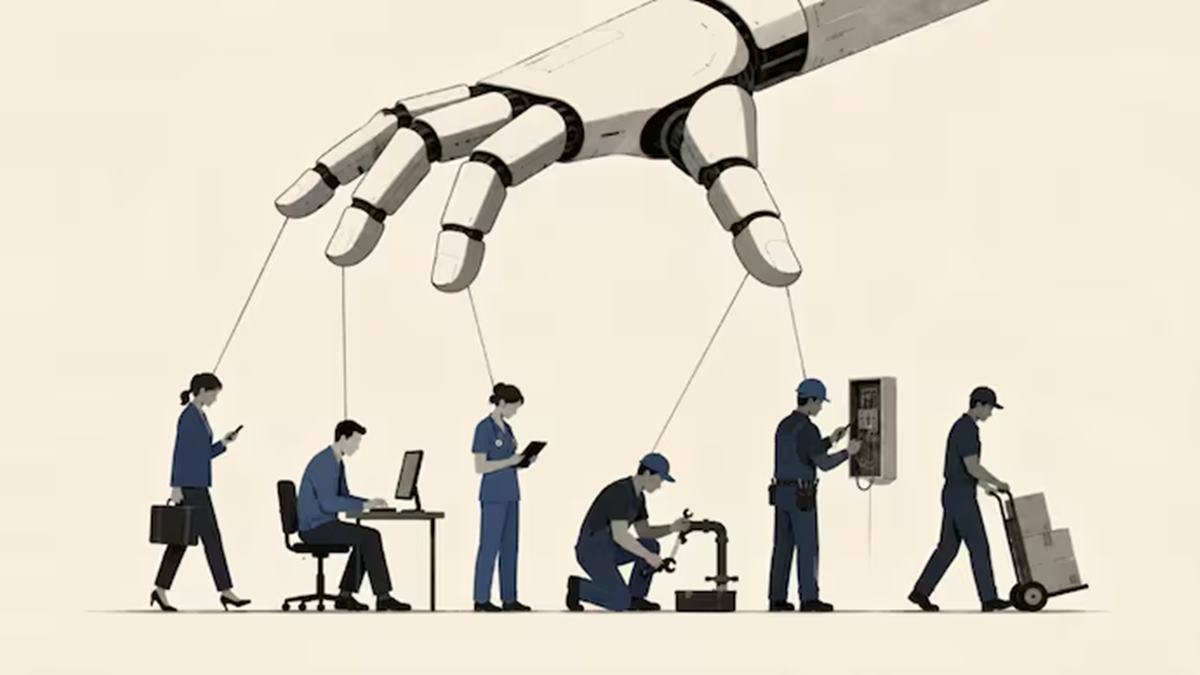
The conflict exposes deeper tensions about power in employer-employee relationships. Executives frame office returns as necessary for collaboration and culture. Workers see them as thinly veiled control mechanisms designed to justify real estate investments and satisfy managers uncomfortable with supervision they can’t physically observe. Both sides marshal data to support their positions, but the numbers tell whatever story people want to hear.
Remote flexibility became non-negotiable for workers
Surveys consistently show that 60% to 70% of employees would consider leaving their jobs rather than return to full-time office work. This isn’t about avoiding commutes or wearing pajamas. People redesigned their entire lives around remote work. They moved to different cities, took on caregiving responsibilities, adopted pets, and eliminated expenses tied to office life.
The flexibility allows parents to attend school events, enables people with disabilities to work without accommodation battles, and lets workers structure their days around peak productivity hours rather than arbitrary 9-to-5 schedules. For many, remote work represents the first time they’ve felt their employer respected their humanity beyond their output.
Companies demanding full returns face recruitment and retention crises. Talented workers have options, and they’re choosing employers who trust them to work from anywhere. The organizations clinging to pre-pandemic norms find themselves competing with a handicap, unable to attract the candidates they need while watching their best performers leave for remote opportunities.
Office advocates claim collaboration suffers remotely
CEOs pushing office returns argue that innovation requires spontaneous hallway conversations and whiteboard sessions. They worry about company culture eroding when new employees never meet their colleagues in person. The concern about mentorship resonates too, with questions about how junior workers develop skills without watching senior colleagues operate up close.
Some of these concerns have merit. Building relationships takes more intention remotely. New hires can feel isolated without the ambient learning that happens when you overhear colleagues discussing projects. Creative brainstorming does feel different on video calls than in physical rooms where energy builds differently.
However, research on remote productivity undermines claims that office presence drives better results. Multiple studies show remote workers match or exceed office-based productivity across most roles. The collaboration argument often serves as cover for less defensible motivations like justifying expensive office leases or satisfying executives who equate visibility with performance.
Remote work reveals class divisions in companies
The return-to-office mandates don’t apply equally across organizations. Executives often maintain flexibility to work remotely while requiring lower-level employees to commute daily. This double standard breeds resentment and exposes which workers have negotiating power and which don’t.
Tech workers, designers, and other specialized roles often secure remote arrangements while customer service, administrative staff, and junior employees get forced back. The pattern reinforces existing hierarchies where senior, higher-paid workers enjoy privileges denied to everyone else. Companies insist these distinctions reflect job requirements rather than status, but employees see through that justification.
Geography plays a role too. Workers in expensive coastal cities face impossible choices between crushing commutes or unaffordable housing near offices. Meanwhile, people who moved to lower-cost areas during the pandemic now face ultimatums to relocate or resign. The economic pressures disproportionately affect younger workers and those without generational wealth.
Remote policies shape employer reputations
Companies became defined by their remote work stances in ways that affect their brands beyond recruiting. Customers and partners notice when organizations demand unnecessary office presence while preaching flexibility and work-life balance. The hypocrisy damages credibility in ways that extend past HR departments.
Some companies found middle ground through hybrid arrangements, but these often satisfy no one. Employees resent being forced in for arbitrary days that could accomplish the same goals remotely. Managers complain that hybrid creates coordination nightmares where teammates never overlap in the office. The compromise ends up delivering the downsides of both approaches without the benefits of either.
A handful of organizations embraced remote-first cultures entirely, closing offices and investing in distributed infrastructure. These companies report advantages in talent acquisition and employee satisfaction, though they acknowledge challenges around maintaining culture and onboarding. Their success suggests that commitment to remote work matters more than the specific model.
Remote debate won’t resolve through mandates
The standoff continues because both sides have valid concerns and legitimate needs. Employees won’t willingly surrender autonomy they’ve proven works for them. Employers face real challenges managing distributed teams and justifying empty office space. No amount of data or mandates will reconcile these fundamentally opposed interests.
The resolution will likely come through market forces rather than reasoned compromise. Companies offering flexibility will attract stronger talent pools. Those demanding office presence will either adapt or accept limitations in who they can hire. Workers will vote with their applications and resignations until organizations respond.
The broader question isn’t where people work but who gets to decide. The pandemic shifted that power dynamic, and the fight over remote work represents attempts to restore or preserve the new balance. How this settles will shape workplace culture for decades.
Source – https://rollingout.com/2026/02/25/remote-vs-office-debate-split-workplaces/