













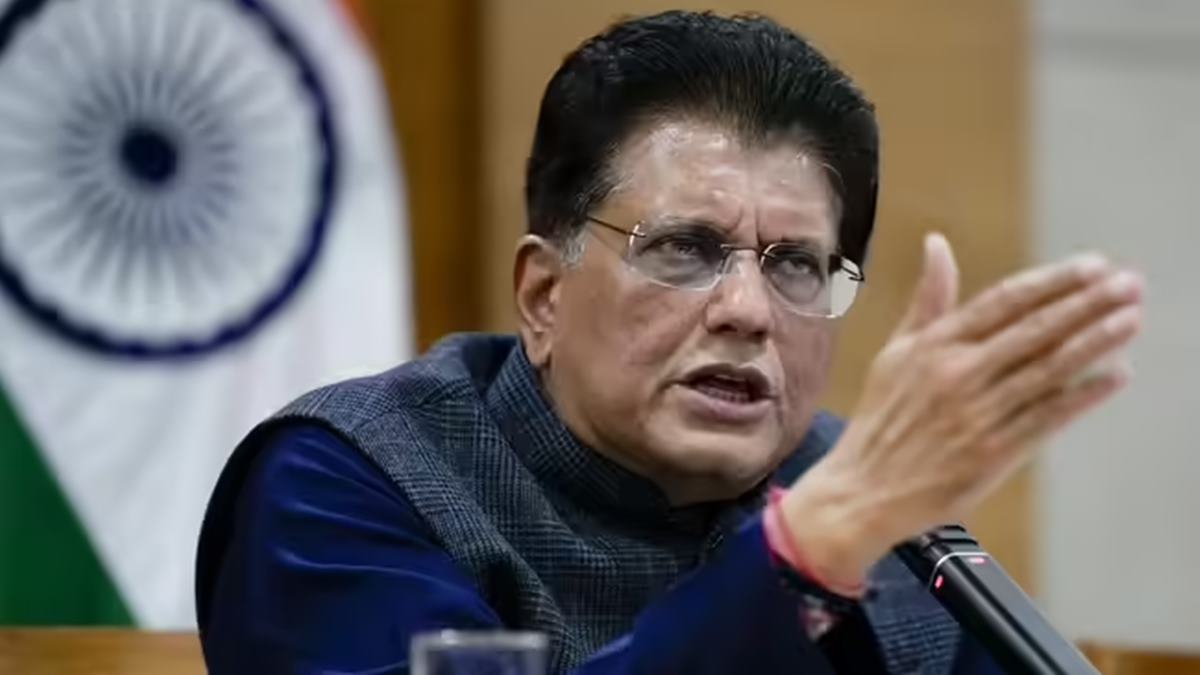
India is positioning itself at the center of the global AI revolution, and according to Piyush Goyal, the world can’t afford to ignore it. Speaking at The Times Group’s ET NOW Global Business Summit 2026, the Commerce and Industry Minister delivered a clear message: India is ready to lead, innovate, and transform artificial intelligence.
“Without India in the value chain, it will be impossible to expand AI at affordable prices to meet the growing needs. We in India can help the world,” Goyal said.
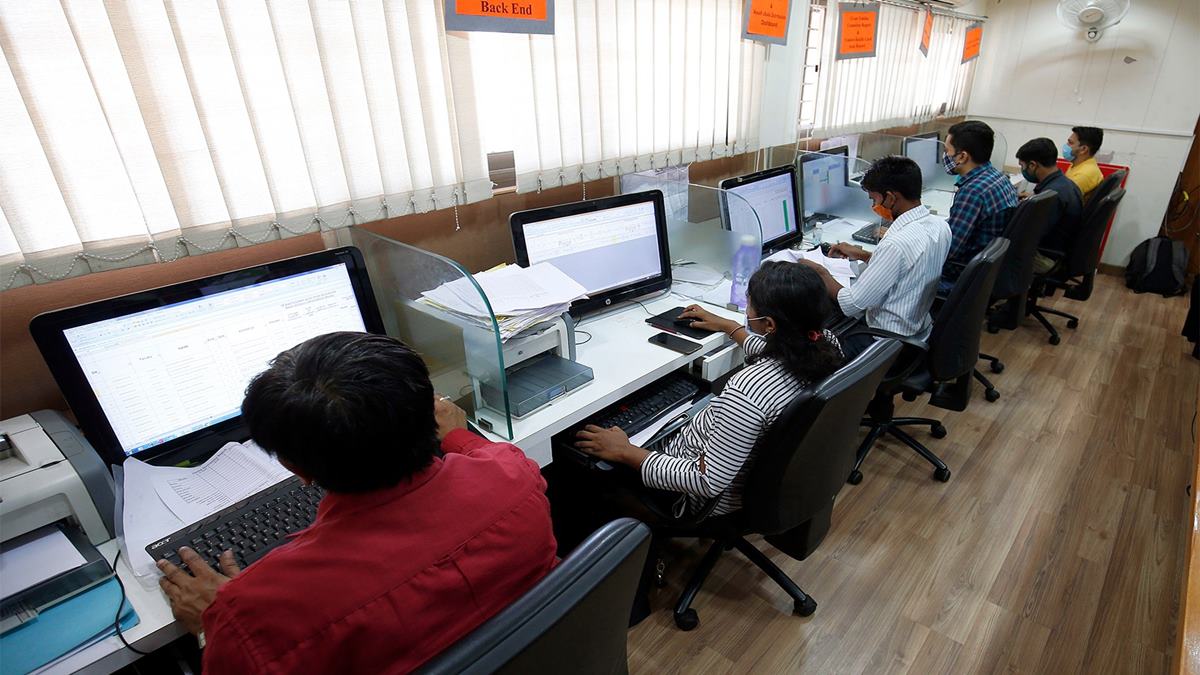
India’s strength lies in its people. Every year, 2.3 million STEM graduates — students of science, technology, engineering, and mathematics — enter the workforce, equipped to handle modern technology and emerging AI applications. “With their core strengths, they have become a powerhouse in themselves, capable of engaging with modern technology,” he added.
The upcoming AI Summit, starting Monday, will host the global who’s who of AI in India — a testament to the country’s growing clout. “As our companies increasingly engage with these modern technologies, India is becoming the preferred source for applied artificial intelligence,” Goyal noted.
Addressing fears of AI replacing human jobs, Goyal struck an optimistic tone:
“Artificial intelligence is not going to replace human beings — it is only going to change the nature of the work that we are doing… Very often, people worry about artificial intelligence and think it will reduce jobs, but it could possibly create more job opportunities than we have today, because no other country in the world has a young population like India, or the kind of talent and skills that young Indians possess today.”
He highlighted that AI’s growth depends heavily on structured data and prepared applications, and India is poised to lead in both. Yet, he cautioned users not to blindly trust AI outputs:
“By the way, never entirely trust what you get out of artificial intelligence. You may get a document from ChatGPT or Perplexity, but I’m sure each one of you checks to make sure it’s not some chunk of garbage that has come from bots, corrupt data, or incorrectly fed information… Very often, the output you get could mislead you or take you down the wrong path.”
This, Goyal said, will create entirely new types of jobs — from cybersecurity experts to data validators — ensuring humans remain an essential part of the AI ecosystem.
“At no point do I believe that AI is going to replace human beings. The conclusive part of any process will always be under our control — it will always be in the hands of all of you,” he emphasized.
Looking ahead, Goyal argued that India is uniquely positioned to adopt and shape cutting-edge technologies, supported by free trade agreements and strategic global partnerships.
“India will be at the right sweet spot… because, ultimately, I think, the nurse will still be a human being.”
With a young, skilled workforce, growing international engagement, and a proactive approach to AI, India is fast emerging as a global agent of change, ready to lead the world into the next era of technology.