

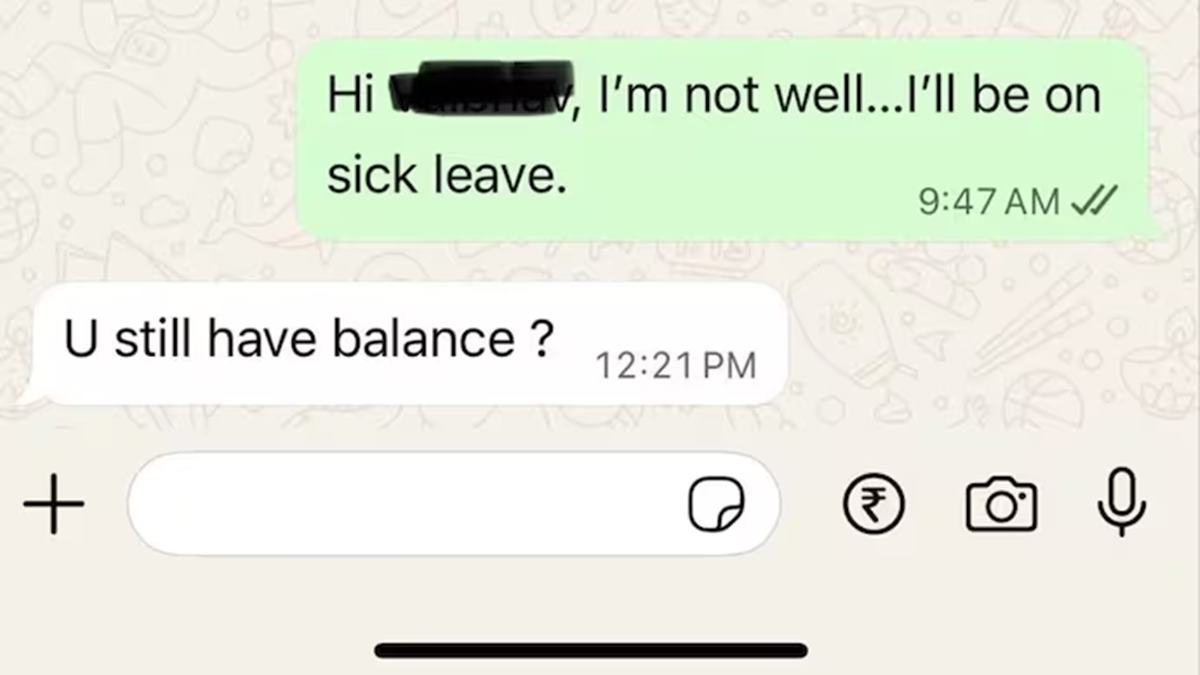




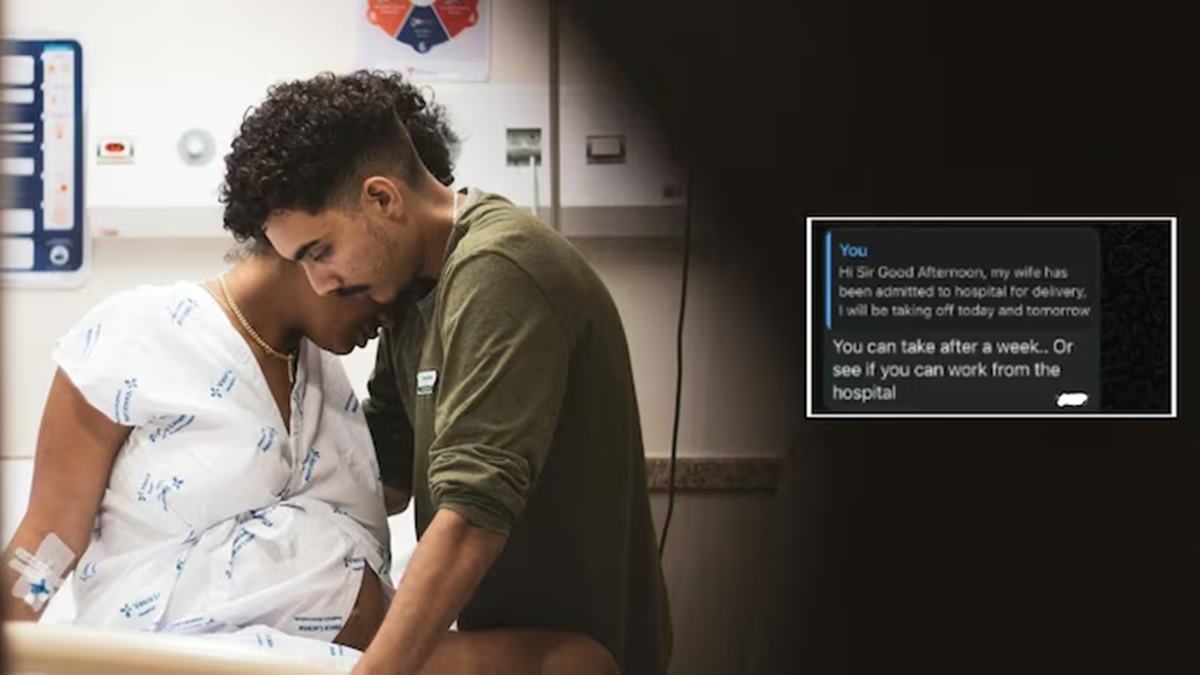












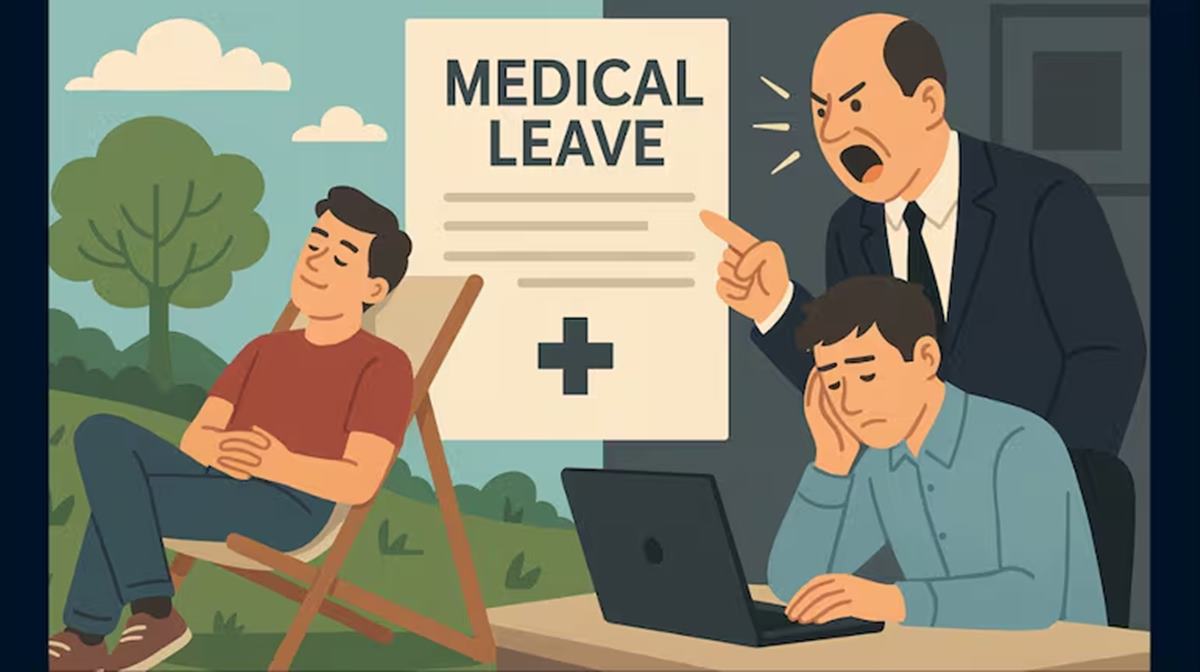
A growing number of burned-out employees in the US and UK are using medical leave not just to recover, but to quietly line up their next job— a trend that HR teams have been most uncomfortable with.
Across TikTok and other social platforms, workers stuck under what they describe as toxic managers are being encouraged to take extended medical leave instead of resigning outright. The advice is blunt: use legally protected time off to decompress, stabilise mental health, and job-hunt without the daily pressure of a hostile workplace, Fortune reported.
“If you have a full-time job with benefits and you are really struggling with your mental health, take FMLA (Family and Medical Leave Act),” the publication quoted one TikToker, @lexi.inks, telling her followers in a viral video.
The former kindergarten teacher said she took FMLA during a period of severe mental health crisis and enrolled in a 10-week intensive therapy programme that “literally saved my life.”
Lexi also claimed short-term disability allowance while on leave, and by the time she was due to return to work, she had another job lined up.
Paid leaves allocated to employees for physical, mental health problems
Under the US Family and Medical Leave Act (FMLA), eligible employees can take up to 12 weeks of job-protected leave for a serious health condition, including mental health issues tied to burnout. In the UK, statutory sick pay can cover absences of up to 28 weeks. While the leave itself is unpaid under FMLA, some workers receive short-term disability benefits, effectively giving them paid time to reset and reassess.
Fortune cited multiple examples where employees admitted they returned from leave with a new offer in hand—or never returned at all. Some social media users have gone further, openly framing medical leave as a “loophole” to escape bad bosses without burning bridges or sacrificing income.
This is where HR draws the line.
New trend raises red flags in companies
“Very generally, you can take vacations and actually have fun even if you’re on FMLA,” another creator @hr_explained said. “If you take FMLA because you have mental health struggles or you just had a baby or many other reasons, you are allowed to have fun. You’re allowed to take a vacation, and it is not considered FMLA abuse.”
But, treating it as an extended holiday or job-search break raises red flags inside organisations.
If the employee’s leave reason and activity are obviously incompatible—if you claimed you’d broken your leg, for instance, and then posted a skiing video. That would raise eyebrows and invite an investigation from your employer, the HR creator said.