











AI has slipped from buzzword to workhorse, reshaping companies and even trimming headcounts, as a UK study from Morgan Stanley flags an 8 percent drop tied to adoption. In that churn, Bill Gates spotlights a tight trio he believes must stay human led: energy, biology, and programming or IT. He argues they demand complex judgment, creative hypothesis making, and expert oversight of the very systems being deployed. Rather than a pink slip narrative, Microsoft voices like Kiran Tomlinson frame AI as a way to refit roles, even where automation looms large. Still, Gates allows the future can swerve, just as past tech waves have proved.
AI’s growing influence on the job market
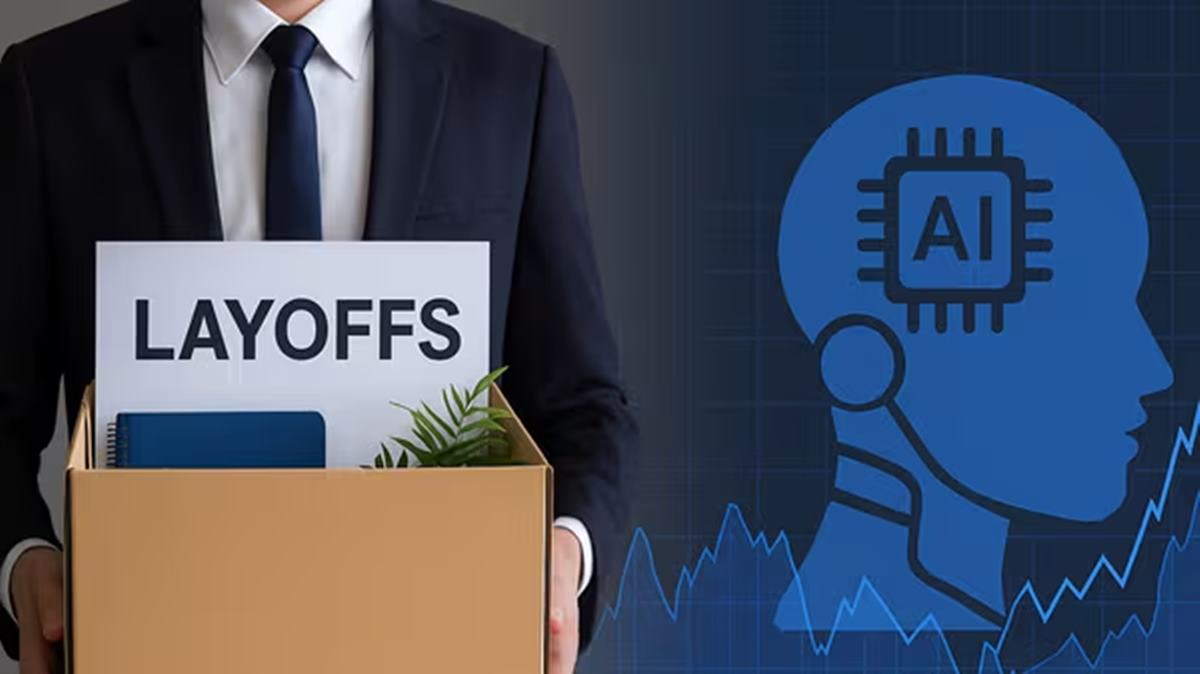
AI has moved from pitch decks to payrolls. You’ve seen it in meeting agendas, software rollouts, and reworked workflows. The shift is measurable, not theoretical: according to this study from Morgan Stanley in the UK, companies reported an 8% reduction in workforce linked directly to AI deployments (a striking figure for a mature economy). The rebalancing is underway.
Some firms now treat automation as core infrastructure, not a side project. Microsoft even flagged 40 roles as highly exposed last year, a signal that certain tasks—routine analysis, document synthesis, basic support—are already shifting to machines. Yet change is uneven. Budgets, regulation, and culture still shape whether a tool replaces, refocuses, or simply nudges a job’s boundaries.
Bill Gates: Energy, biology, and programming as key players
Bill Gates has a sharper shortlist of roles that remain resilient. He highlights energy, biology, and programming/IT as the professions least likely to be automated end to end. These fields, he argues, hinge on judgment, creativity, and systems thinking that current models can’t fully replicate or safely assume.
- Energy: grid design, dispatch, safety, crisis response
- Biology: hypothesis formation, lab strategy, clinical nuance
- Programming/IT: building, debugging, governing AI itself
Energy decisions carry physical consequences and ethical trade-offs that resist autopilot. Biology demands original hypotheses and careful experimentation, not just pattern matching. And IT remains the scaffolding: humans must design, supervise, and secure AI stacks. In short, these sectors need accountable humans in the loop.
Transformation, not elimination, of jobs
Across industries, the message is less extinction than remix. Tasks are being shuffled; job titles endure but their guts change. Roles that pair creativity, oversight, and empathy with model outputs gain leverage. The craft shifts from doing everything to deciding what matters, then verifying with care.
Microsoft researcher Kiran Tomlinson underscores the point: AI chatbots are best used to boost productivity, not to erase payrolls (as noted in an interview with Sky News’ Money team). The most durable workers will treat models as colleagues that never tire, but still need direction, critique, and context.
A future shaped by unpredictability
Gates also counsels humility: technological ripples often surge sideways. Past waves—from industrial automation to the internet—upended expectations, then produced new categories of work. Who can map the next twist? Preparedness starts with adaptability and a willingness to learn across domains, especially where the real world pushes back.
So, invest in literacies that travel: energy systems and policy, core biological principles, and practical coding fluency. Pair them with strong communication, data reasoning, and ethics. The path ahead isn’t predetermined, but the blend is clear: human judgment steering powerful tools, not the other way around (at least for now).
Source – https://3dvf.com/en/bill-gates-reveals-only-three-jobs-will-withstand-ai-s-rise/