




















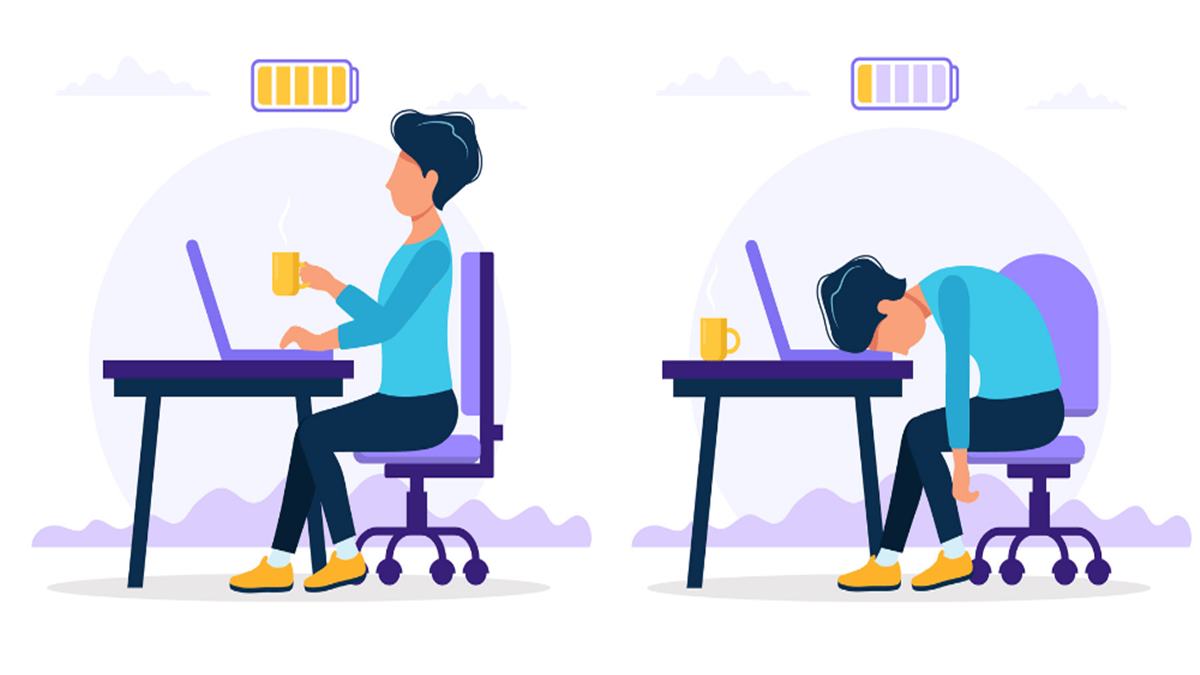
Rising anxiety and burnout are driving six of 10 workplace-related medical consultations in Mexico, highlighting gaps in mental health support and preventive care. Companies face productivity losses, absenteeism, and higher turnover, prompting adoption of targeted wellness programs, digital health tools, and structural preventive strategies across industries.
Anxiety and burnout are now the leading reasons employees seek medical care in Mexico, accounting for six of every 10 workplace consultations, according to the 2026 Radiografía de la Salud Laboral study by Sofía. Organizations and health experts warn that these mental health issues are affecting productivity and underscore the need for preventive strategies.
“Many patients do not initially report mental health concerns,” says Marcela del Águila, Medical Director, Sofía, to El Economista. “They come complaining of insomnia, chronic fatigue, or gastritis, and the physician identifies these as linked to sustained stress.” Seven out of 10 occupational doctors attribute mental health deterioration directly to workplace factors.
Mental Health Challenges and Operational Impact
The Sofía report indicates that 37% of work-related medical consultations are linked to anxiety, 26% to workplace stress or burnout, 11% to depression, and 10% to sleep disorders. HR leaders report that stress is the top factor reducing employee performance, ahead of turnover. Meanwhile, 57% of talent managers noted an increase in burnout over the last two years.
Despite the prevalence, only 36% of companies maintain an open culture to discuss mental health, creating a gap between compliance with Mexico’s NOM-035 regulation and effective preventive practices.
The economic consequences can be large, as work-related stress, absenteeism, and turnover generate measurable losses. Carlos Ferrer, Director General, Pluxee Mexico, explains that replacing frontline workers costs between US$1,500 and US$2,500 per employee, while mid-level replacements can reach up to 150% of annual compensation. Financial concerns among employees further reduce productivity, with one in three full-time workers admitting that personal finances affect job performance.
Women’s Health Gains Corporate Attention
Burnout and stress disproportionately affect women, prompting companies to adapt wellness strategies. The Mind Health Report 2025 shows that 84% of women report mental health impacts from workplace stress, and one in four took medical leave for psychological reasons in the past year. Structural factors, such as caregiving responsibilities and economic disparities, amplify the effects.
“Investing in women’s health is investing in business sustainability,” says Lina Vanegas, Head of Marketing for Mexico, Betterfly. “Organizations that prioritize female employees’ well-being reduce workplace risks and strengthen engagement, productivity, and culture.” Companies are increasingly integrating preventive healthcare, digital wellness platforms, and femtech solutions to address historically underfunded areas of women’s health.
Financial modeling supports these initiatives. Research from the World Economic Forum and Boston Consulting Group indicates that every dollar invested in women’s health can generate three dollars in economic return through improved productivity and participation.
Prevention as a Strategic Imperative
Industry leaders argue that preventive strategies must be central to corporate health programs. “Prevention is not a complement to insurance; it is its natural evolution. Organizations that anticipate health risks reduce absenteeism, strengthen engagement, and improve resilience,” says Fernando Lledó, CEO, Bupa Mexico.
New tools, such as the Transdiagnostic Hyperarousal Dimensions Questionnaire (THDQ), allow for more precise assessment of mental health profiles, enabling tailored interventions for employees experiencing hyperarousal, insomnia, or stress-related disorders. Studies suggest chronic sleep disruption, a common symptom of workplace stress, contributes to long-term cognitive decline and increased dementia risk.
Ximena Hernández, CEO, Happy Clinic, highlights the operational advantage of integrating human sustainability into system design. “Organizations that reduce unnecessary friction and support psychological safety enhance judgment, retention, and credibility,” she says.
Experts note that addressing mental health in the workplace requires more than wellness campaigns; it involves structural changes, continuous education, and ongoing support. Companies must implement screening programs, personalized risk assessments, and accessible telemedicine services while fostering an organizational culture that prioritizes psychological safety.
Mexico’s workforce faces mounting pressures from mental health challenges, chronic diseases, and structural inequities in access to care. While compliance with regulations like NOM-035 establishes a baseline, meaningful preventive strategies remain limited. The convergence of expert insights, research data, and corporate experience demonstrates that employee well-being is not only a HR concern but a strategic business imperative.
Investing in mental health, particularly among women, can enhance productivity, reduce absenteeism, and support long-term business sustainability. As burnout and anxiety continue to dominate workplace health consultations, companies that adopt preventive, personalized, and structural approaches will likely gain a competitive advantage in talent retention, operational stability, and organizational culture.
Source – https://mexicobusiness.news/talent/news/anxiety-burnout-drive-workplace-health-focus-mexico