



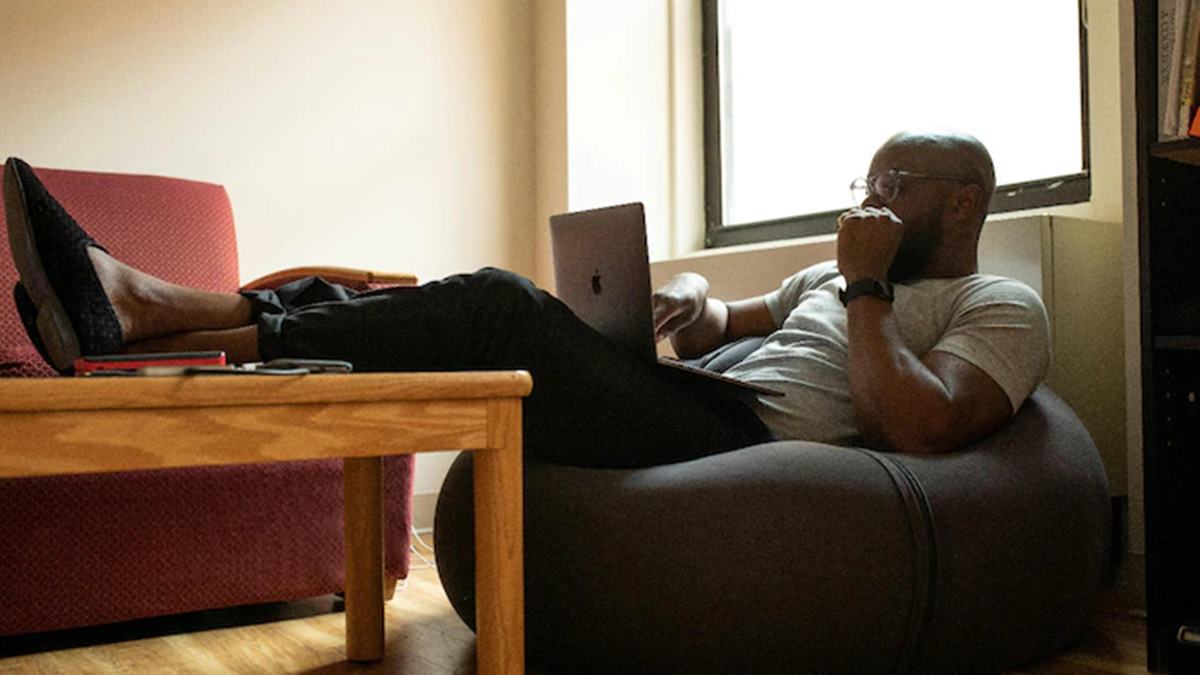













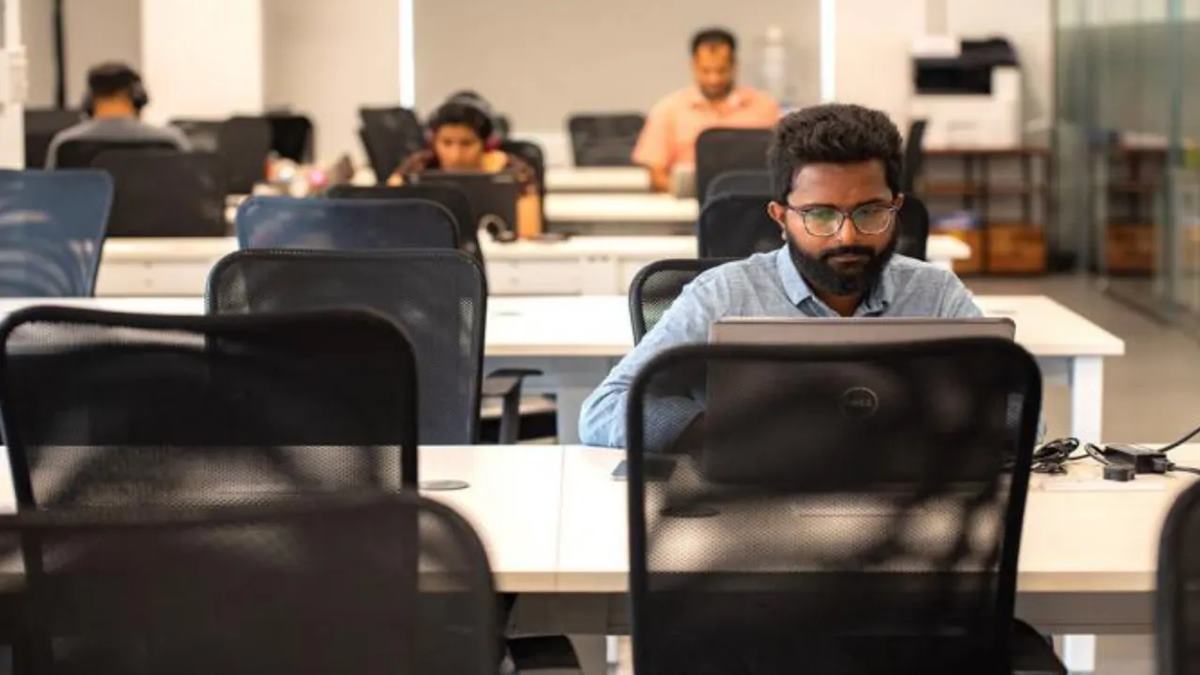



An unhappy staff member recently highlighted what he described as a glaring imbalance in workplace spending priorities. Posting on the Reddit community r/AntiWork, he vented about the contrast between executive luxury and employee welfare. According to his account, while the company’s chief executive proudly displayed an extravagant chair worth around $3,000—approximately Rs 3 lakh—he was informed by the human resources department that support for his worsening spinal condition would not be financed by the organization.
The employee explained that he had been with the firm since 2019, spending the majority of his workdays seated at a desk for eight to ten hours. Over time, persistent lower back pain had intensified to the point where it began interfering with his daily comfort. When he approached HR to request ergonomic improvements, he was told that such expenses were not currently allocated in the company’s budget. The response left him stunned, especially given what he perceived as contradictory spending elsewhere.
During a company-wide meeting around the same period, the founder reportedly showcased a newly acquired premium chair—an imported, high-end model whose price exceeded the employee’s monthly rent. The worker clarified that he did not object to the executive purchasing luxury items with personal funds. However, he questioned how resources seemed readily available for top leadership’s comfort while modest ergonomic adjustments for staff were deemed unaffordable.
Seeking clarity, he asked HR what qualified as acceptable reimbursement for health-related equipment. The explanation he received was vague and lacked a defined policy. He was told that approval would depend on circumstances and possibly require medical documentation, though even then there were no guarantees. Frustrated by the ambiguity, he began researching alternatives independently.
He noted that despite the company providing recognized office brands such as Steelcase, his experience with those chairs had been disappointing. After trying a friend’s more affordable model from Nouhaus over a weekend, he realized that a reasonably priced mid-range option felt far more supportive than the corporate-issued seating. The discovery left him conflicted. Although he considered purchasing his own chair to protect his health, he felt resentful about having to personally finance equipment necessary for his job.
He argued that if an employer requires full-time desk-based work, providing proper ergonomic support should be a fundamental responsibility. He even assured HR that he would leave the chair behind if he ever departed the company, effectively replacing the existing office furniture at his own expense. Despite that concession, his request was still declined.
The post concluded with him asking others how their workplaces handle ergonomic needs—whether companies provide fixed stipends or require employees to negotiate each expense individually.
The discussion sparked strong reactions. One commenter cautioned against sacrificing long-term health for corporate cost-cutting, advising him to prioritize his well-being and invest in quality seating regardless of the company’s stance. Another suggested labeling any personally purchased chair clearly as private property, keeping proof of purchase, and openly acknowledging that it was bought due to the company’s unwillingness to provide adequate support.