















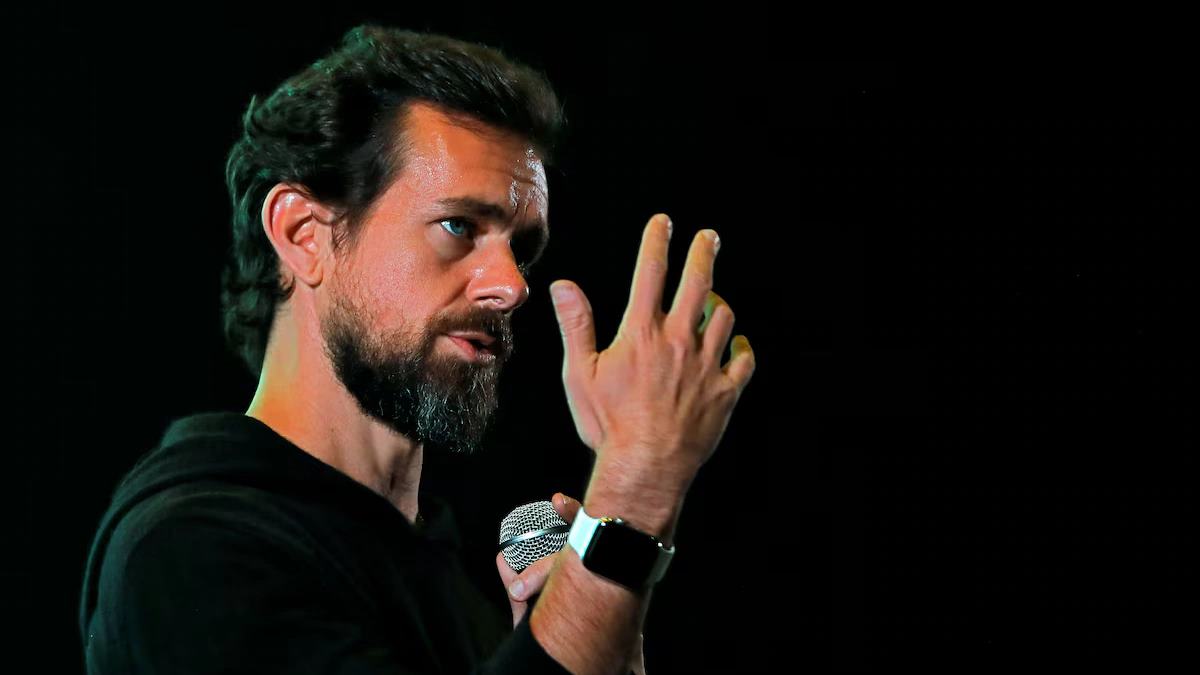
Jack Dorsey, the ex-CEO of Twitter (now X) and the current CEO of Block Inc, has sparked a new debate regarding AI in the workplace, especially just weeks after his company fired 4,000 employees, which is essentially half of its workforce.
In a recent blog post co-authored with Sequoia Capital partner Roelof Botha, Dorsey shared a new vision for the future of work – shifting from old hierarchical management structures to “intelligence-native” organisations powered by AI.
“There is no need for a permanent middle management layer. Everything else the old hierarchy did, the system coordinates, and everyone is empowered, with a role that’s much closer to the work and the customer,” stated Dorsey.
Dorsey argued that AI can handle much of the coordination, communication, and oversight that are traditionally performed by middle managers, thereby allowing smaller teams to operate more efficiently.
Dorsey’s sees move from Hierarchy to Intelligence
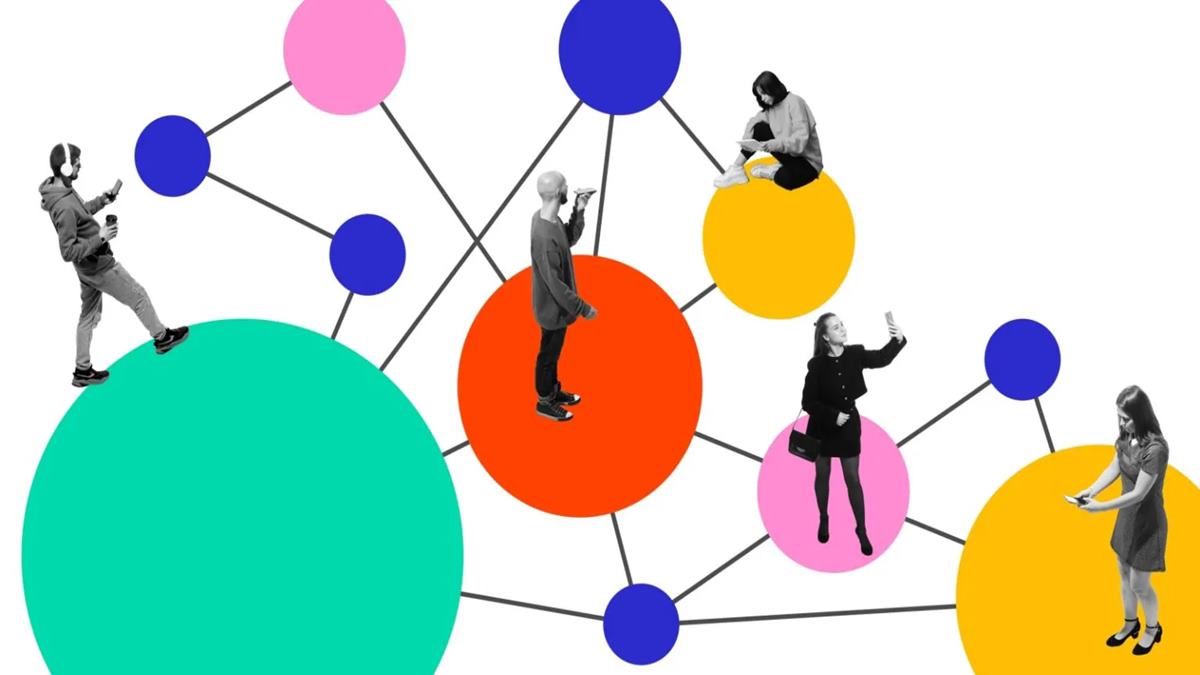
In the co-authored post titled “From Hierarchy to Intelligence,” Dorsey and Botha propose reorganising companies around three core roles enabled by AI:
Individual contributors — Deep specialists who receive direct context and instructions from AI models.
Player-coaches — Leaders who combine hands-on work with talent development, replacing traditional managers.
AI management – AI systems that eliminate the need for permanent middle management layers.
Dorsey has repeatedly suggested that most companies will soon reach the same conclusion in the AI age. He predicted that AI will transform organisational structures, reducing bureaucracy and enabling faster decision-making. “There is no need for a permanent middle management layer,” the post stated.
Traditionally, middle management served as an “information routing protocol” to overcome human limitations in span of control. Block argues that in a modern, remote-first environment, AI can replace this coordination layer. By leveraging a “company world model” built from digital artefacts and a “customer world model” fueled by real-time transaction data, the system itself—rather than a chain of command—maintains alignment, tracks progress, and identifies what needs to be built.
Massive layoffs at Jack Dorsey’s Block
Block, which owns Square, Cash App, and Afterpay, announced in late February 2026 that it would cut approximately 4,000 roles, eventually reducing its headcount from over 10,000 to just under 6,000 employees. Dorsey described the move as a strategic bet on AI, stating that “intelligence tools have changed what it means to build and run a company.”
He went on to state that a significantly smaller team equipped with advanced AI tools can deliver better results faster. In communications to employees and shareholders, Dorsey noted that the company is still actively hiring AI specialists even as it slashes other positions. Block’s stock surged more than 20% following the announcement, reflecting approval from investors of the aggressive AI-first restructuring.