








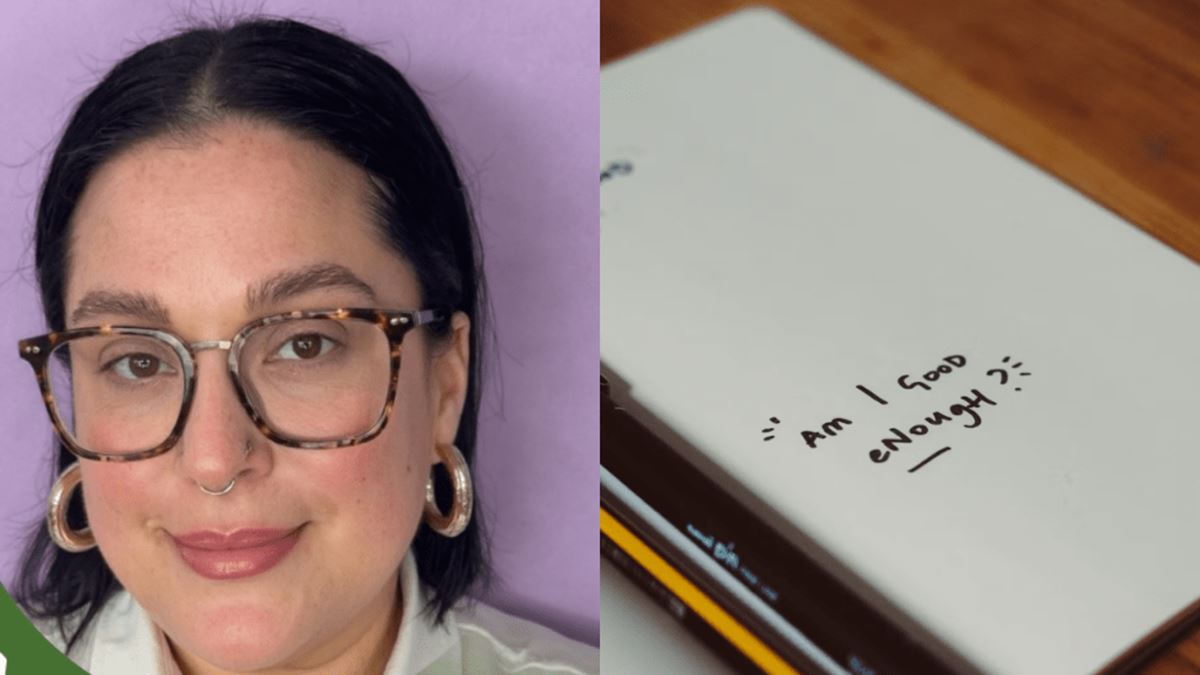






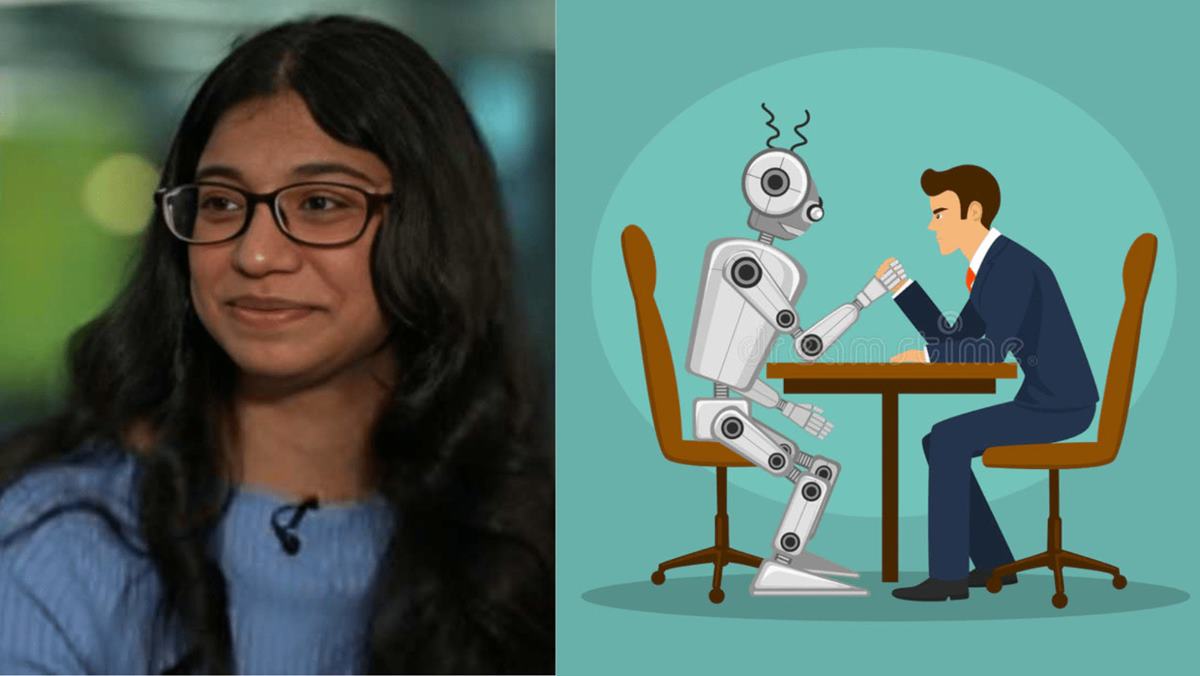
For 20-year-old third-year business student Bhuvana Chilukuri, the job hunt in UK has become less about conversations and more about algorithms. This Indian origin student at Queen Mary University of London says she has applied to more than 100 roles without receiving a single offer. Chilukuri stated that the process feels increasingly impersonal and unforgiving. “There are moments where I applied and I got a rejection less than two minutes later, which is really horrible,” she told BBC.
A hiring process that is all about algorithms
Chilukuri believes most of her applications never make it to a human recruiter. Instead, they are filtered out at the very first stage by artificial intelligence systems. “The first step is AI screening your CV. You can get rejected at that stage. Then the next process would maybe be an AI video interview,” she told the BBC.
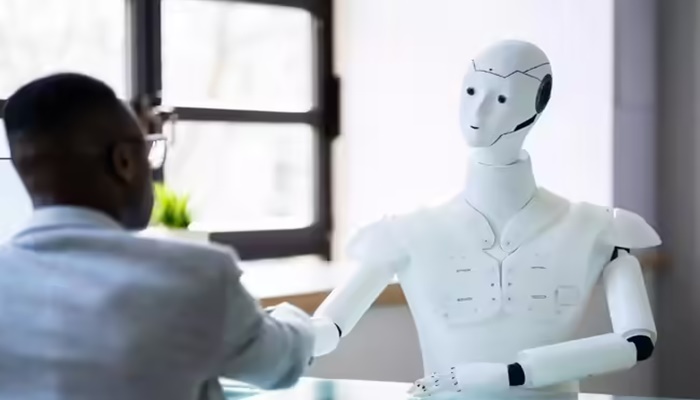
Even the interview stage, she says, lacks human interaction. Candidates are often required to record responses while staring at their own screen, a format she finds emotionally draining. “I do tend to feel like a robot, because you’re just seeing yourself on screen, and answering questions for almost 20 minutes. You become sort of monotone. You don’t speak to anyone, and it takes away your personality. It’s quite sad,” she said, according to the BBC.
A tougher market for young graduates
Opportunities for entry-level roles have tightened a lot since the post-pandemic hiring surge. With vacancies dropping and hiring costs rising, companies have become more selective and more reliant on technology to manage the volume of applications.
According to data cited by the BBC, a large majority of UK recruiters are planning to increase their use of AI in hiring this year. The systems help companies process thousands of applications quickly, but they also risk filtering out candidates before any human review.
When candidates turn to AI too
Chilukuri acknowledges that employers are dealing with an overwhelming number of applications. But she also points out that candidates are responding in kind by using AI tools themselves.
“They’re getting floods of applications. So I don’t blame them. But it’s coming to a point where students are becoming lazy. They’re like ‘if you’re going to screen with AI, I’m going to apply with AI. And they use AI to write their CVs. I don’t blame them either. Everyone’s trying to figure it out,” she said, as quoted by the BBC.
This growing cycle that is starting from AI screening AI-generated applications is making it harder for employers to distinguish between candidates, further complicating the hiring process.
Some employers argue that AI could actually improve fairness in recruitment by reducing human bias and ensuring consistency. Companies dealing with thousands of applications per role are increasingly experimenting with AI-driven tools to streamline early screening. However, Chilukuri remains unconvinced. “I don’t trust the AI, I think I’ll always trust a person. But it’s hard to get the opportunity to see the person,” she told the BBC.
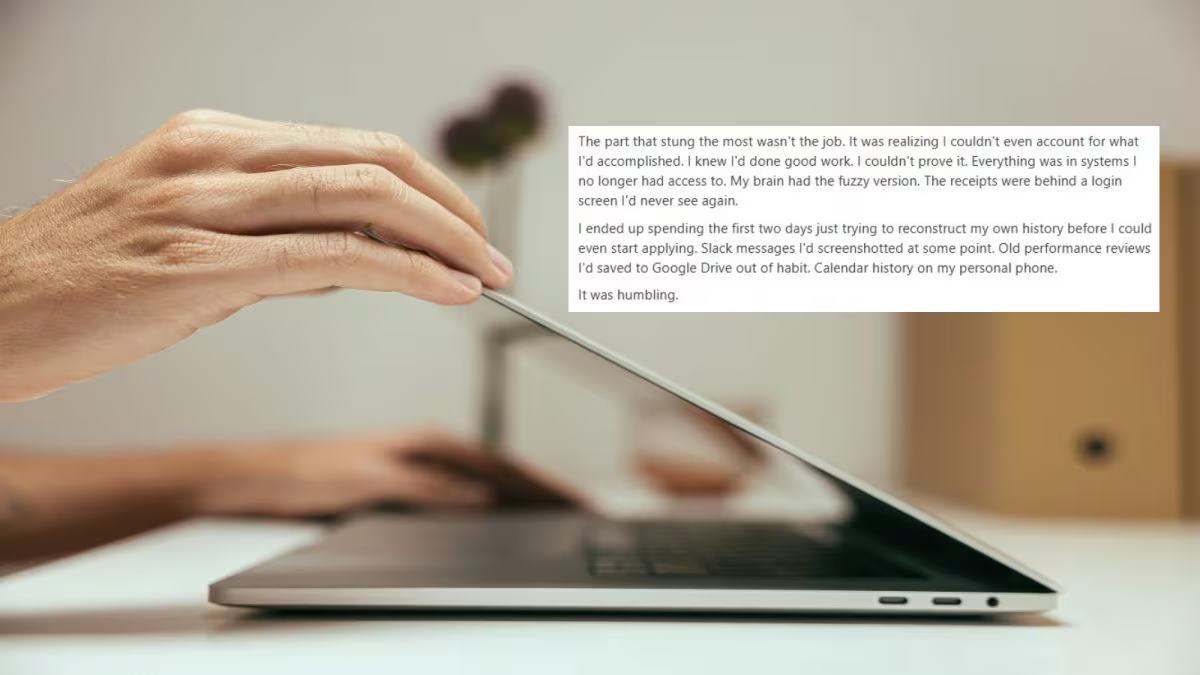
As graduation approaches, Chilukuri’s frustration is shared by many young job seekers trying to enter an increasingly competitive and automated job market. “It’s robotic. It’s brutal,” she said, summing up an experience that is becoming all too common.