















It is 8:45 AM., and you have barely settled in. One meeting spills into the next, an AI tool is already condensing yesterday’s emails, your phone lights up with yet another message, and in between, real-life concerns quietly compete for attention. You try to keep up, but the pace does not slow down.
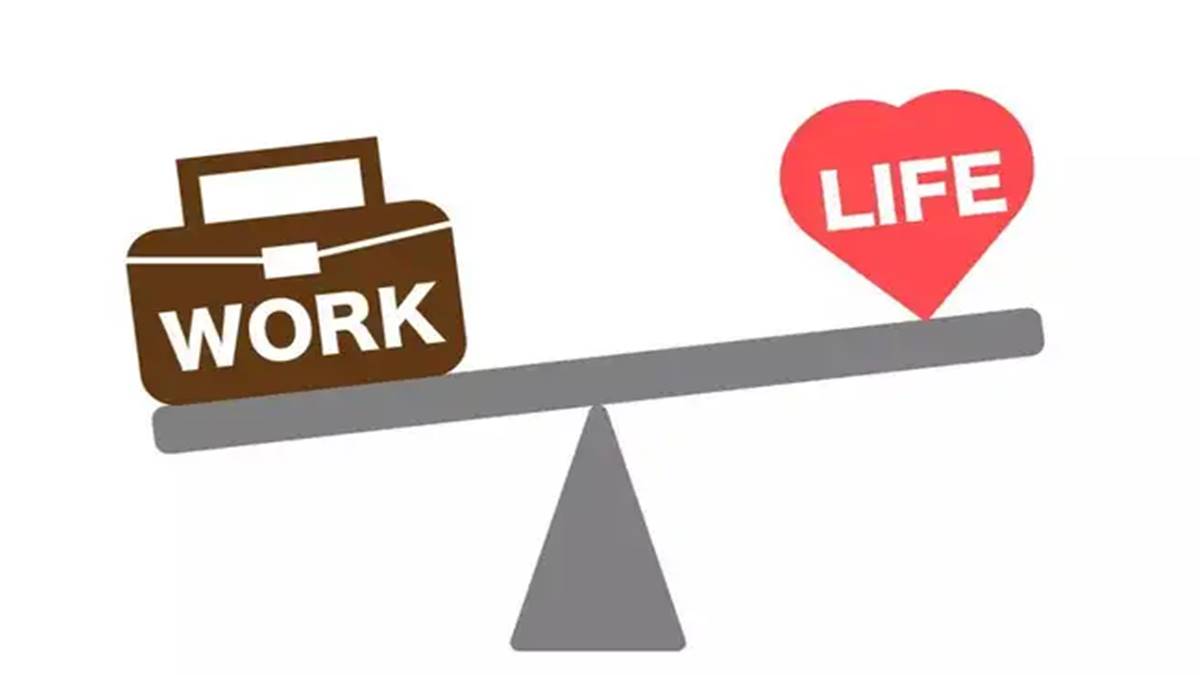
Work in 2026 is different- constantly connected, always moving, and, at times, extremely overwhelming. The boundary between work and personal life no longer feels clear; it shifts throughout the day. And while everyone is chasing some version of balance, the reality is that what works for one employee may feel completely out of reach for another.
Observed every year on 7 April, World Health Day in 2026 carries the theme “Together for health. Stand with science,” drawing attention to an important concern-the steady decline in employee mental health. Longer working hours, financial strain, blurred boundaries in hybrid work, and the rapid rise of AI are collectively pushing many employees towards burnout, making it increasingly difficult to maintain a healthy work-life balance.
What stands out is how much employees value balance, even in this high-pressure environment. According to Randstad Workmonitor 2025 report, over 83% of employees worldwide would turn down a higher-paying job if it meant compromising their work-life balance. Yet, nearly half feel that AI benefits company output more than their own wellbeing. Instead of freeing up time, technology often leads to higher expectations, filling any time saved with more tasks rather than rest.
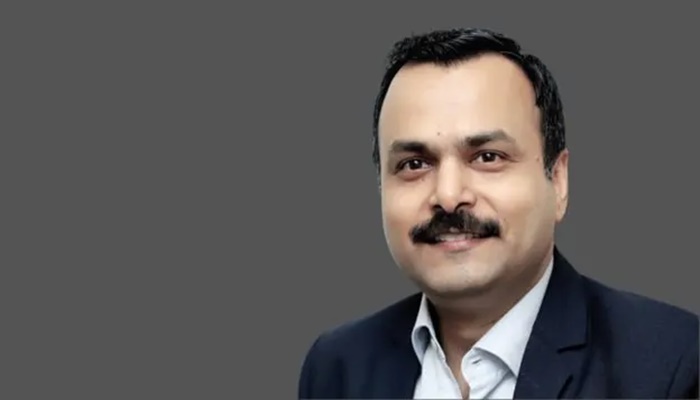
Dr. Vikram Thaploo, CEO, Apollo TeleHealth and Director & CEO, Apollo Telemedicine Networking Foundation, explains how this is playing out. “Workplace mental health is no longer something companies can overlook; it’s becoming a real, everyday challenge for employees. Long hours, constant pressure, and being always connected are making it harder for people to switch off and recharge.”
Hybrid and remote work, now accessible to nearly 79% of remote-capable employees, has added another layer to this shift; on one hand, it offers flexibility, on the other, it has blurred boundaries further. Notifications extend into evenings, weekends no longer feel entirely off, and the expectation to respond quickly remains constant.
This constant connectivity feeds into a deeper issue, burnout that builds quietly over time. Surg Commodore (Dr.) Sunil Goyal (Retd), Senior Consultant – Psychiatry at Sarvodaya Hospital, highlights this pattern. “Work stress doesn’t always show up loudly; it often builds quietly through long hours, constant notifications, and lack of real breaks.”
Health Risks You Cannot Ignore
The impact is not just mental, it is physical too. Research by the World Health Organization and the International Labour Organization shows that working more than 55 hours a week is linked to a 35% higher risk of stroke and a 17% higher risk of dying from heart disease. Poor work-life balance also contributes to chronic stress, which can lead to anxiety, depression, sleep issues, irritability, and emotional exhaustion.
At an organisational level, the effects are equally significant. Burnout often results in higher absenteeism, more frequent errors, reduced creativity, and lower productivity. Over time, it leads to disengagement and increased employee turnover, something many companies are already grappling with.
What Employers And Employees Can Do
What this really means is that productivity and wellbeing are closely linked. When one declines, the other inevitably follows.
Dr. Thaploo points towards practical solutions that can make a real difference. “Simple steps like flexible work hours, easy access to counselling, and regular check-ins can make a big difference. Digital platforms can also help employees seek support without hesitation.”
These are not large structural changes, but they are meaningful. Flexible schedules help employees manage their time and energy. Counselling services provide a safe outlet. Regular check-ins ensure that stress is addressed early rather than ignored.
Dr. Goyal also stresses the importance of individual habits. “Take short pauses between tasks, step away from your screen, and give your mind time to reset. Setting clear boundaries after work hours is equally important.”
It is like saying that rest is not separate from productivity, it supports it. Without proper recovery, even the most efficient systems begin to fail over time.
AI and evolving work structures are not going anywhere. What can change is how organisations respond to them. A workplace that encourages open conversations, respects boundaries, and actively supports mental health is far more likely to sustain both its people and its performance.
Because in the end, employee wellbeing is not just a personal concern. It sits at the centre of how work itself is changing.