
















In today’s fiercely competitive corporate world, job switches have almost become a strategic move rather than a risky leap. Professionals often look beyond just a paycheck, seeking better growth opportunities, broader exposure and roles that challenge their skill sets. While salary hikes remain a strong motivator, factors like work culture, learning potential and career progression play an equally important role. But recently, career counsellor Simon Ingari shared a post on his X-handle that offers a contrasting perspective to the typical job switch trend.
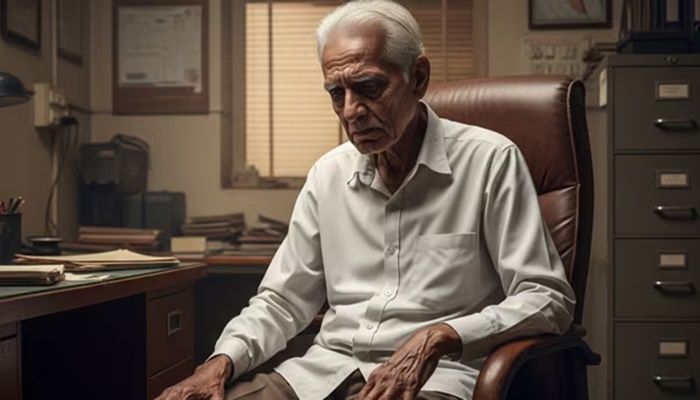
In the post, Simon Ingari recounted the story of an employee who, despite being a top performer in the company, chose not to make a workplace shift. Interestingly, that individual was a part of the organisation for a decade. But his reason for making the unorthodox decision would definitely make you pause and think. And no, it wasn’t because he received a hefty paycheck or was granted lucrative bonuses.
Compassion over compensation
According to Simon Ingari, when he asked the employee why they had stayed with the same organisation for 10 years, he expected a conventional answer centred around salary or bonuses. The response, however, turned out to be far more personal and revealing.
The employee shared that during a difficult phase marked by a family emergency, his company’s manager responded with empathy rather than scrutiny or sharp professionalism. There were no demands for medical proof or questions about his performance. Instead, the manager simply reassured the employee to focus on their family during their time of need, offering unwavering support during a critical situation.
Hidden factor behind long-term employee loyalty
The anecdote, as highlighted by Simon Ingari, underlines a deeper truth about employee retention. Professionals who choose to stay back at their companies for years are not merely driven by perks or financial incentives, but by how valued and supported they feel within the organisation. He emphasised that in today’s evolving workplace, workplaces need to move beyond viewing employees as mere resources and instead recognise them as individuals with real lives and challenges.
In conclusion, Simon Ingari pointed out that while benefits like free snacks or aesthetically designed offices may enhance appeal, what truly retains an employee is psychological safety and emotional security. A workplace where employees feel understood, respected and supported, especially during vulnerable moments, is what ultimately builds long-term loyalty and trust.