
















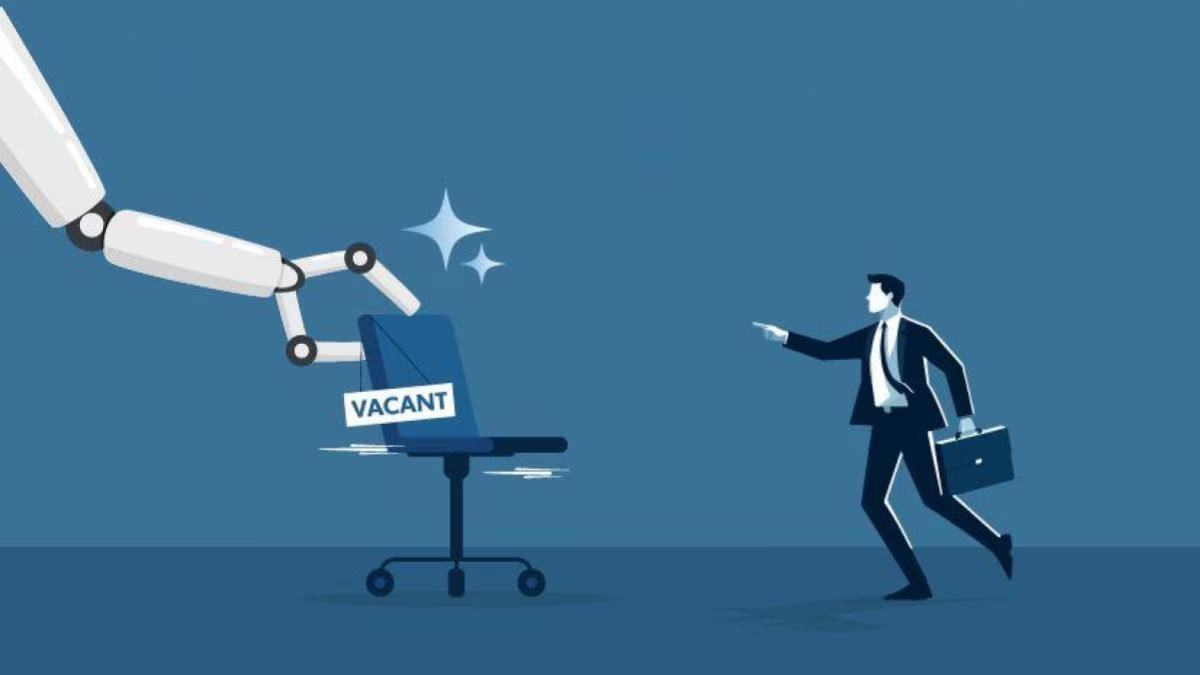
The mass layoff era is not over. If anything, it is accelerating.
Big Tech, which had already shed tens of thousands of jobs through 2024 and 2025, continued trimming headcounts in early 2026. The companies have cited AI-driven automation as a key reason for reducing human workforces. The retail sector has not been spared either, with several major chains announcing store closures and workforce reductions amid weak consumer sentiment and high interest rate pressures.
In the first quarter of 2026 alone, major technology firms, including several Silicon Valley giants, have continued to aggressively trim their workforce. The rationale is consistent across boardrooms — AI-driven automation, cost rationalisation and the need to stay competitive in what executives are calling an “AI-first” economy.
Across product development, engineering and middle management, thousands of employees have been impacted. According to Business Insider, the following companies are currently undertaking job cuts in 2026:
A broad-based retrenchment
According to the data compiled by layoff monitoring tool WARN Tracker, Business Insider reported that more than 100 companies have filed legally mandated notices of upcoming layoffs in 2026. Some of these reductions were previously announced.
A 2025 World Economic Forum survey found that 41% of companies worldwide expect to reduce their workforce within five years due to AI adoption. That projection now appears less speculative and more predictive.
Big tech leads, but not alone
Among the most prominent announcements this year, Amazon revealed in January that it would eliminate approximately 16,000 corporate roles globally, BI reported. This followed an earlier round of 14,000 job cuts in October 2025. The company has framed the decision as part of an effort to reduce internal bureaucracy and streamline operations.
Enterprise software firm Atlassian is also undergoing a major transformation, cutting around 1,600 employees, roughly 10% of its workforce. CEO Mike Cannon-Brookes acknowledged the growing influence of AI on workforce composition. In a statement to BI, he noted that while AI does not replace people outright, it fundamentally alters the mix of skills required.
Financial services giant Citi also continued to execute its previously announced plan to reduce its workforce by 10%, amounting to around 20,000 employees. The bank aims to align staffing levels and expertise with evolving business needs, a move expected to generate up to $2.5 billion in savings.
Dell has also reduced its workforce by 10% for the third consecutive year. As of January 2026, its employee count stood at 97,000, down by 11,000 from the previous year. The decline reflected both layoffs and attrition.
Strategic realignment across sectors
Beyond Big Tech, companies across industries are making similar moves.
E-commerce platform eBay is expected to cut about 800 jobs globally, representing 6% of its workforce, Business Insider report further stated. Gaming company Epic Games has announced layoffs affecting over 1,000 employees or 20% of its staff, citing declining engagement with its flagship title, Fortnite. Notably, Epic’s leadership emphasised that these cuts were not directly linked to AI, highlighting that multiple factors are driving workforce reductions.
In the consumer goods sector, Heineken has unveiled a multi-year plan to eliminate between 5,000 and 6,000 roles to boost productivity amid subdued consumer sentiment in key markets. Similarly, Kenvue, the consumer healthcare company behind Tylenol, plans to reduce its workforce by 3.5% as part of efforts to simplify operations and improve efficiency.
Logistics and supply chain players are also undergoing significant restructuring. UPS has announced plans to eliminate 30,000 jobs in 2026 through attrition and voluntary separation programmes, alongside the closure of multiple facilities. Meanwhile, Australia-based software firm WiseTech is cutting 30% of its workforce, around 2,000 employees, explicitly citing AI-driven productivity gains.
The AI inflection point
If there is a single thread connecting these developments, it is the rapid integration of artificial intelligence into core business functions. AI is no longer a supplementary tool; it is becoming the central engine of productivity.
Companies such as Meta and Pinterest are actively restructuring to prioritise AI capabilities. Meta has initiated layoffs across several divisions, including its Reality Labs unit, as it shifts focus away from virtual reality and toward AI infrastructure. The company is reportedly investing heavily in AI talent and systems, even as it reduces headcount in other areas.
Pinterest, too, has announced a restructuring plan affecting less than 15% of its workforce, explicitly linking the move to its “AI-forward strategy”. The company is simultaneously reducing office space and hiring employees with AI expertise.
Human cost and policy challenge
While companies emphasise efficiency and competitiveness, the human impact of these changes is significant. Job losses on this scale raise concerns about income security, skill mismatches and the capacity of labour markets to absorb displaced workers.
For policymakers, the challenge is twofold. First, there is a need to strengthen social safety nets to support those affected. Second, and perhaps more critically, there is an urgent requirement to invest in reskilling and upskilling initiatives that prepare workers for an AI-driven economy.
Countries that can effectively bridge this transition may emerge more resilient. Those that cannot risk widening inequality and social dislocation.