














Duolingo has stepped back from evaluating employees based on their use of artificial intelligence, nearly a year after introducing the metric as part of its “AI-first” approach.
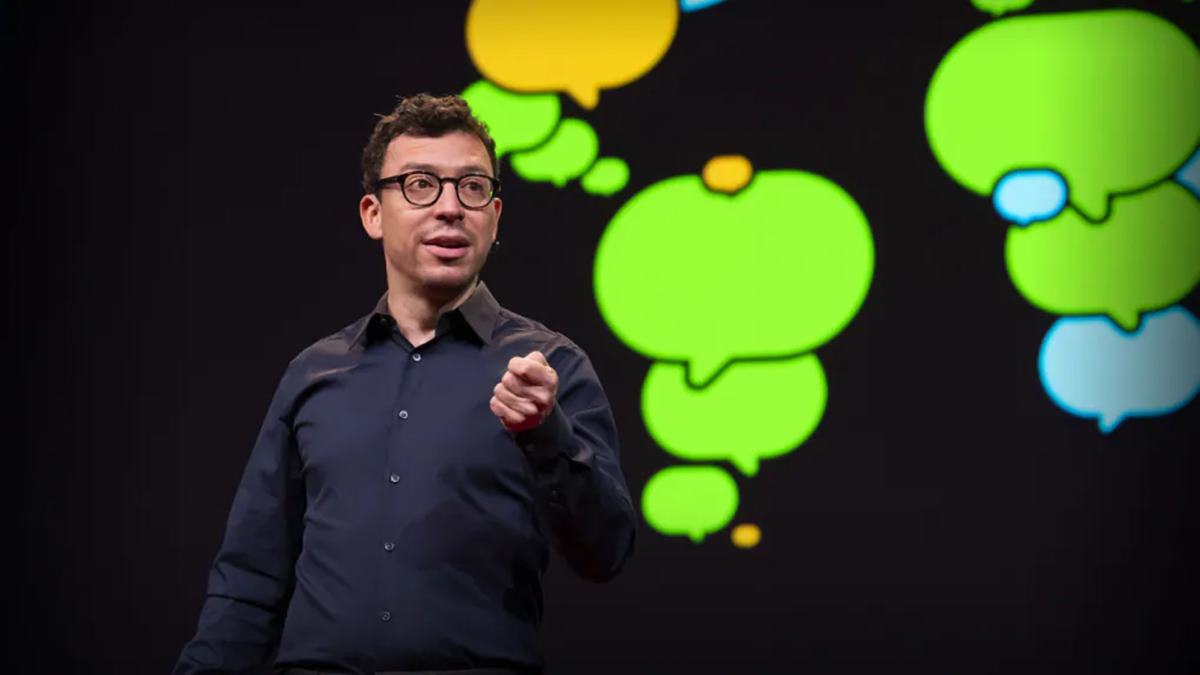
The shift marks a reversal from April 28, 2025, when chief executive Luis von Ahn announced that employees would be assessed on how effectively they used AI in their roles. The policy had triggered public backlash, with von Ahn earlier stating to the Financial Times that he did not anticipate the level of negative response, including users threatening to delete the app.
Speaking on the Silicon Valley Girl podcast last week, von Ahn described internal feedback from employees, noting that some questioned whether the company was encouraging AI use for its own sake rather than for meaningful outcomes. He stated that the company has since backtracked on the approach, adding, “No. Look, the most important thing in your performance is that you are doing whatever your job is as well as possible. A lot of times AI can help you with that. But if it can’t, I’m not going to force you to do that.”
He further stated that the earlier policy created a sense that employees were being evaluated on AI usage rather than actual results, even in cases where AI tools did not align with their work.
The revised stance contrasts with a broader trend among companies increasingly incentivising AI adoption. Until recently, Meta had an internal leaderboard ranking the top 250 users of AI tools based on token usage. Meanwhile, employees at marketing automation platform Omnisend are set to receive salary increases of 2 to 4 per cent based on measurable outcomes from their AI usage, including time and cost savings and adoption of workflows.
However, a global survey by WalkMe, a subsidiary of SAP, found that more than a third of employees avoided using AI tools for certain tasks, citing disruptions to workflow and increased time requirements, as per a Fortune report.
Concerns around AI also extend to job security, with many employees viewing the technology as a potential threat to their roles. Von Ahn’s earlier AI-first declaration had indicated that contractors could be replaced with AI, raising further concerns.
He has since clarified that he does not expect AI to replace employees, but instead aims to empower them to use the technology effectively. He stated that AI is not yet superior to humans in areas such as coding, adding that engineers will remain essential for the foreseeable future. He also noted that AI-generated code can be difficult to debug and is not consistently reliable for tasks such as content creation, as reported by Fortune.
In a statement to Fortune, Duolingo stated that it has long used AI to personalise learning and expand access, adding that while technology remains central to its operations, human judgement, expertise and creativity continue to drive decision-making, with AI serving as a supporting tool rather than a replacement for employees.