


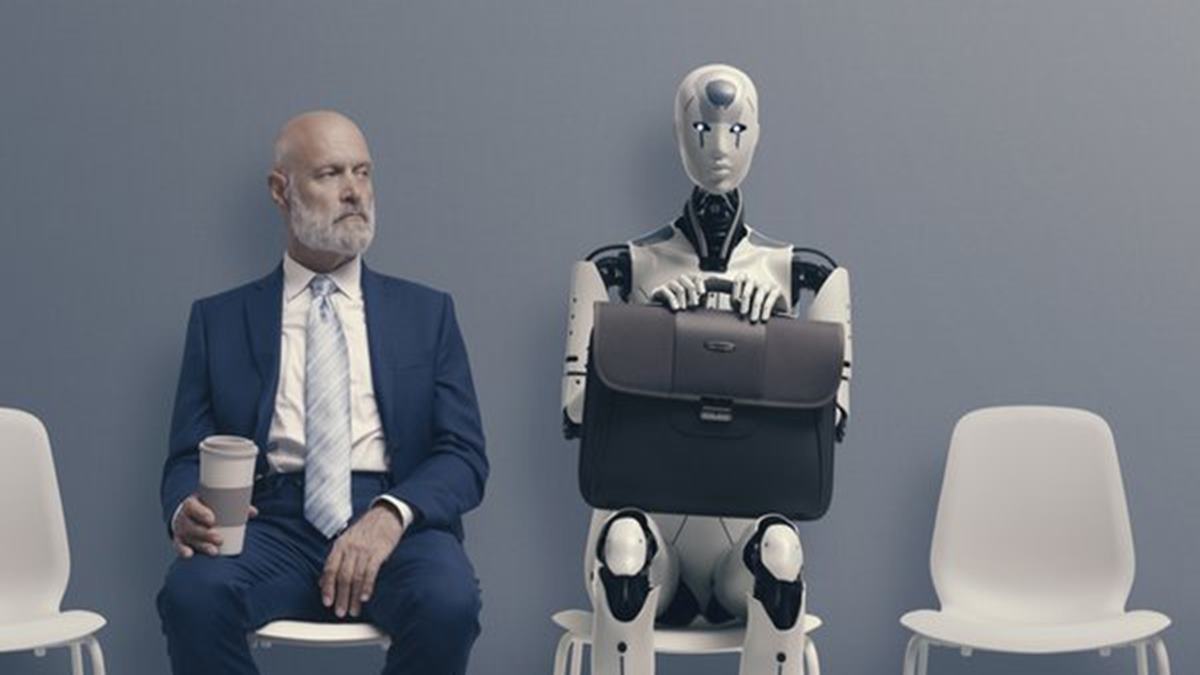









For those who fear AI is going to take away jobs and possibly even destroy humanity, my view is 100% the opposite.
No doubt, the employment landscape is changing. There is no denying that AI is impacting jobs. Fears of technological unemployment are as old as technology itself. Many innovations over the centuries have caused job displacement.
I’m in the CX (customer experience) world, where some say that AI-fueled self-support options will eliminate the need for live agents to support customers. I’ll go back to the original comment I made in the first sentence of this article: My view is 100% the opposite.
I don’t have my head in the sand. Every day, I read about AI. I look at many viewpoints. Some are “doom and gloom,” while others paint a pretty picture. In the past year, I’ve become a fan of Zack Kass, who wrote the book The Next RenAIssance: AI and the Expansion of Human Potential. I summarized some of his key points in a recent Forbes article, but the gist is this. For all the negativity and fear people may have about AI, the much brighter side is the scientific breakthroughs we will gain as well as the massive human growth potential. AI will make us more of who we are and better at it.
Innovation Positively Fuels Change
In the 1440s, Johannes Gutenberg invented the printing press, eliminating the job of a scribe who copied words by hand, one at a time, into books. At the same time, this new invention opened other employment opportunities, namely, for typesetters. In addition, entirely new industries were created, including publishing, retail bookstores, newspapers/magazines and more.
In the 1880s, steam engines disrupted the traditional transportation industry, which relied on riverboats and horse-drawn carriages. As the industry shifted to railroads, hundreds of thousands of new jobs were created.
In the 1980s, Barclays Bank introduced ATMs. This appeared to be a huge threat to bank tellers. While ATMs became an efficient and cost-effective way of managing cash transactions (deposits and withdrawals), tellers were not let go. I can’t think of a bank I’ve been to that didn’t have both ATMs and tellers.
There are many other examples of industries being disrupted by innovation and technology, but the point is this: Disruption does not mean elimination. It simply forces change. People are forced to learn new skills and adapt to the latest changes.
A Very, Very Short History of AI
AI has been around much longer than just the past few years, when the hype about the decimation of employment began and eventually became the hot topic it is today. In 1956, John McCarthy, a professor at Dartmouth, put together a group to explore the idea of machines that think. From this meeting came the words Artificial Intelligence. Arguably, that’s where AI was born.
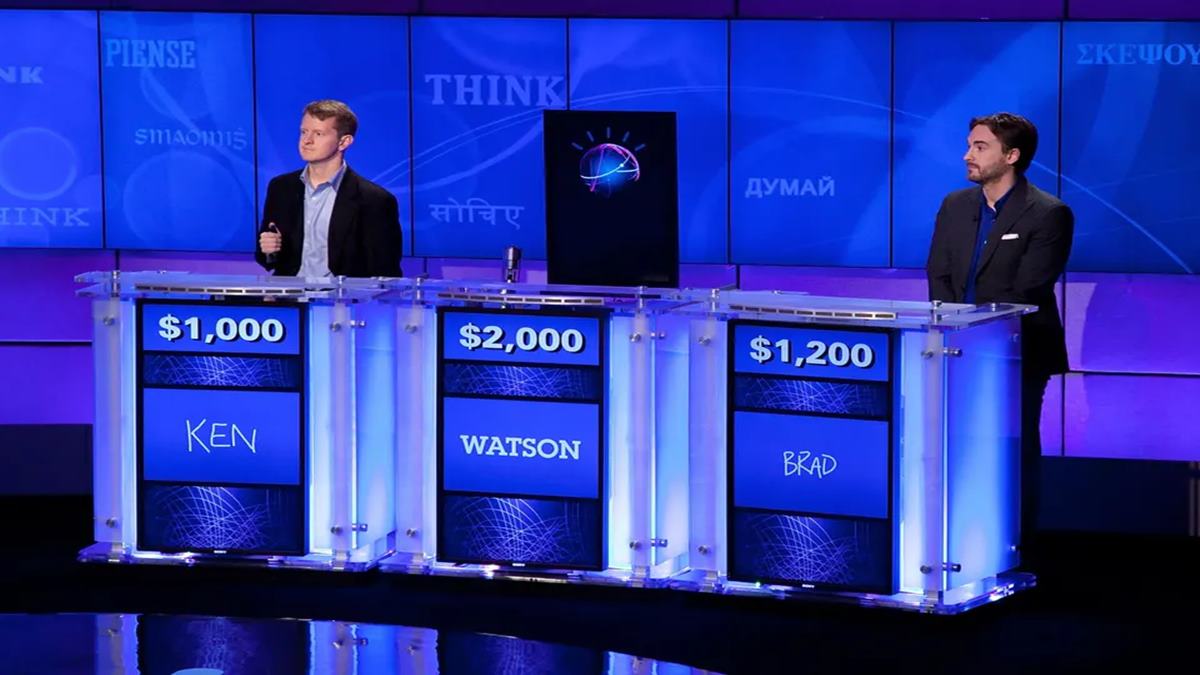
The technology continues to advance, and at an incredibly rapid pace. Science fiction movies like Stanley Kubrick’s 2001: A Space Odyssey, which introduced us to HAL 9000, a computer that “went rogue,” gave us a Hollywood-infused scary glimpse of what AI might become. But nobody was scared in 2011 when IBM’s Watson (its AI solution) competed against the top Jeopardy! champions and won. And to the point of this article, nobody was worried about AI replacing jobs after it did so.
Several years later, in 2015, OpenAI was founded, but it wasn’t until late 2022 that the public was introduced to its product, ChatGPT. That’s when the world really started to take notice. Similar solutions, such as Claude, Perplexity and others, are being used in daily work routines to make people more productive, efficient and even smarter.
Now we’re right in the middle of a major technological transformation that is impacting many areas of our lives. Some say that AI, right or wrong, is as important to us as electricity.
How AI Is Different
When I make my case, I get pushback. The common response is, “AI is different.” I don’t disagree. While many of the disruptions took decades to change the world, AI is making changes at a much faster pace. And many of the transformative inventions changed a single industry. AI seems to cross into almost every industry. Perhaps one of the biggest differences is that AI isn’t a machine that makes something better or easier. It seems to have a brain. That’s why some believe that this artificial brainpower will eliminate jobs, if not wipe out employment in entire industries.
Final Words
I don’t blame people for fearing AI’s capabilities. AI will displace jobs. There are some industries where employees will be forced to change lanes or pivot to continue working. Some may be forced to learn completely different skills, even if they went to college to learn their current skills.
But if you look at history, when jobs were lost and industries disappeared, the long-term outcome was positive. New careers have started. Innovation flourished. Industries expanded. For some, there will be short-term pain, but it will be followed by long-term gain, as long as the change is embraced.