


















Microsoft has taken a big step in its AI journey, and this time the focus is not just on smarter chatbots but on agents that can independently perform complex work. With the launch of its new Foundry Agent Service in public preview, the company is pushing a future where software doesn’t just assist developers, it actively works alongside or even replaces them in certain tasks. At the centre of this announcement is Satya Nadella’s vision that “every agent will need its own computer.” In simple terms, Microsoft is now treating AI agents like digital workers, each running in its own secure, isolated environment with memory, identity, and the ability to act. This is not just another AI feature, the company is likely preparing for a change in how work itself could be structured in the tech world.
What Microsoft is actually launching
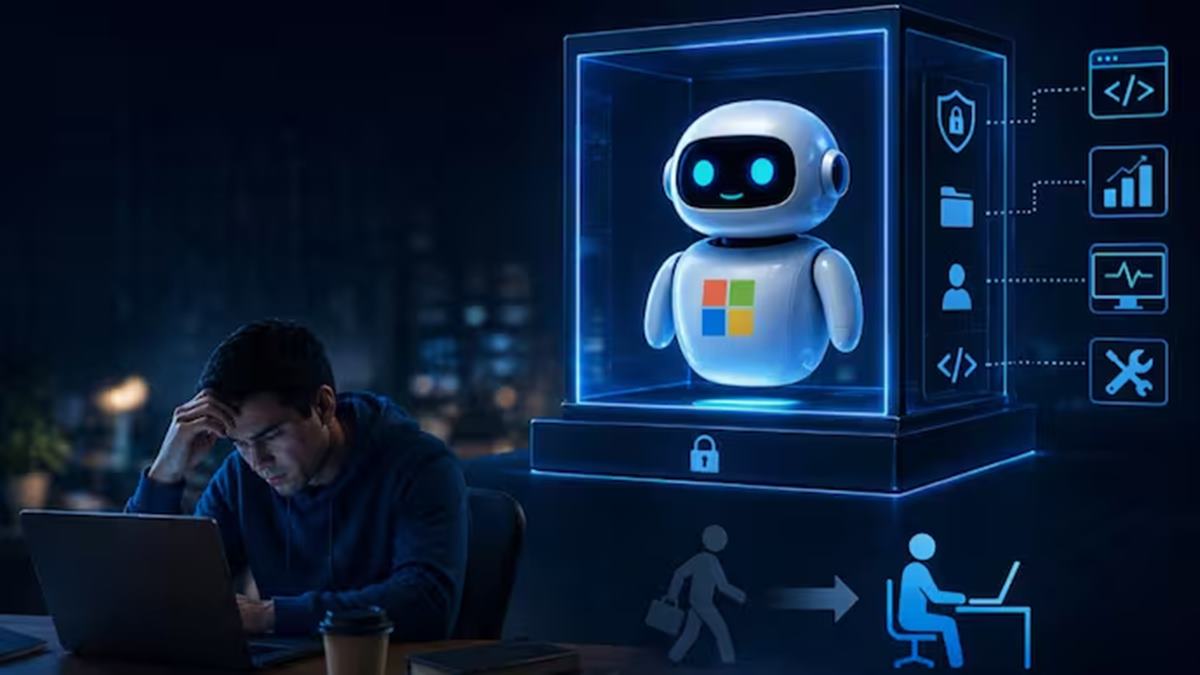
Through Microsoft Foundry, the new hosted agent service gives every AI agent its own dedicated sandbox. This is essentially a virtual machine that can store files, execute code, and remember past work. Unlike traditional systems where multiple users share the same infrastructure, each agent here operates in isolation, reducing security risks while allowing it to handle sensitive and long-running tasks.
These agents are designed to go beyond answering questions. Microsoft says developers are already building agents that can refactor entire codebases overnight, analyse large volumes of data, monitor systems, and even fix issues automatically. With Foundry, the company is trying to take these capabilities from experimental setups to enterprise-scale deployment.
The platform also introduces features like persistent memory, meaning agents don’t start from scratch every time. They can retain context, learn from previous tasks, and improve over time. This makes them closer to a continuous worker rather than a one-time tool.
This can end entry-level tech jobs
While the technology sounds efficient, it raises a serious question – what happens to entry-level tech roles?
Traditionally, junior developers and fresh engineers handle tasks like debugging, writing basic code, analysing logs, or preparing reports. These are exactly the kinds of repetitive, structured jobs that AI agents are now being built to handle. If a company can deploy an agent that works 24/7, remembers everything, and costs less over time, the need for large entry-level teams could shrink. This doesn’t mean all jobs will disappear, but the nature of hiring could change. Companies may prefer fewer, more experienced developers who can design and supervise these agents, rather than hiring large numbers of fresh graduates to do routine work.
Microsoft is positioning Foundry as more than just infrastructure. It is building an entire ecosystem around agents, including tools for memory management, identity control, security policies, and integration with enterprise data. Agents can also connect to platforms like Microsoft 365 and Teams, meaning they could soon become part of everyday workplace workflows.
The company is also keeping the system flexible. Developers can use different AI models, frameworks, and tools instead of being locked into one ecosystem. This multi-model approach suggests Microsoft wants Foundry to become a central hub for building and running AI agents across industries.