



















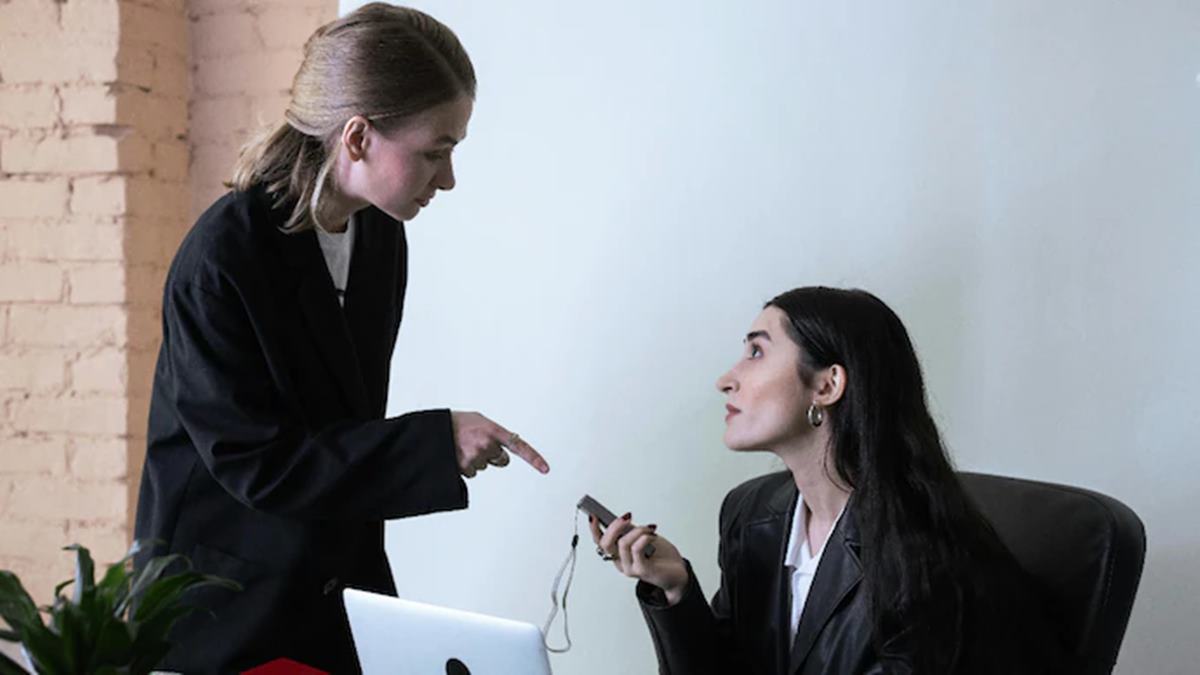
The modern workplace is witnessing a silent but powerful transformation. For decades, office culture was built on hierarchy, where authority flowed downward and obedience was often mistaken for professionalism.
Employees were expected to nod, comply, and trust decisions without explanation. But that model is rapidly changing.
Today, a new generation of professionals, Gen Z, is rewriting the rules of workplace culture. They are asking questions, seeking transparency, and challenging outdated management styles.
Instead of accepting “because I said so,” they want to understand the purpose behind every decision.
This shift is not merely about attitude, it reflects a broader evolution in leadership, employee expectations, and organisational design.
Backed by emerging workplace studies and changing talent trends, the move from “Yes Sir” to “Why?” signals something bigger than generational conflict. It raises a critical question for businesses everywhere: Is hierarchy dying, or is leadership finally adapting to a more accountable era?
WHY ARE EMPLOYEES QUESTIONING AUTHORITY MORE THAN EVER?
Traditional hierarchies were created for a world where information was scarce, decisions were centralised, and leadership relied heavily on titles.
In today’s digital workplace, information is available instantly, collaboration happens across functions, and employees expect participation rather than passive compliance.
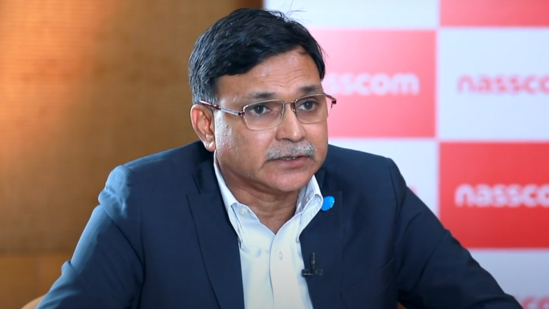
As Anupama Bhimrajka, VP of Marketing, founder, explains, “The shift from ‘Yes Sir’ to ‘Why?’ is less a rebellion and more a reflection of how work itself has evolved. Hierarchies were built for a time when information was limited, decisions were centralised, and authority was rarely questioned.”
Employees now want context, clarity, and inclusion. This is especially true for younger workers who value openness over rigid authority structures.
IS GEN Z REJECTING HIERARCHY OR REDEFINING RESPECT?
Gen Z is often criticised for being outspoken or unwilling to “fall in line.” But the reality may be more nuanced. They are not rejecting leadership, they are rejecting opacity, ego-driven management, and unnecessary control.
According to Bhimrajka, “Younger professionals are far more likely to respect leaders who are transparent, approachable, and open to dialogue rather than those who rely purely on positional power.”
This means respect is no longer automatically attached to job titles. It must be earned through competence, communication, and trust.
Ashish Dhawan, Senior Partner, AIMS International, echoes this shift and says, “The shift from ‘Yes Sir’ to ‘Why?’ isn’t insubordination, it’s a recalibration of respect. Today’s employees, especially Gen Z, don’t reject authority; they reject opacity.”
WHERE DO MILLENNIALS FIT IN THIS WORKPLACE SHIFT?
Millennials occupy a unique middle ground in the changing workplace hierarchy debate.
Many entered organisations where structure, chain of command, and diplomacy were key to growth. But they are now managing teams that expect flatter structures and open dialogue.
Bhimrajka notes, “Millennials sit at the intersection of this transition. Having grown up in more structured environments, they understand the value of hierarchy, but are also adapting to a workplace where influence is increasingly earned through expertise and collaboration rather than tenure alone.”
This places Millennials in a critical leadership position, bridging traditional management with modern employee expectations.
HOW ARE HYBRID WORK AND AI CHANGING TRADITIONAL POWER STRUCTURES?
Remote work, hybrid teams, and AI-driven tools have significantly reduced dependence on top-down decision-making. Employees now have direct access to insights, data, and resources that were once limited to senior management.
As Bhimrajka explains, “Authority, in this context, is becoming less about control and more about clarity and direction.”
When teams are empowered with information, leaders can no longer rely solely on rank. Their value increasingly lies in setting a vision, removing roadblocks, and enabling better decisions.
DO COMPANIES STILL NEED HIERARCHY AT ALL?
Yes, but not the old version.
Every organisation needs accountability, clarity in decision-making, and leadership responsibility. However, modern businesses are moving toward what Bhimrajka describes as responsive hierarchies, structures where leaders remain decisive while also welcoming perspectives and constructive challenge.
Dhawan highlights how this mindset now influences hiring as well, “In Executive Search, when we are doing Reference Checks we always ask, Is the candidate a ‘Yes Man’ or does he ask questions backed by data? Is the Team Leader a ‘Team Player’ or a ‘Dictator’?”
The best organisations no longer reward silence. They reward thoughtful participation.
IS SPEAKING UP THE NEW WORKPLACE SUPERPOWER?
For years, loyalty was measured through agreement. But in today’s innovation-led economy, silence can be costly. Businesses increasingly recognise that breakthrough ideas often come from employees willing to challenge assumptions.
Dhawan puts it sharply and explains, “Organisations that once valued silence as loyalty are now realising that the best ideas often come from those willing to challenge the room.”
In this environment, asking “why” is not disruptive. It is often the first step toward improvement.
THE DEATH OF HIERARCHY OR THE RISE OF BETTER LEADERSHIP?
Workplace hierarchy is not disappearing, it is being forced to evolve. The command-and-control systems of the past are giving way to more human, transparent, and collaborative leadership models. Titles still matter, but they no longer guarantee loyalty or respect.
Today’s employees want leaders who explain decisions, invite ideas, and lead with credibility rather than fear.
Gen Z may be driving the shift, Millennials may be navigating it, and organisations that adapt fastest will win the talent race.
The real story is not that employees have stopped saying “Yes Sir.” It is that they now feel empowered to ask “Why?, ”and the smartest leaders are prepared to answer.