



















For years, software developer Andrew believed experience was supposed to open doors. Instead, after sending out more than 2,000 job applications and hearing almost nothing back, he says he’s starting to feel “plain NOT HIREABLE.”
His emotional post on X resonated with many in the tech industry, especially experienced professionals who feel AI-driven hiring systems are rejecting their applications before an actual recruiter even gets a chance to look at their résumé.
Veteran software engineer says 25 years of experience now feels “worthless”
“I have a hard time believing that my 25 years of experience is somehow negated by the format of my resume,” Andrew wrote, adding that he had even emailed hiring managers dozens of times seeking answers, only to receive “ZERO response.”
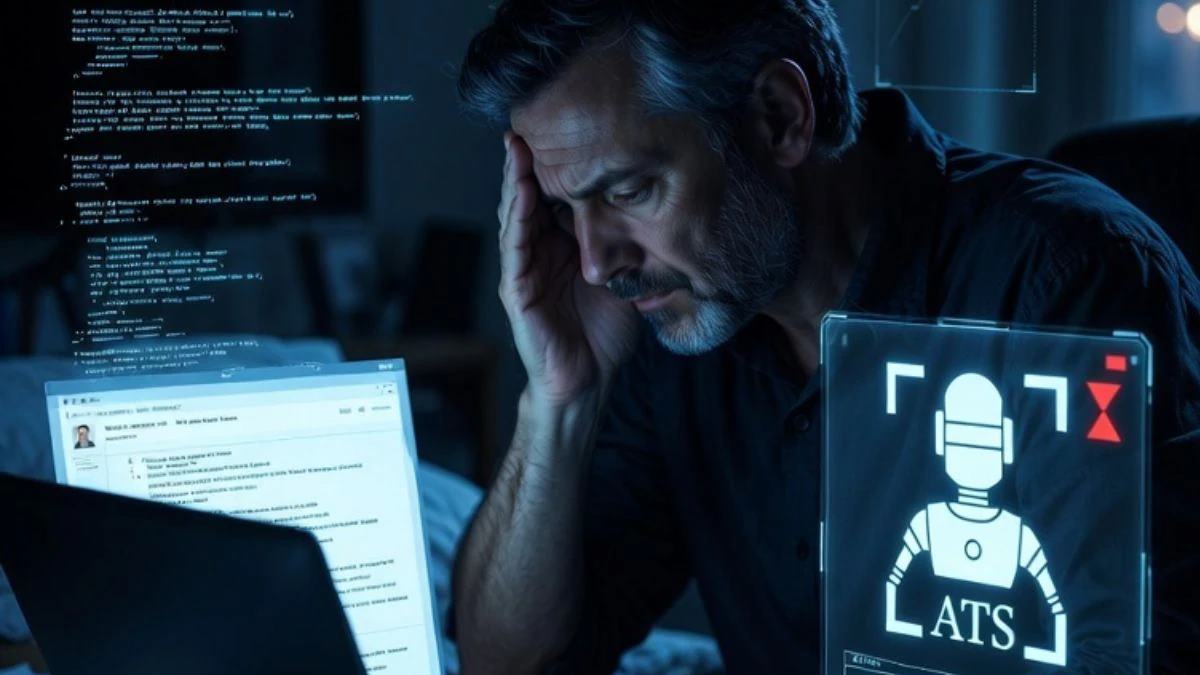
What shocked many readers most was Andrew’s claim about Applicant Tracking Systems, better known as ATS. After “reverse engineering” some popular ATS platforms, Andrew said he discovered patterns where terms like “founder” and “freelancer” were allegedly being translated into signals associated with unemployment or unstable work history.
“So now add to everything else,” he wrote, “I am being punished for running successful businesses for over a decade.” That one detail sparked a flood of reactions online from workers who said they, too, felt trapped in an invisible hiring maze run by algorithms.
For someone who spent years building companies and working independently, it felt like the system was treating that experience as a red flag instead of an achievement.
The rise of AI-driven recruiting tools was initially sold as a way to make hiring faster and fairer. Today, however, many job seekers believe these systems have created a new kind of career anxiety, one where years of experience, entrepreneurship, career breaks, or unconventional paths can quietly work against candidates.
Hundreds of applications, almost no answers
Andrew said he did not stop applying online. Instead, he reached out directly to hiring managers, dozens of them, maybe more than 100. He asked questions, tried to understand what was going wrong and looked for feedback.
He says he got almost no response. That silence is something many job seekers say hurts the most. Not getting hired is one thing. Never hearing back at all is another.
For experienced professionals, especially those with long careers, the process can start to feel deeply personal after months of rejection. “This is actually going to start affecting my way of life, my standard of living, not to mention the people that count on me to provide,” Andrew wrote.
He admitted that thoughts about retirement have started creeping in, not because he wants to stop working, but because he no longer knows how to break through the hiring system.
“I have to start thinking about what retirement looks like, and I am just plain NOT HIREABLE. Career change at this point doesn’t seem likely. I have literally never done anything professionally other than write software (at least, not since college anyway). This is actually going to start affecting my way of life, my standard of living, not to mention the people that count on me to provide.
A growing problem in the tech industry
Andrew’s story has become part of a much larger conversation happening across the tech world right now. The industry has gone through wave after wave of layoffs over the last few years. At the same time, AI tools have made it easier than ever for people to apply for jobs quickly. Some candidates now send out hundreds of applications using AI-generated résumés tailored to each posting.
As a result, recruiters are overwhelmed with applications for almost every role. That is one reason companies rely so heavily on ATS software today. The systems help narrow down huge numbers of applicants automatically. But many workers believe the process has gone too far.
People with unconventional career paths, freelancers, startup founders, consultants, people returning after breaks, or workers with decades of experience often say they struggle to “fit” the keywords these systems are designed to look for.
Ironically, many candidates now spend more time trying to optimise résumés for machines than for actual humans.