















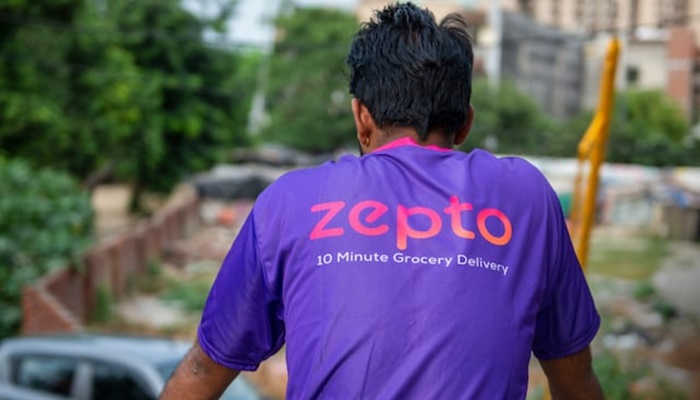





Employee engagement among India’s workforce dipped in 2025, with 23% of employees engaged in their jobs, the lowest figure in four years. These employee engagement statistics are in line with levels recorded between 2019 and 2021 (based on three-year rolling averages), and while they remain above the current global average of 20%, they mark a notable step back for Indian workers from recent highs.
Gallup defines employee engagement as the involvement and enthusiasm of employees in their work and workplace, and specifically as the emotional connection and commitment workers have to their work and organization. “Not Engaged” workers, sometimes referred to as employees who are “quiet quitting,” put minimal effort into their work. Actively Disengaged employees are more upset and frustrated, and they act in ways that oppose their employer’s goals.
Multiple meta-analyses over decades have found a strong relationship between team engagement and positive business outcomes. Gallup estimates that India’s current level of disengagement costs India $351 billion, or about ₹32.7 trillion, in lost workplace productivity annually, equal to approximately 9% of the country’s GDP.
The decade between the measures reported from 2012 to 2022 reflects broader workforce trends in India, marking a rise in India’s workplace quality from among the least engaged countries in the world to among the most. Although Indian engagement has declined in the past few years, active disengagement has declined as well, possibly related to recent work reforms in the country. This has resulted in fewer engaged employees and a growing number who are not bitter but are still unclear about their role or indifferent to their work. A more productive future for India’s workplaces depends on engaging employees by moving them from psychological detachment to psychological investment in their work.
Workplace Engagement Declines for India’s Managers
Previous research shows that managers are among the primary drivers of employee engagement, explaining at least 70% of the variance in team engagement. Yet in India, the people most responsible for shaping the employee experience are themselves seeing big declines in connection to their jobs.
While Indian managers remain more engaged than individual contributors (30% vs. 19%, respectively) their engagement has experienced a greater decline. Manager engagement in India has fallen by nine percentage points since 2024, dropping from 39%. Individual contributors, by comparison, saw a five-point dip.
A reduction in manager roles may be a factor in the decline in manager engagement. The percentage of managers in South Asia declined in 2025, suggesting that employers are cutting management roles. A recent study of U.S. employees found that manager engagement declines with larger spans of control. If many managers are now dealing with larger teams, that could be affecting their own engagement.
However, the study also found that talented and well-supported managers can lead much larger teams without a drop in engagement. In other words, leaders should not only consider team size when reorganizing, but also managerial capacity, support, talent and training.
Bottom Line
Despite the recent declines, the average employee experience in India has improved significantly in the past decade. The fact that 59% of India’s employees are Not Engaged, but not Actively Disengaged, shows great potential for productivity growth. These are individuals who are looking for greater clarity, communication and connection to their team, their manager and their organization.
That said, leaders must realize that the growing number of “quiet quitting” workers are team leaders themselves. If leaders want to improve their organization’s engagement, they should prioritize employee engagement strategies that focus on selecting talented managers, training them effectively and supporting them as they grow. If leaders are reducing their manager count, manager support is even more vital.
Source – https://www.gallup.com/workplace/709277/quiet-quitting-rise-india.aspx