















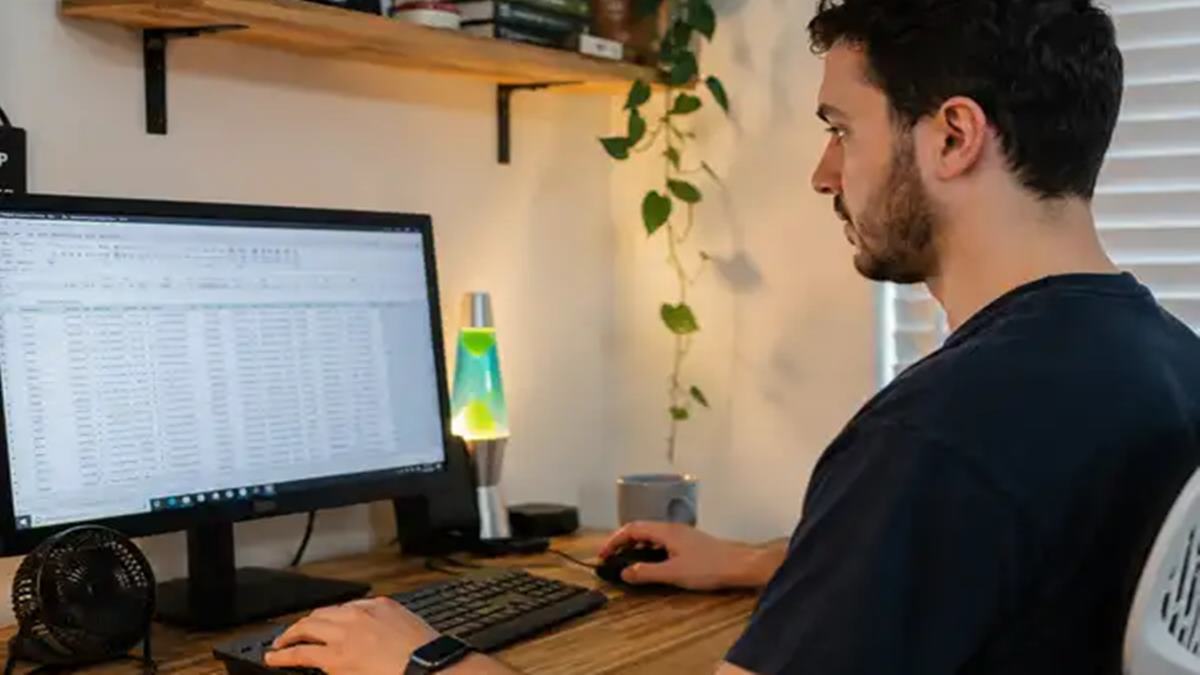
Imagine this: you’re a remote data entry worker. You’ve met your daily target, processed 340 records, and have timestamps to prove each and every one of them. Then your manager gives you a weekly report that says you’re “idle” for 23% of your workday and calls for a meeting about it.
This is what happened to a worker at an insurance firm who recently shared his story online. What’s the culprit? Software that tracks productivity and tags any four minutes without mouse motion as downtime. What’s the problem? A big part of their job includes reading documents and waiting on a legacy database from 2009 that takes 35 seconds to load each record. None of that moves a cursor.
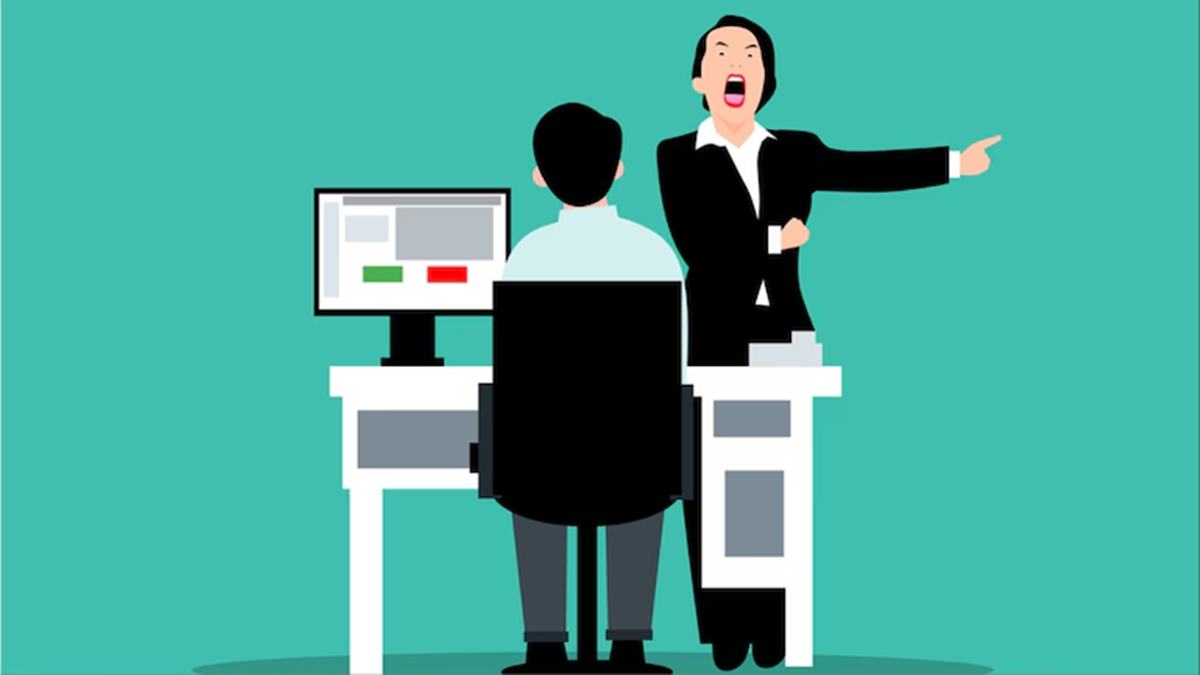
Their manager watched a screen recording that showed the “idle” time was actually legitimate work, nodded, and then told the employee to wiggle the mouse more during reading times to make the numbers look better.
The answer? A slow-moving screensaver tab sat parked in the corner of a second monitor. Idle time was down to 2%. The output was exactly the same.
This isn’t a standalone story
If you work remotely in the US, chances are someone is watching your screen activity right now. A 2024 study for the Washington Center for Equitable Growth by Columbia University professor Alexander Hertel-Fernandez found that 68.5% of American workers are monitored in some way, and that automated surveillance tools have a measurable, negative association with worker well-being.
The pandemic supercharged this trend. Millions of Americans were sent home from work overnight. Companies that had never monitored their workers were suddenly spending big to do just that. The logic was simple: if I can’t see you, how do I know you are working? The error was in the answer they accepted: follow the mouse movements, keystrokes, and active screen time.
Measuring motion is not measuring work
These tools conflate activity with output. All a moving cursor shows is nothing about whether someone is thinking, reading, or making good decisions. It’s just that the mouse was moving.
Knowledge work demands a huge mental effort and leaves no physical trace on a computer. It is a job to read a six-page insurance claim. It’s also working while you are waiting for a slow database. It’s work to think through a complex case before you ever type anything.
In a 2025 NBER working paper, “The Effects of Digital Surveillance and Managerial Clarity on Performance,” researchers Namrata Kala and Elizabeth Lyons find that digital surveillance has no major impact on worker performance, on average. The study also found that when employers removed surveillance without explanation, productivity actually decreased. It’s not the presence of monitoring that matters but how it’s communicated.
The conclusion is pretty much pre-written for you; bossware doesn’t make people more productive. It makes them anxious, creative with screensaver tabs.
The real cost is loss of trust
When a senior manager tells an employee to fake mouse activity to appease software that his own company paid for, it’s a sign that something fundamental is broken. The message we got is: we don’t trust your output data, we don’t trust your timestamps, or your screen recording. They are relying on a figure generated by software that doesn’t understand your job.
And for millennial and Gen Z workers in particular, who grew up on results-driven schooling, freelance gigs, and project-based work, monitoring that tracks inputs instead of outcomes feels tone-deaf. You can not judge a writer by how fast they can type. You can’t judge a developer by the number of open tabs.
What good management really looks like
Do not track mouse paths; track deliverables. Set targets for outputs, records processed, cases resolved, tasks completed, etc., and measure against those. And while you’re at it, maybe retire that 2009 database.
The screensaver fix is funny, but it’s also a bit of a tragedy. A good employee wasted his mental energy trying to bypass a broken system. A company paid for software that now measures how inventive people are at fooling it.