
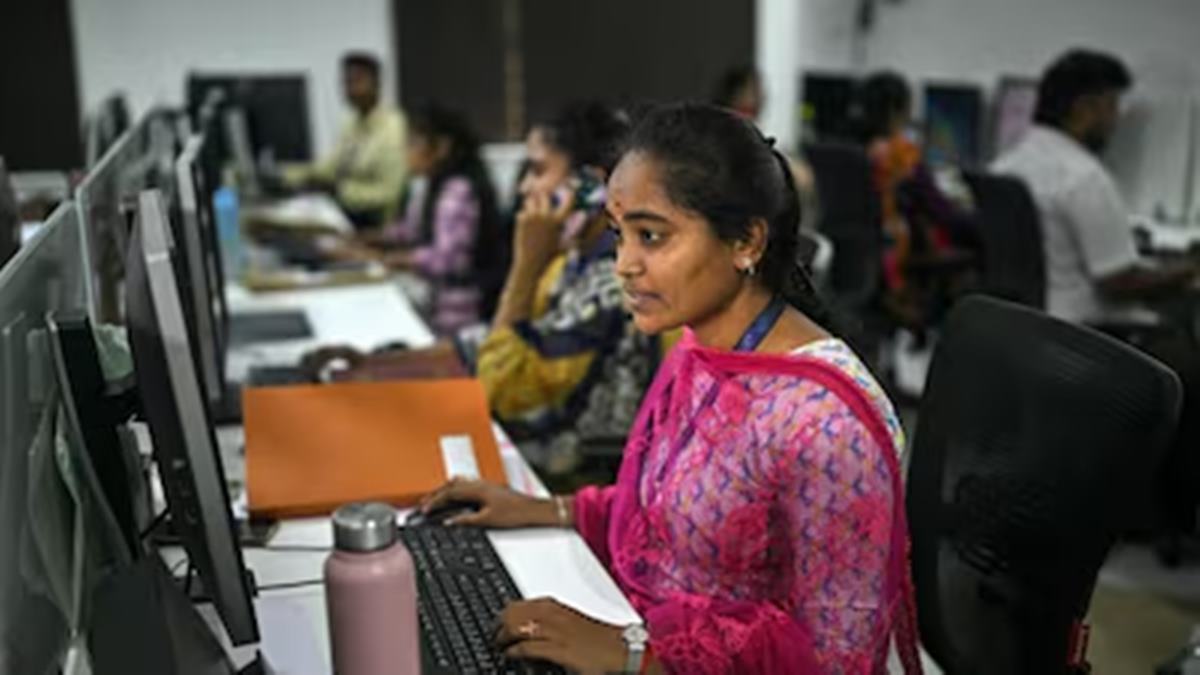


















Imagine waking up with severe cramps, fatigue and nausea, yet still facing a full day of meetings, deadlines and responsibilities. The decision to take a day off is rarely only about physical discomfort; it is often shaped by concern over how it will be perceived at work. Will it be seen as a valid health reason or as a lack of commitment? For many working women, this is not an occasional situation but a recurring monthly reality.
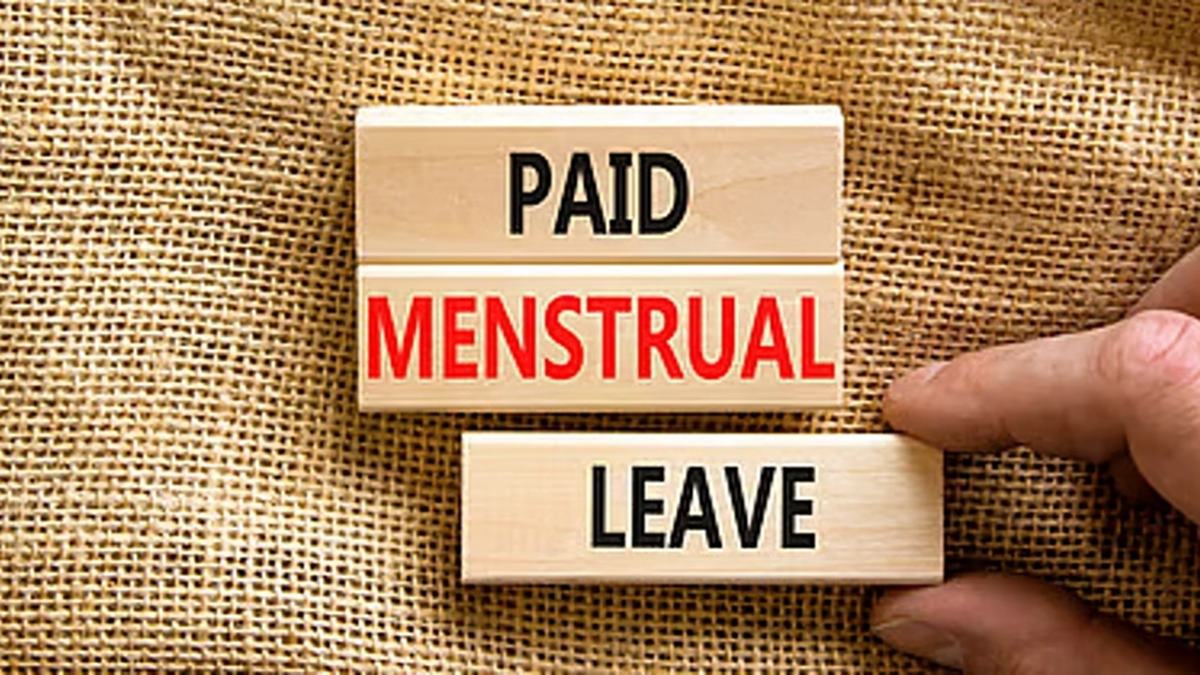
Menstruation is often dismissed with the phrase, “It’s just a period.” However, for many individuals, it involves symptoms such as intense cramps, migraines, dizziness and exhaustion that can significantly affect daily functioning. As conversations around workplace well-being grow, this raises an important question: should menstrual leave be recognised as a formal workplace right?
Supporters argue that menstrual leave is fundamentally about health recognition and workplace inclusion. Since menstrual experiences vary widely, some individuals face symptoms severe enough to affect productivity and well-being. From this perspective, menstrual leave is not a special privilege but an acknowledgment of a legitimate health need. Advocates also believe that formal recognition could reduce stigma, encouraging employees to discuss menstrual health openly without fear of judgment or professional consequences.
However, the proposal has also sparked debate. Critics argue that introducing a separate category of leave may unintentionally reinforce stereotypes about women being less reliable employees or influence hiring and promotion decisions. Others believe that existing sick leave provisions are already sufficient to address menstrual health concerns without creating an additional policy.
The debate is no longer purely theoretical, as several Indian organisations have already introduced menstrual leave policies. Companies such as Zomato, Swiggy, BYJU’S, Magicpin, Gozoop, FrontRow, Niine and greytHR have adopted such measures to support employees experiencing menstrual discomfort. In addition, Karnataka became the first Indian state to make menstrual leave mandatory for private sector employers, while states such as Bihar and Odisha have also implemented menstrual leave provisions for government employees. These developments reflect a gradual shift towards recognising menstrual health as an important aspect of workplace well-being, although a nationwide policy has yet to be introduced.
At the same time, some experts argue that workplace flexibility may be a more practical alternative than introducing separate leave structures. Hybrid work models, remote working options, flexible schedules and supportive workplace cultures can enable employees to manage menstrual discomfort while maintaining productivity. However, such flexibility is not equally available across all sectors and job roles.
Ultimately, there may not be a universal solution for every workplace. Whether through menstrual leave or flexible work arrangements, the priority should be to create an environment where employees do not have to choose between their health and their professional responsibilities. More than a debate over leave policies, the issue reflects the need for workplaces that recognise health, dignity and inclusion as essential to employee well-being.