




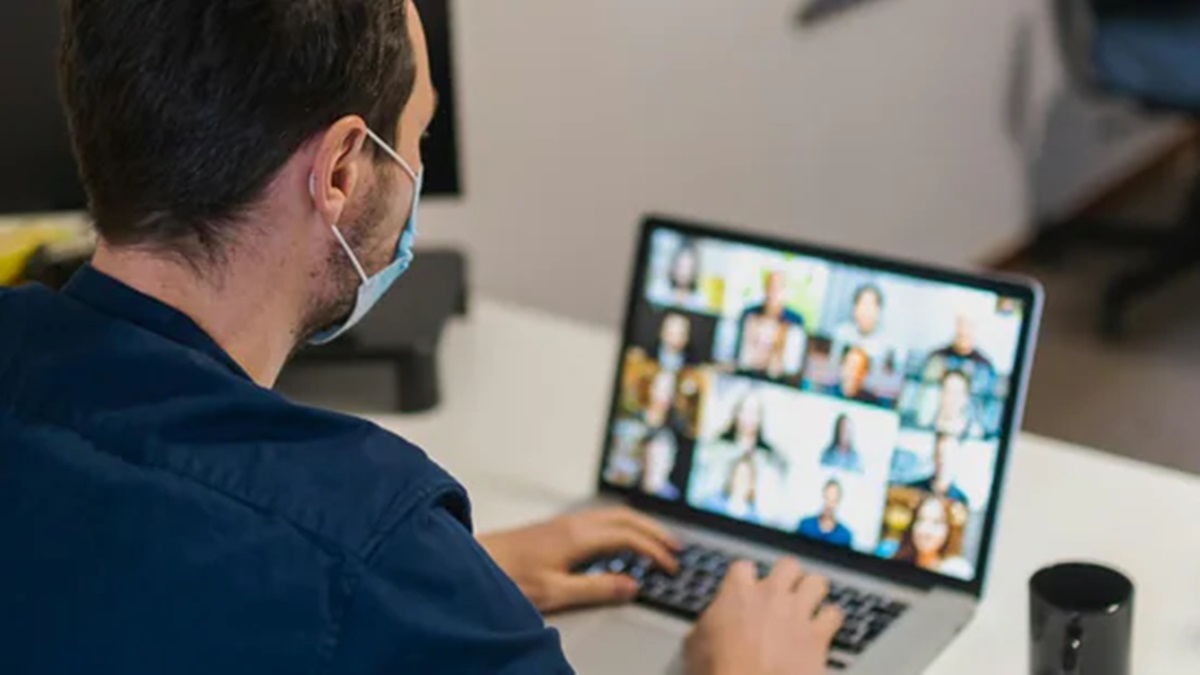
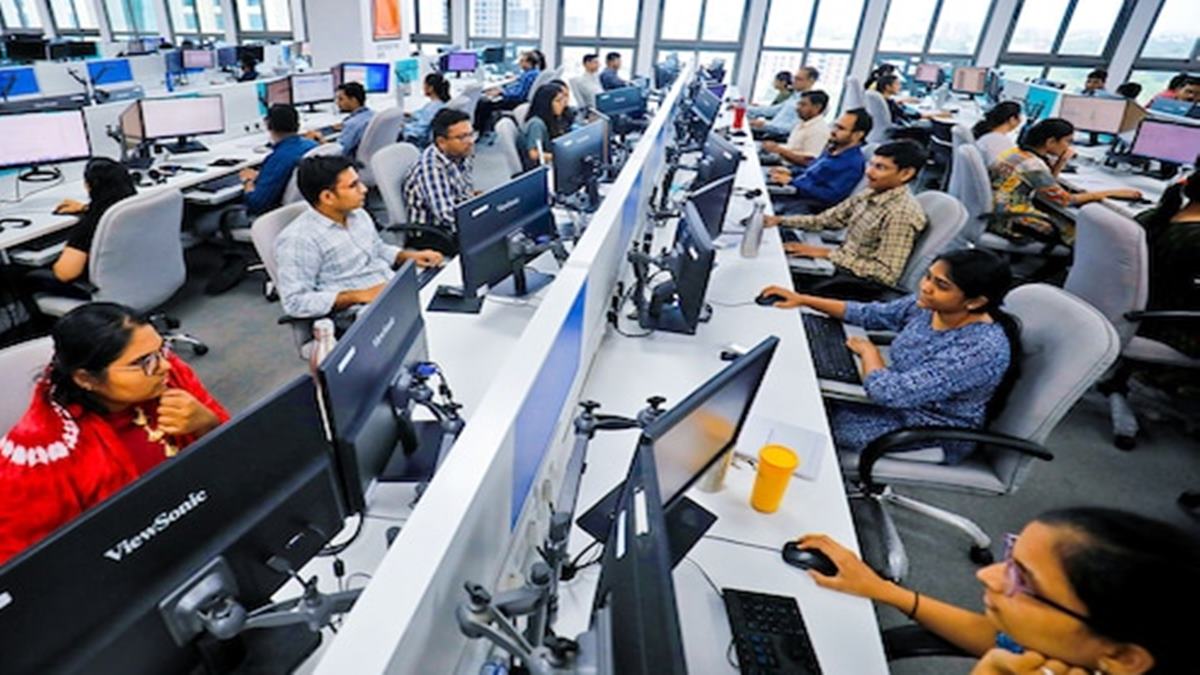





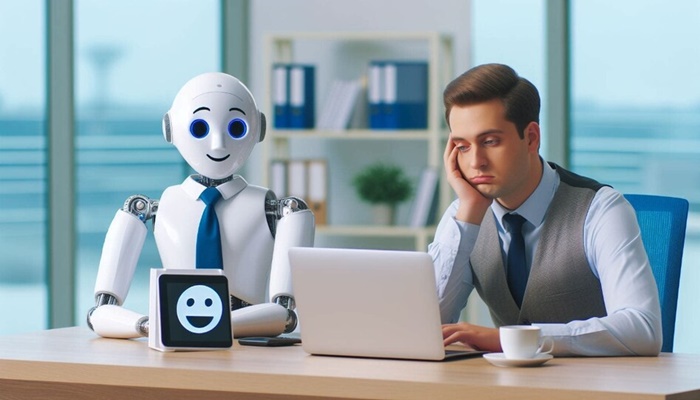



AI increasing employee workload is turning out to be an unexpected side effect of the tools meant to save us time. For many office workers, the day now moves faster, but rarely feels lighter.
AI increasing employee workload: AI tools speed up work, and stack on more
A new analysis by workforce analytics firm ActivTrak tracked 443 million hours of digital activity from about 164,000 employees across 1,111 organisations, comparing six months before and after AI adoption. After workers started using AI tools, time spent across almost every work category rose, rather than fell.
Time spent on email more than doubled, with ActivTrak reporting a 104% jump, while chat and messaging activity climbed about 145%. Use of business management tools, from HR systems to accounting software, rose by 94%. At the same time, deep, uninterrupted focus slipped, with AI users seeing a 9% drop in focused time, while non‑users showed almost no change.
AI increasing employee workload: ‘Workload creep’ and shrinking focus
“It’s not that AI doesn’t create efficiency,” said Gabriela Mauch, chief customer officer at ActivTrak and head of its productivity lab. “It’s that the capacity it frees up immediately gets repurposed into doing other work, and that’s where the creep is likely to happen.”
Researchers at the University of California, Berkeley’s Haas School of Business, studying around 200 employees at a US technology company over eight months, saw a similar pattern. Employees using generative AI “worked at a faster pace, took on a broader scope of tasks, and extended work into more hours of the day, often without being asked to do so”, they reported. Associate professor Aruna Ranganathan described how AI makes extra tasks feel easy and accessible, creating a sense of momentum that can quietly expand what people see as “their job”.
AI increasing employee workload: Rising adoption, mixed outcomes
ActivTrak estimates about 80% of employees now use AI tools at work, up from 53% two years ago, although most still spend only a small share of their day inside these applications. The workday has become slightly shorter on average, but productive hours and the number of work sessions have increased, as collaboration and multitasking surge.
Researchers warn this “AI increasing employee workload” trend may deliver short‑term productivity gains while masking longer‑term fatigue and burnout. Without clear boundaries from employers, the technology risks entrenching a new normal in which workers feel permanently busy, even as AI becomes more powerful.
Source – https://punemirror.com/technology/ai/ai-increasing-employee-workload-study/