









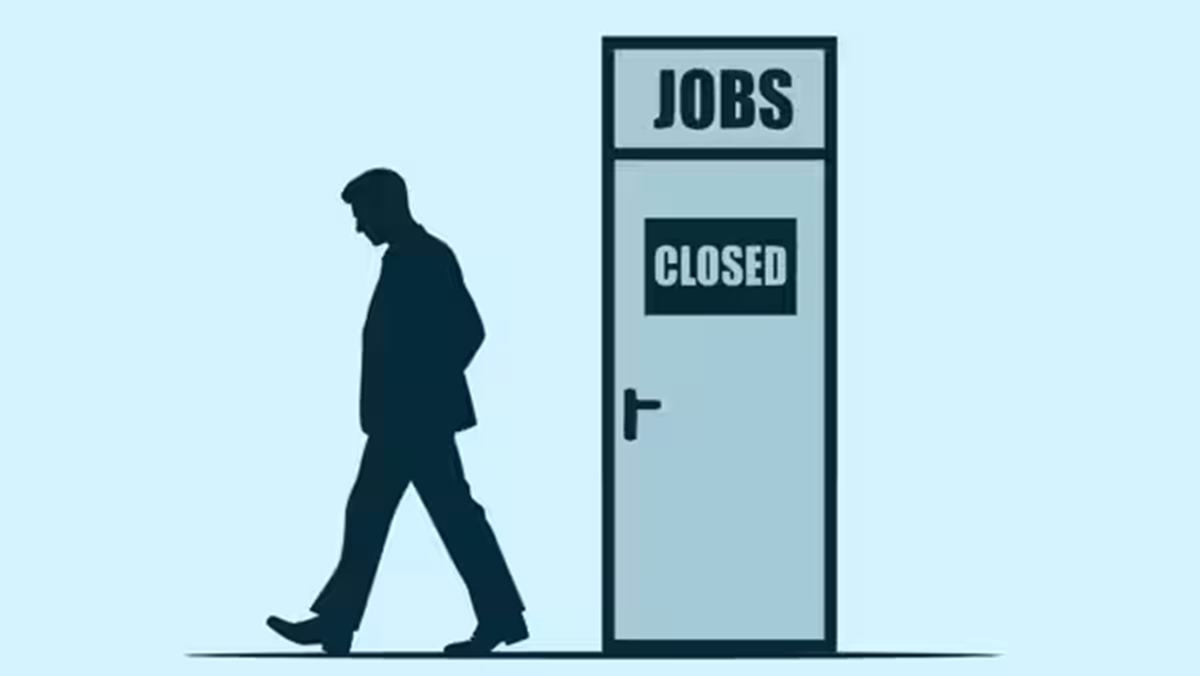











Fresh graduates stepping into the workforce are facing a new and unsettling reality. As reported by Fortune, Kristalina Georgieva, Managing Director of the International Monetary Fund, warned at the recent Davos summit that technological disruption—particularly from artificial intelligence—is reshaping labor markets at an unprecedented pace. “Tasks that are eliminated are usually what entry-level jobs present,”
Georgieva said. “Young people searching for jobs find it harder to get to a good placement. Where are the guardrails?”For students and recent graduates, these words are a wake-up call.
Even job roles that have traditionally acted as stepping stones—clerical work, administrative tasks, and basic analytical roles—are increasingly being automated. While some workers may benefit from higher productivity, those entering the job market at junior levels are facing stiffer competition and fewer opportunities.
Entry-level roles under pressure
Georgieva described AI’s impact on early-career jobs as a “tsunami hitting the labor market,” highlighting that starting positions are particularly vulnerable, as reported by Fortune. According to IMF research, up to 60% of jobs in advanced economies and 40% globally could be affected by automation.For young professionals, this may mean slower hiring, lower wages, and fewer available roles.The tasks that are disappearing are often the ones entry-level roles focus on, making it harder for new graduates to secure their first job, Fortune reports. At the same time, workers who develop skills beyond routine tasks—such as creativity, problem-solving, and adaptability—are likely to maintain an advantage in a workplace increasingly shaped by technology.
Shifting skill demands
This changing nature of work requires young students to consider the idea of “getting ready” for the first proper job differently. More work areas seem to be replaced by automation or technological programs annually. Although human talents such as thinking critically or using communication may not be in high demand by some employers, young professionals using technologies for good will be the ones to look out for.For instance, young professionals who used to spend their time doing data entry or scheduling instead could be analyzing the insights, helping with strategic initiatives, and/or seeking to improve the processes, thus learning while growing and contributing to the organization accordingly.
The early signs of disruption
The signs are already clear. A recent Stanford University study found that workers aged 22 to 25 in jobs most exposed to AI saw a 13 per cent drop in employment since late 2022, even as older workers in the same roles remained largely unaffected. Entry-level positions like software support, customer service, and junior marketing or design roles were among the hardest hit. While this may sound worrying, there is a bright side: the jobs that remain or evolve often offer richer learning opportunities, helping graduates build skills that are increasingly valued in a technology-driven world.
How students can adapt
- Be adaptable: Seek skills that complement automation, such as data interpretation, creative thinking, and teamwork.
- Get practical experience: Internships, freelance projects, and micro-roles help build exposure and relevance.
- Develop soft skills: Communication, negotiation, and collaboration remain uniquely human advantages.
- Follow trends: Stay updated on emerging industries and in-demand roles.
- Build networks: Professional relationships can open doors, especially for roles not widely advertised.
Looking forward
Change in the workplace is happening faster than policies or regulations can adjust to reflect the new reality. Finding an entry-level position might get tougher; nevertheless, if you are inquisitive, flexible, and embrace learning, there will always be good opportunities available for you. Your initial position might look very different from comparable positions ten years ago; yet, with proper preparation, this initial position can provide you with a very successful path to follow.
The quality that will matter most in the fast-changing world that we inhabit today will be resilience, curiosity, and working well with technology.