





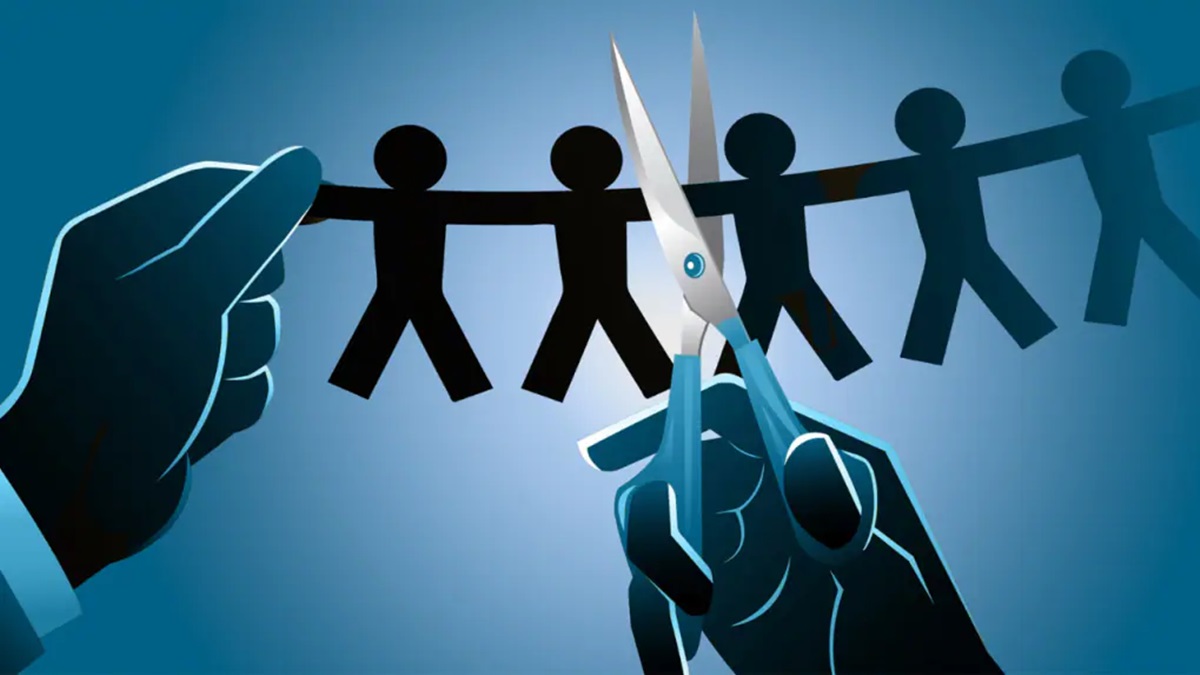


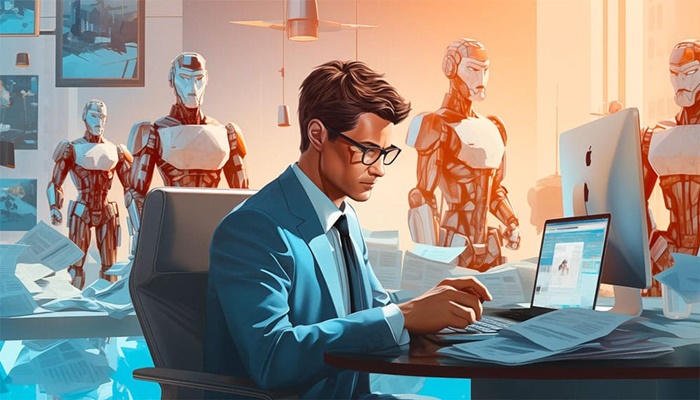


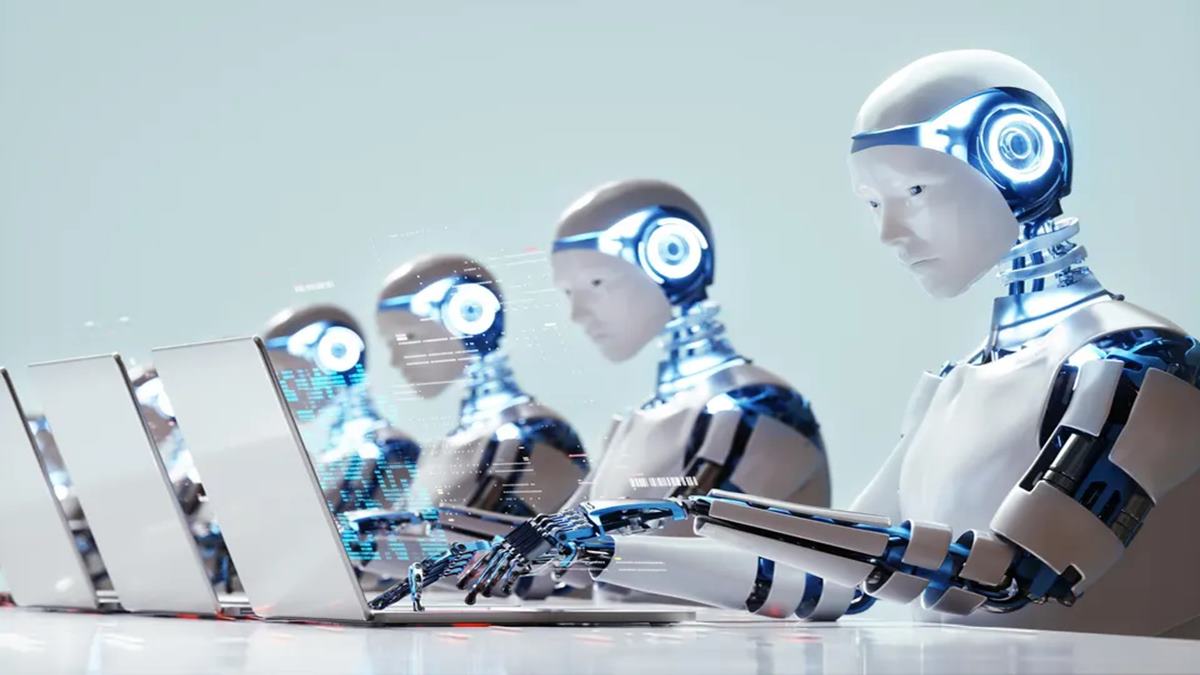
Every industrial revolution has had its villain. In the 19th century, it was the steam engine, accused of robbing artisans of their craft. Today, it’s artificial intelligence. The headlines scream, “AI is taking over,” “AI will take our jobs” and “AI is unstoppable.”
Here’s the uncomfortable truth: AI will take a lot of jobs. It already has. And in some cases, it should. To deny that is naïve. But to stop the conversation there is just as foolish. The real question isn’t what will disappear, it’s what comes next.
The Bottlenecks Patients Felt
One in three calls to dental offices in the U.S. goes unanswered. These aren’t robocalls. They’re patients, often in pain, who hang up and rarely call back. For practices, that could mean billions in lost revenue. For patients, it’s untreated problems that grow worse. For staff, it results in exhaustion and burnout.
When clinics in Britain stopped treating missed calls as inevitable and deployed AI receptionists instead, the change was immediate. In four months, more than 50,000 patient calls were answered, and none were missed. Five hundred new patients were booked every month. More than 2,000 staff hours were returned to care. Within months, £1 million in new value was captured, with £9 million projected over the lifetime of those patients.
The human stories are even more powerful. One of our customers’ clients, an 80-year-old woman, booked dentures after hours entirely through the system. She wasn’t nostalgic for a receptionist. She was relieved she didn’t spend her afternoon waiting.
The Villain Isn’t The Machine—It’s Complacency
Every unanswered call wasn’t a job saved. It was a customer lost. For years, leaders shrugged and called inefficiency the cost of doing business. Policymakers recycled soothing lines instead of confronting hard truths. Executives defended the old way because change felt uncomfortable.
The threat isn’t AI. It’s complacency and the denial that comes with it.
Too many leaders still tell their teams, “AI won’t take your job.” They mean to reassure, but employees know better. They see colleagues leave and are not replaced. They see hiring slowing. They see silence where there should be clarity.
That silence breeds mistrust. And worse, it breeds something workplace experts now call quiet cracking: when employees technically stay in their roles but mentally fracture under stagnation. It’s happening already in the shadow of AI adoption, not because machines took their jobs but because leadership failed to give them a path forward.
Quiet quitting was a whisper. Quiet cracking is the scream leaders ignore at their peril.
What Leaders Must Do
If you’re leading in this moment, the playbook isn’t complicated:
• Be honest. Jobs will be replaced. Pretending otherwise kills trust.
• Upskill, don’t just downsize. Teach employees how to use the new tools. The value isn’t only in replacing tasks—it’s in creating people who can supervise, improve and direct the systems that replace them.
• Redesign work, not just roles. Don’t shrink jobs into the leftovers after automation. Expand them into what humans do best: judgment, creativity and relationship-building.
• Reinvest gains in people. Productivity freed by AI should fund training budgets, better wages and new ladders of opportunity, not just shareholder returns.
• Make AI performance visible. Track outcomes side by side, human and machine. When employees see that transparency, they understand where they fit and how they add value.
The Future We Choose
So, let’s stop arguing about whether AI will take jobs. Accept it. Then decide what we’ll do with the wealth it creates.
Because here’s the real headline: AI isn’t replacing humans. It’s replacing the nonsense work we should never have been doing in the first place.
The patients who had their calls answered weren’t mourning the absence of a human receptionist. They appreciated the presence of access, speed and care. That’s the point. The more machines do, the more we rediscover what it means to be human.
AI won’t erase us. It will amplify us if, and this is the hard part, we use it to expand possibilities instead of shrinking them.
The story of every industrial revolution has been the same: Fear shrinks us. Embracing change lifts us. The choice, once again, is ours.