

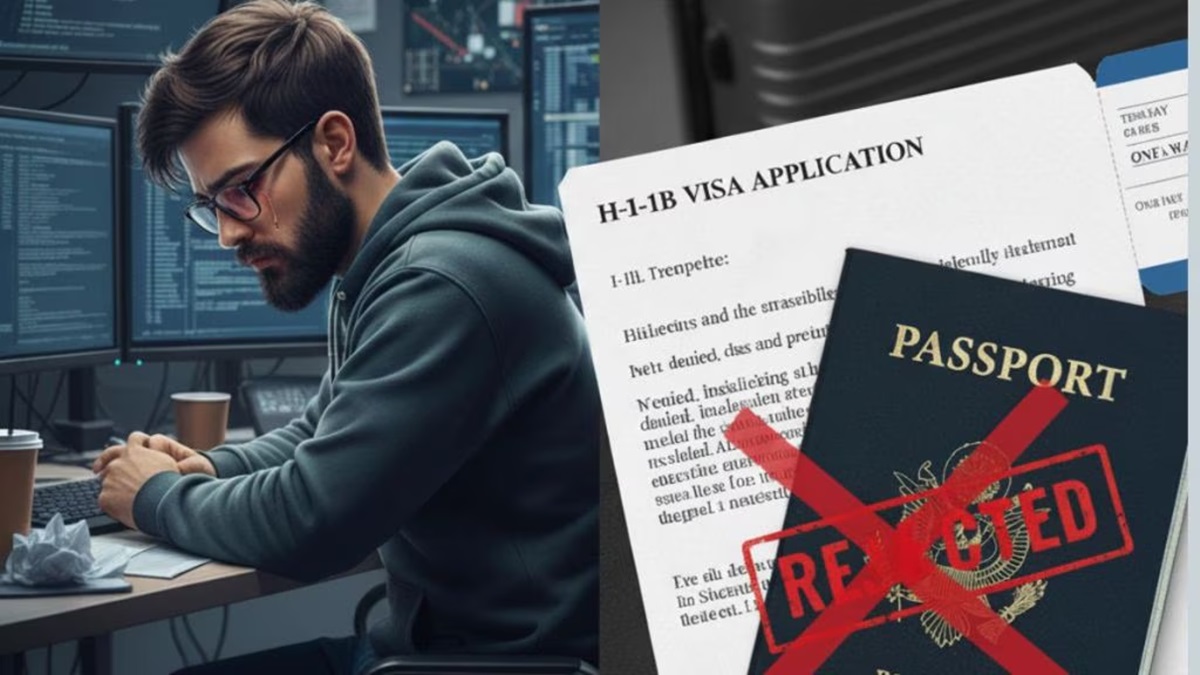















For years, executives argued that creativity needs corridors, culture needs conference rooms, and ambition needs visibility. Yet as return-to-office mandates multiply across corporate America, something unexpected is happening. Workers are not complying out of loyalty. They are dropping out of the calculation or leaving altogether. Remote work, once framed as a temporary concession, has become a line in the sand.A new survey by Founder Reports, based on responses from 1,000 US-based remote and hybrid employees, reveals just how decisively the balance of expectations has shifted. The findings suggest that the RTO debate is no longer about productivity. It is about control, trust, and the meaning of work in a post-pandemic economy.
When flexibility becomes more valuable than the corner office
In traditional corporate hierarchies, career advancement was the ultimate incentive. Promotions justified long hours, relocations, and personal sacrifice. That equation is breaking down.According to Founder Reports, 82 percent of remote and hybrid workers now place flexibility above career advancement. Among fully remote employees, the figure climbs to 89 percent.Women, in particular, are drawing a hard boundary: 86 percent rank flexibility higher than promotions, compared with 77 percent of men.Workers are no longer willing to trade autonomy for titles that demand their time, health, and personal lives in return.
Trusted, but never quite off the hook
On paper, remote work appears to be built on trust. Nine out of ten respondents told Founder Reports they feel trusted by their managers. Surveillance software has not become universal. Productivity has not collapsed.And yet, nearly half, 44 per cent, say they feel constant pressure to prove their value because they are not physically present. The laptop may be portable, but scrutiny has followed employees home.This is the quiet tension of remote work: Trust is granted, but reassurance is still demanded.
The communication gap no one is owning
If remote work has exposed one institutional weakness, it is management itself. Eighty-five per cent of workers say clear communication from managers is essential. Barely half say they receive it. Feedback is even scarcer. Only 40 percent feel their managers offer clear, constructive direction on performance. In offices, ambiguity could be patched over by proximity. In distributed teams, it becomes corrosive.
The office, rejected in plain numbers
The survey delivers an unambiguous verdict on workplace preferences. Only 1.8 percent of respondents said they would choose to work fully from the office. Sixty percent prefer fully remote roles. Thirty-eight percent favour hybrid setups.Across generations, the pattern holds. Gen X, Millennials, and Baby Boomers all lean decisively towards remote work. Gen Z stands slightly apart, showing a mild preference for hybrid roles, perhaps reflecting a desire for mentorship and visibility early in their careers. Even so, enthusiasm for five days in the office is virtually non-existent.
How much is flexibility worth? Quite a lot, it turns out
Remote work has acquired a measurable price tag. Sixty per cent of workers told Founder Reports they would accept lower pay to retain remote arrangements. Forty-two percent would absorb a pay cut of at least 10 percent. Fourteen percent would surrender 20 percent or more.Few benefits inspire that level of financial sacrifice. The message is stark: Flexibility is no longer a perk, it is compensation.
RTO mandates and the risk employers are taking
For companies enforcing a full return to office, the risks are substantial. Only 26 percent of respondents said they would comply without resistance. Half said they would return but immediately begin searching for another job. Fourteen percent said they would quit outright. In effect, nearly two-thirds would either leave or prepare to leave.Among workers who prefer fully remote roles, the backlash is even sharper. Seventy-six per cent would resign or job-hunt if remote work were withdrawn.
Women, visibility, and the unequal cost of commuting back
The survey reveals a gendered edge to the debate. Women are more likely to resist office mandates and more likely to prioritise flexibility. Only 21 percent said they would simply return to the office if required, compared to 32 percent of men.Concerns about bias persist. Twenty-eight percent of respondents believe in-office employees receive preferential treatment for promotions and recognition. That perception is strongest among hybrid workers and employees under 30, those most vulnerable to being overlooked.Visibility, it seems, still shapes opportunity, even in an era that claims to be post-location.
Freedom comes with friction
Remote work is not frictionless. Isolation and blurred boundaries remain common complaints. Nearly one in three workers say they feel disconnected from colleagues or struggle to separate work from personal life. Distractions, unclear direction, and meeting overload add to the strain.And yet, a quarter of respondents reported no significant challenges at all. For them, remote work has delivered exactly what it promised.
What workers are actually asking for
Remote workers want clear communication, meaningful feedback, responsive leadership, and freedom from micromanagement. They want managers who understand that autonomy does not mean absence. The problem is not resistance to work. It is resistance to outdated control.
The future of work is being decided now
Remote work has changed how employees define loyalty, success, and fairness. Attempts to reverse that shift through mandates risk accelerating attrition rather than rebuilding culture.The workforce has already voted, with its preferences, its paychecks, and its exit plans. The question is whether employers are listening or whether they will insist on offices that are full again, even as their talent quietly empties out.