


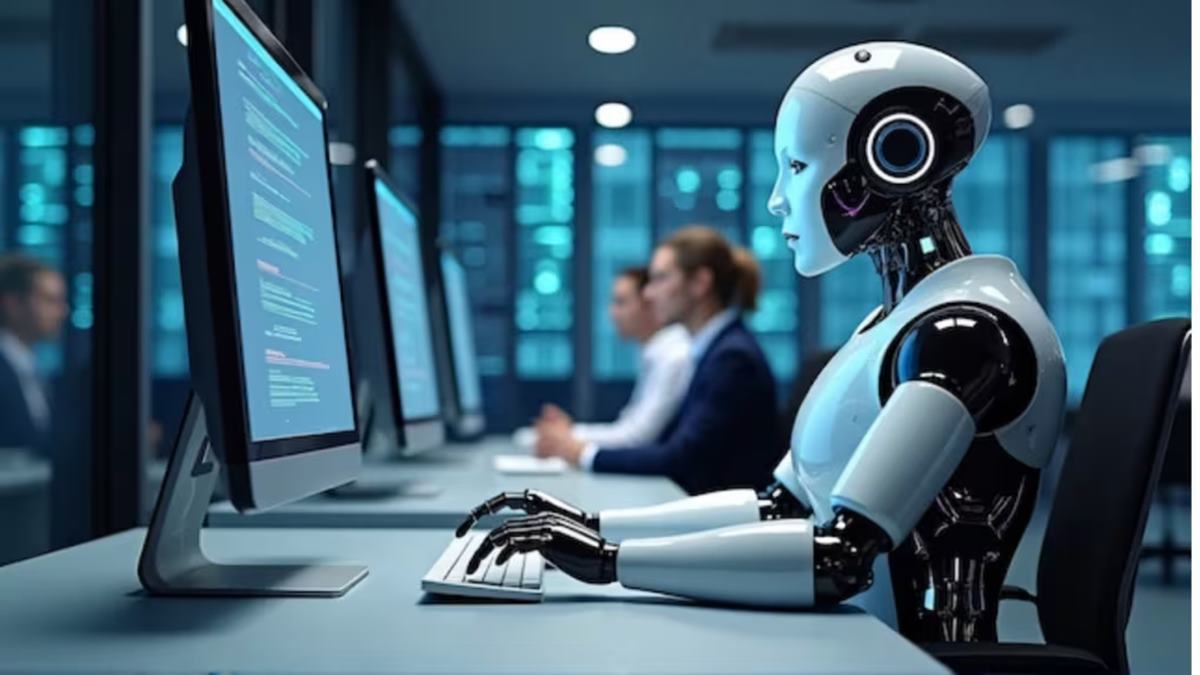

















WiseTech Global will cut about 2,000 jobs over the next two years as the Australian logistics software company pivots aggressively towards artificial intelligence, reshaping nearly a third of its global workforce.
The redundancies will affect roughly 29 per cent of staff across 40 countries, with some teams expected to be reduced by as much as half. WiseTech employed more than 3,600 people worldwide as of 30 June 2025.
Product and development roles, alongside customer service functions, will be among the first impacted as AI is deployed across the company’s software platforms and internal operations.
Chief executive Zubin Appoo described the shift as the most significant transformation in decades. “Software development has experienced its most significant shift in decades,” he said, adding: “The era of manually writing code as the core act of engineering is over.”
Appoo said AI would amplify the company’s logistics expertise, proprietary datasets and network advantages, enabling faster product development and improved customer outcomes.
One of the hardest-hit divisions is expected to be E2open, the US-based cloud computing business WiseTech recently acquired. That unit’s workforce could be cut by up to 50 per cent as integration and automation efforts accelerate.
The restructuring comes as WiseTech reported mixed financial results. Net profit fell 36 per cent to US$68.1 million in the six months to 31 December, largely due to integration costs related to E2open. Revenue, however, surged 76 per cent to US$672 million, while underlying profit rose 2 per cent to US$114.5 million.
The company announced it would pay an interim fully franked dividend of 6.8 cents per share on 10 April.
An employee told news.com.au that staff were largely unaware of the scale of the restructure ahead of internal briefings. “We don’t know anything, we’ll find out later today,” the employee said prior to a scheduled meeting.
Industry analysts say the move reflects a broader structural shift in global technology and services firms as AI tools automate coding, workflow management and customer support. Richard Valente, Australian vice-president of customer experience strategy at TP, told news.com.au the changes represented a “structural reset of the workforce” rather than a cyclical cost-cutting exercise.
“The era of large, transaction-processing teams is ending,” Valente said, noting that future roles would increasingly focus on overseeing AI systems, analysing complex data and intervening when automation fails.
WiseTech’s overhaul underscores the growing tension between productivity gains from AI and the social cost of workforce displacement. As automation accelerates across the technology sector, companies face mounting pressure to balance efficiency with retraining and redeployment.
For WiseTech, the coming two years will test whether its AI-led transformation delivers sustainable growth while maintaining customer trust and operational resilience in a rapidly evolving logistics market.