












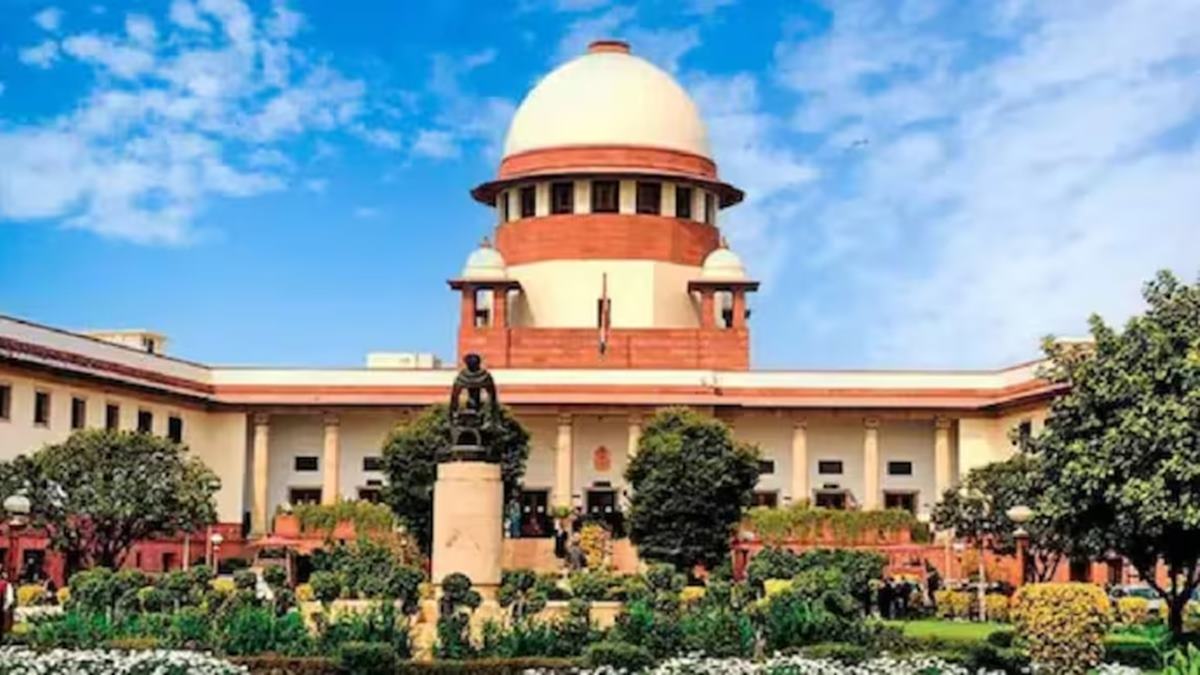



India’s Supreme Court declined to create judicial precedent for mandated paid menstrual leave in March 2026, turning it over to legislators and employers instead of judges (LiveLaw, 2026; The Times of India, 2026). That judicial restraint should not be interpreted as acquiescence for inaction from organisations. Menstrual health is predictable and cyclical within the work environment and will need an operational solution; one that ensures dignity and autonomy and stops knee-jerk reactions from further institutionalizing bias during hiring, performance reviews, or promotions.
A real workplace issue, not a symbolic one
Menstrual health can feel private, embarrassing or too taboo to formalize, but is not incidental to many employees. Pain, fatigue, nausea, brain fog, sitting or standing for long periods can impact attendance, energy, and productivity every single month. Employers who fail to provide sufficient washrooms, sanitary product disposal options, privacy, places to rest, or create a culture where people can ask for what they need without shame, place the burden of adaptation on employees.
Menstrual health remains a taboo subject for many organisations. It is seen as something too personal to talk about, too embarrassing to bring up, and too uncomfortable to put into policy. When these experiences recur, they stop being purely private experiences and become workplace matters; impacting wellness, attendance, and an employee’s capacity to stay at work through uncomfortable times (MOSPI, 2026).
These recurring frictions may matter more in India where female labour force participation is already low: according to the Periodic Labour Force Survey released in January 2026, the national female LFPR stood at 35.1 percent but with a significant rural-urban gap (MOSPI, 2026). Employers thus struggle with recruitment challenges and the need to establish conditions where women will stay and advance in their jobs.Why the debate gets polarized
Menstrual leave becomes a contentious issue because both advocates and opponents are responding to valid issues. Supporters believe that menstrual leave normalises menstrual healthcare, addresses decades of workplace oversight, and validates dignity, wellbeing, and real equity. Critics have contended that menstrual leave being a fixed allowance that is recurring, consecutive, and sex-specific may open up possibilities for employers to view it as a taxable perk. Thus, it could indirectly influence employers’ decisions around hiring, promotions, and assignments under the presumption of expected reliability and length of service. This issue was expressly raised by the Supreme Court when they declined to implement a countrywide mandate. (LiveLaw, 2026; The Times of India, 2026b)
To frame the debate as one of compassion against pragmatism is counterproductive. Instead, we should be asking how recognition can be structured to be both equitable and practical, while avoiding unintended consequences for employees. This approach requires policymakers to move past slogans and address the minutiae of how policy can meet individual needs whilst maintaining fairness.Why this is not legally straightforward, but normatively compelling
India does not yet have a labour code that establishes menstruation specific leave. The Code on Social Security, 2020 deals with maternity entitlements and benefits related to maternity. Occupational Safety, Health, and Working Conditions Code, 2020 deals with the health, welfare, and sanitary facilities of individuals at the workplace. However, neither mentions menstrual leave as a right to be afforded to employees (Code on Social Security, 2020; Occupational Safety, Health, and Working Conditions Code, 2020). The lack of express direction in the legislation is important because employers cannot simply rely on a statutory model. Rather, they must tailor a response that works for their organisation.
Normatively speaking however, nothing about the case for accommodation is novel. Labour law has long acknowledged that workplaces will occasionally have to grapple with employees’ biological differences that are not shared by all workers. Menstrual health unlike maternity is not identical in duration or recurrence. But it raises the same basic question: do seemingly neutral workplace rules inadvertently harm workers who need accommodations to succeed at their jobs? (EAC PM, 2024; ILO & IHD, 2024) If not legally required to, employers have both a moral and logistical reason to track predictable health-based limits on daily work.
The middle path: beyond a narrow leave debate
Options can include a small cushion of non-gendered sick leave, ability to telework or flexible schedule when possible, allowing for easy pass permission to take breaks, clean bathrooms, and access to a private space to recuperate, private self-reporting policy, and a non-retaliation policy specific to stigmatization. Using language that does not gender the employee’s sick bank leave decreases preconceived notions. Support from management and reducing bureaucracy can help, as asking for excessive documentation or proof of illness discourages use and invades privacy. Culture change around these policies can help ensure they are used to keep employees safe.
Operationally then, this middle way addresses three priorities. It responds to real need, but avoids essentialising women. It lowers the chances women will be seen as a fixed cost bucket in employer imaginations. And it recognises variation across a workforce: some employees will need leave, some flexibility only and some neither.
What justice should mean in this debate
Rights only matter if they can be accessed without fear of retribution. An equitable approach to menstrual hygiene management should be driven by principles of dignity; non-discrimination; proportionality; non arbitrariness; voice; and security from retaliation. In practice this means government policy should be employee-designed, minimize requirements to prove menstruation, and ensure legitimate use will never lead to discreet punishments during performance reviews, project placements, or promotions.
Training managers on these policies, allowing anonymous pulse checks on policy uptake, and setting up transparent governance around how the policy will work are all critical next steps to accompany any written policy. There’s little justice in a policy if it cannot be utilized by employees confidentially and without risk to their career.
What is in it for employers and employees
Employees enjoy dignity, flexibility, and relief knowing they will not be punished for their bodies being “different” from the ideal employee. Employers enjoy retention, reduced presenteeism, increased psychological safety, and an inclusion story they can tout. Policy done right gives DEI bragging rights, enhances employer brand, and frees HR from messy case-by-case judgements.
Managers have a consistent framework to point to so they do not have to make uncomfortable determinations on a case-by-case basis and can feel confident their authority will be upheld. Teams excel when there are transparent reasons for accommodations that are rooted in equity rather than arbitrarily. Long story short, strong policy protects both people and profits.
Can this help women’s labour force participation?
Menstrual health accommodations will not single-handedly address India’s female labour force participation challenge. After all, that metric is rooted in much larger systematic concerns like unpaid care work burdens, transportation and safety issues, lack of accessible work opportunities nearby, and overall job quality (EAC PM, 2024; ILO & IHD, 2024; PIB, 2024). But smoothing out unnecessary pain points at work still matters. At the very least, it can encourage women to stay in the workforce longer instead of exiting for reasons that can be prevented.
This is why such an accommodation framework would be helpful; women are currently leaving the workforce quietly. At best, businesses stand to gain both morally and pragmatically from providing these accommodations: fewer needless drop-offs and more loyal staff members with years of experience.
What business leaders should do now
Employers do not need to wait for parliament before acting, they just need to start asking the right question. Instead of “should we offer menstrual leave?” they should be asking “what can we do to make managing menstruation at work as easy as possible, free from stigma, penalty or policy chaos?” The answer is fivefold: clear policies; basic facilities; flexible options; manager capability; and anti-stigma safeguards.
Start with a pilot: bring together your HR, legal, operations and employee representative teams; create a one pager on policy and manager guidance; check facilities meet some basic criteria around hygiene access and safety; deliver two hours of manager training on how to maintain confidentiality and respond in a non-judgemental way; and measure a handful of KPIs ranging from use of flexible leave, retention of women in early career stages, to an anonymous stigma survey. Review after three months, refine, and scale. Small employers can start with manager guidance and a flexible leave pool; medium and large employers should add facilities upgrades and formal governance.
The question employers can no longer avoid
The Supreme Court may have left this legal question to the policymakers, but employers cannot pass the buck. Viewing menstrual health as purely a private inconvenience is a test of how far your organisation wants to go with inclusion. The smart way forward is simple: design workplaces for humans who menstruate. Do not shame them for it or penalise them either. Businesses that handle menstruation policy correctly will not only seem progressive; they will have an edge in talent retention, be more authentic about inclusion, and be future-ready. It is no longer a question of if menstrual health deserves a place in HR policy; it is whether HR is smart enough to address it.